procyanidin
Molecular structure
Foods containing this compound



Flax (also known as common flax or linseed) is a member of the genus Linum in the family Linaceae. It is a food and fibre crop that is grown in cooler regions of the world. Flax fibres are taken from the stem of the plant and are two to three times as strong as those of cotton. As well, flax fibres are naturally smooth and straight. Europe and North America depended on flax for cloth until the nineteenth century, when cotton overtook flax as the most common plant used for making linen paper. Flax is grown on the Canadian Praires for linseed oil, which is used as a drying oil in paints and varnish and in products such as linoleum and printing inks. It is native to the region extending from the eastern Mediterranean to India and was probably first domesticated in the Fertile Crescent. Flax was extensively cultivated in ancient Ethiopia and ancient Egypt. A discovery reported in 2009 of spun, dyed, and knotted wild flax fibers in a prehistoric cave in the Republic of Georgia shows that the plant was already in use by humans at the surprisingly early date of 30,000 B.C. New Zealand flax is not related to flax but was named after it, as both plants are used to produce fibers.
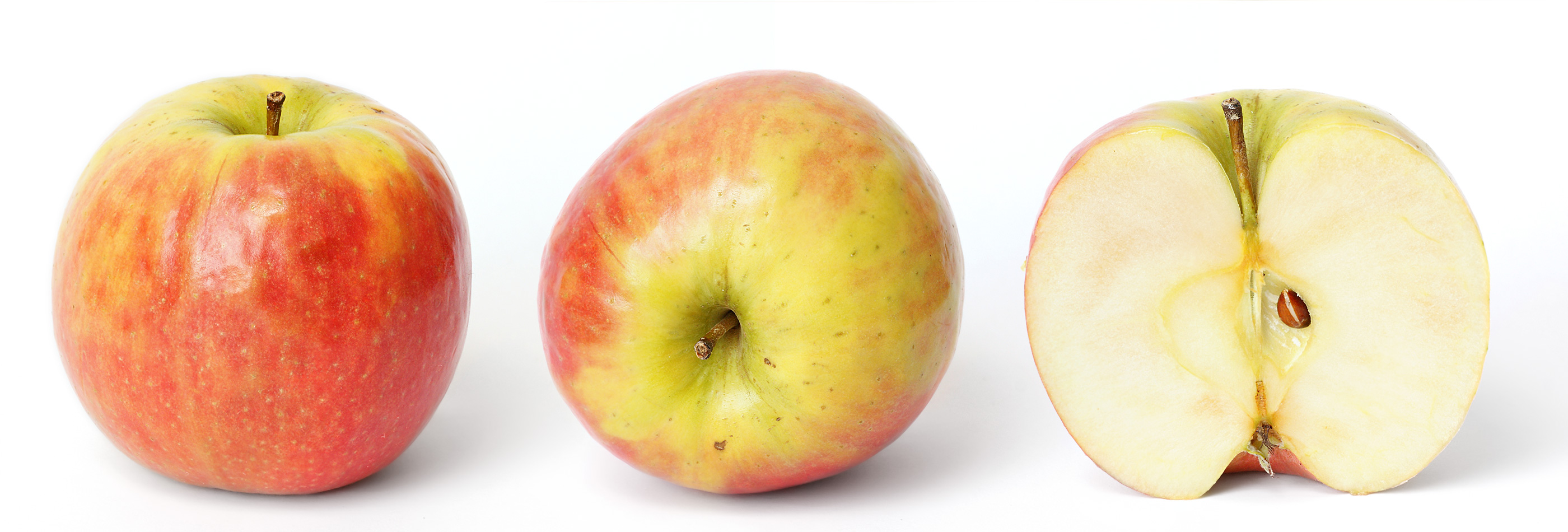
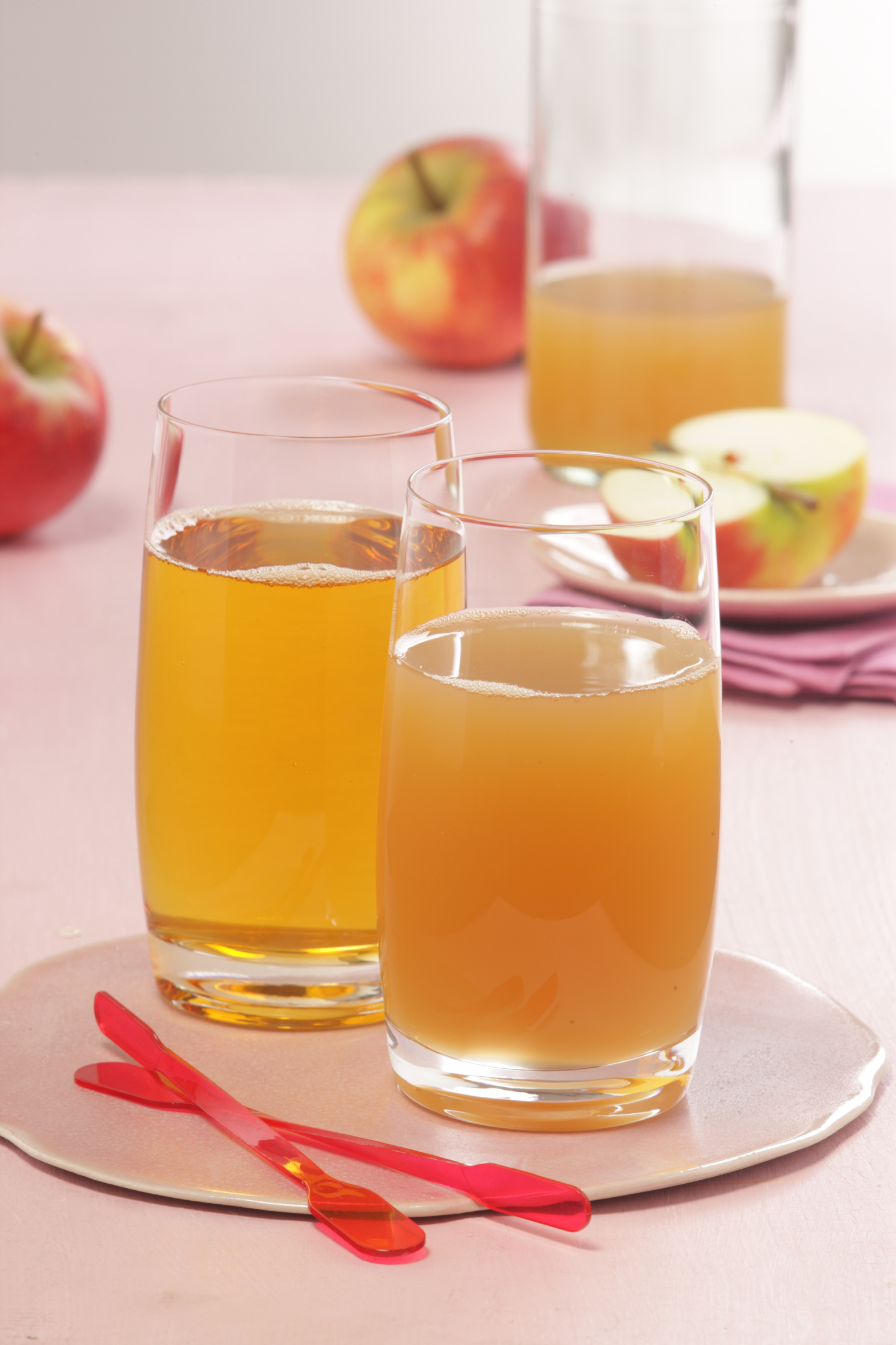
The apple is the pomaceous fruit of the apple tree, species Malus domestica in the rose family. It is one of the most widely cultivated tree fruits, and the most widely known of the many members of genus Malus that are used by humans. Apples grow on small, deciduous trees. The tree originated in Central Asia, where its wild ancestor, Malus sieversii, is still found today. Apples have been grown for thousands of years in Asia and Europe, and were brought to North America by European colonists. Apples have been present in the mythology and religions of many cultures, including Norse, Greek and Christian traditions. In 2010, the fruit's genome was decoded, leading to new understandings of disease control and selective breeding in apple production. There are more than 7,500 known cultivars of apples, resulting in a range of desired characteristics. Different cultivars are bred for various tastes and uses, including in cooking, fresh eating and cider production. Domestic apples are generally propagated by grafting, although wild apples grow readily from seed. Trees are prone to a number of fungal, bacterial and pest problems, which can be controlled by a number of organic and non-organic means. About 69 million tonnes of apples were grown worldwide in 2010, and China produced almost half of this total. The United States is the second-leading producer, with more than 6% of world production. Turkey is third, followed by Italy, India and Poland. Apples are often eaten raw, but can also be found in many prepared foods (especially desserts) and drinks. Many beneficial health effects have been found from eating apples; however, two forms of allergies are seen to various proteins found in the fruit.

The peanut, also known as the groundnut and the goober and taxonomically classified as <i>Arachis hypogaea</i>, is a legume crop grown mainly for its edible seeds. It is widely grown in the tropics and subtropics, being important to both small and large commercial producers. It is classified as both a grain legume and, because of its high oil content, an oil crop. World annual production of shelled peanuts was 42 million tonnes in 2014. Atypically among crop plants, peanut pods develop underground rather than aboveground. It is this characteristic that the botanist Linnaeus used to assign the specific name <i>hypogaea</i>, which means "under the earth." (Wikipedia)


Soursop is the fruit of Annona muricata, a broadleaf, flowering, evergreen tree native to Mexico, Cuba, Central America, the Caribbean and northern South America: Colombia, Brazil, Peru, Ecuador and Venezuela. Soursop is also produced in Somalia. Today, it is also grown in some areas of Southeast Asia, as well as in some Pacific islands. It was most likely brought from Mexico to the Philippines by way of the Manila-Acapulco Galleon trade. It is in the same genus as the chirimoya and the same family as the pawpaw. Soursop, raw, edible parts Nutritional value per 100 g Energy 276 kJ Carbohydrates 16.84 g - Sugars 13.54 g - Dietary fiber 3.3 g Fat 0.30 g Protein 1.00 g Vitamin A equiv. 0 μg (0%) Thiamine (vit. B1) 0.070 mg (6%) Riboflavin (vit. B2) 0.050 mg (4%) Niacin (vit. B3) 0.900 mg (6%) Vitamin B6 0.059 mg (5%) Folate (vit. B9) 14 μg (4%) Vitamin C 20.6 mg (25%) Calcium 14 mg (1%) Iron 0.6 mg (5%) Magnesium 21 mg (6%) Phosphorus 27 mg (4%) Potassium 278 mg (6%) Zinc 0.1 mg (1%) Percentages are relative toUS recommendations for adults. The soursop is adapted to areas of high humidity and relatively warm winters; temperatures below 5 °C will cause damage to leaves and small branches, and temperatures below 3 °C can be fatal. The fruit becomes dry and is no longer good for concentrate. Other common names include: Evo, Aluguntugui guanábana, graviola, anona, corossol, sorsaka, adunu, Brazilian pawpaw, guyabano, guanavana, toge-banreisi, durian benggala, nangka blanda, sirsak, zuurzak and nangka londa. In Malayalam, it is called mullaatha, literally thorny custard apple. The other lesser-known Indian names are shul-ram-fal and Lakshmana Phala. and in Harar (Ethiopia) in Harari language known for centuries as Amba Shoukh (Thorny Mango or Thorny Fruit). The flavour has been described as a combination of strawberry and pineapple, with sour citrus flavour notes contrasting with an underlying creamy flavour reminiscent of coconut or banana.

The garden strawberry (or simply strawberry; Fragaria × ananassa) is a widely grown hybrid species of the genus Fragaria (collectively known as the strawberries). It is cultivated worldwide for its fruit. The fruit (which is not a botanical berry, but an aggregate accessory fruit) is widely appreciated for its characteristic aroma, bright red color, juicy texture, and sweetness. It is consumed in large quantities, either fresh or in such prepared foods as preserves, fruit juice, pies, ice creams, milkshakes, and chocolates. Artificial strawberry aroma is also widely used in many industrial food products. As strawberry flavor and fragrance are popular characteristics for consumers,they are used widely in a variety of manufacturing, including foods, beverages, confections, perfumes and cosmetics. Sweetness, fragrance and complex flavor are favorable attributes. In plant breeding and farming, emphasis is placed on sugars, acids, and volatile compounds, which improve the taste and fragrance of a ripe strawberry. Esters, terpenes, and furans are chemical compounds having the strongest relationships to strawberry flavor and fragrance, with a total of 31 volatile compounds significantly correlated to favorable flavor and fragrance [Wikipedia]

Red seedless grapes are small to medium in size and are round to slightly oblong in shape, growing in medium to large clusters. The hue of a Red seedless grape can vary widely depending on the variety and local growing conditions, but it usually ranges from a light red to a deep burgundy. The thin skin may also contain a dusty film, also known as a bloom, and this layer forms a natural waterproof barrier which prevents the delicate skin from cracking. The translucent flesh is juicy and is considered seedless, though a few small undetectable and undeveloped seeds may be present. Red seedless grapes are firm, crisp, and sweet with a mild, neutral flavor.


hard candy

edible seed of the almond tree

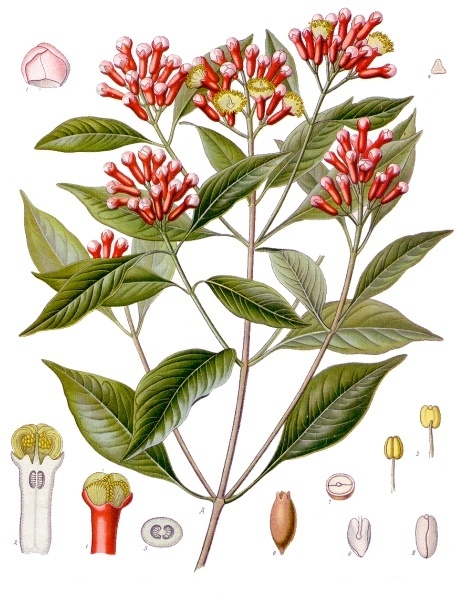
spice made from dried flowers of clove (Syzygium aromaticum)
good, condiment, flavor, food ingredient or product solid derived from Theobroma cacao; precursor of commercial chocolates

fruit

edible berry of a flowering plant in the family Vitaceae

female flowers of Humulus lupulus
wine made from dark-coloured grape varieties with colour from the skin
hard candy

fruit of various species of Vaccinium

fruit

plum cultivar

red wine grape
Fruit of the areca palm chewed as a stimulant
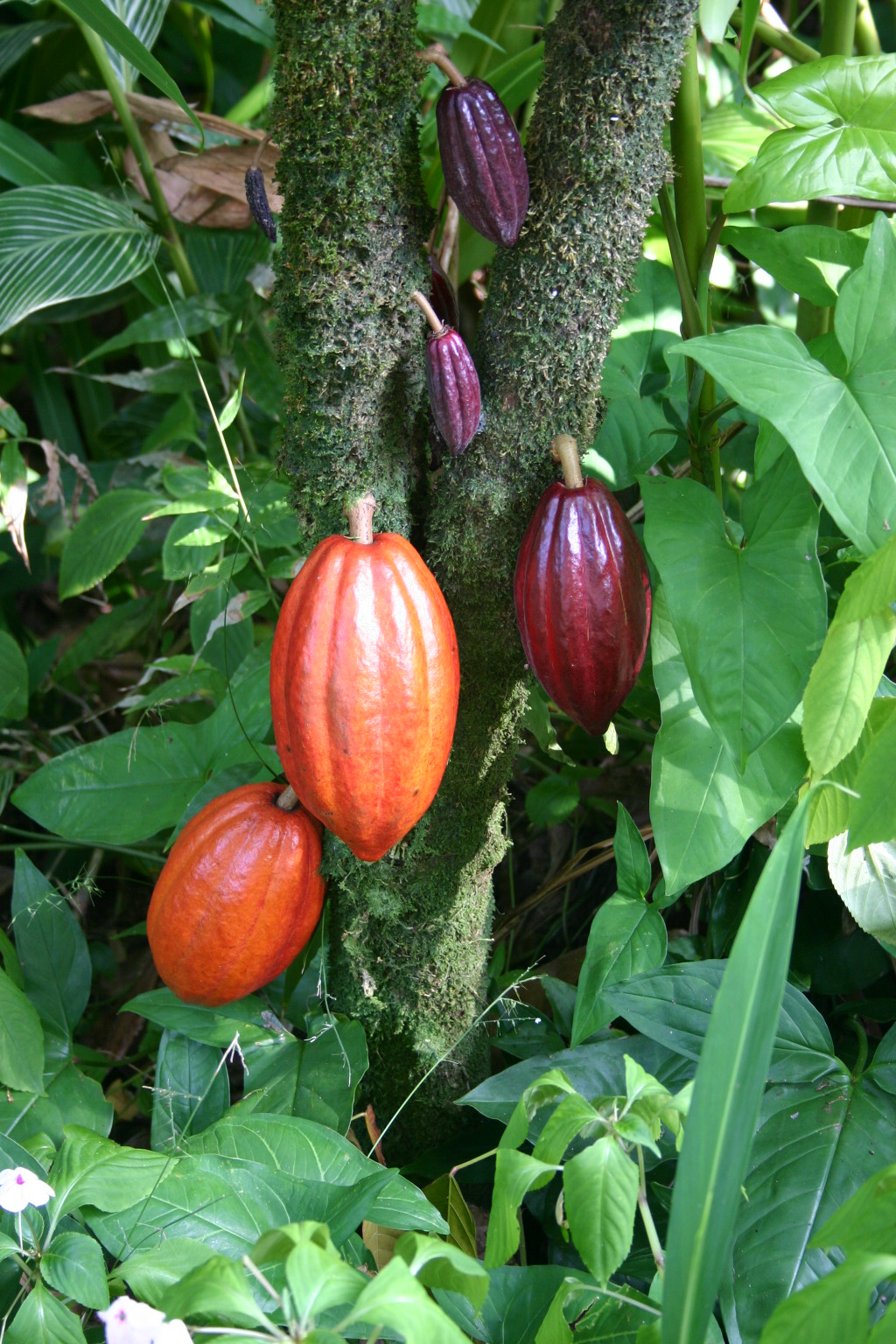
Fatty seed of Theobroma cacao

Species of tree
Spice made from flower buds
Verified Data
Compound identity and culinary context are continuously cross-referenced across open scientific databases and maintained by Foodgeist's enrichment pipeline.
The Geist can be wrong. Some flavor, taste, and pairing values are model-predicted, not lab-measured.