Molecular structure
4-hydroxybenzaldehyde
Cooking relevance
4-hydroxybenzaldehyde (PubChem CID 126) is an aromatic aldehyde with a phenolic structure that contributes subtle floral and slightly sweet notes to foods. Its presence is typically minor in complex flavor matrices, where it acts as a supporting volatile rather than a dominant character. The compound's hydroxyl group imparts mild polar character, influencing how it interacts with other flavor compounds and food matrices during cooking and storage.
- aroma
- floral · subtle sweetness · phenolic undertone
- culinary role
- minor aromatic volatile in complex flavor profiles
- mass spectra
- 126 experimental spectra
Mass spectrum
A real measured fragmentation pattern · 1 of 126 experimental spectra
Sensory signature
How this molecule tastes and smells · gold is measured, dashed is a model estimate
Bioactivity signal
Structure-activity model estimate · not measured
Biochemical reactions
Metabolic reactions from curated biochemical databases · peer-reviewed
4-methylphenol + 4 oxidized [azurin] + H2O = 4 reduced [azurin] + 4-hydroxybenzaldehyde + 4 H(+)
(S)-4-hydroxymandelate + O2 + H(+) = 4-hydroxybenzaldehyde + H2O2 + CO2
(S)-4-hydroxymandelonitrile = 4-hydroxybenzaldehyde + hydrogen cyanide
4-hydroxybenzaldehyde + NAD(+) + H2O = 4-hydroxybenzoate + NADH + 2 H(+)
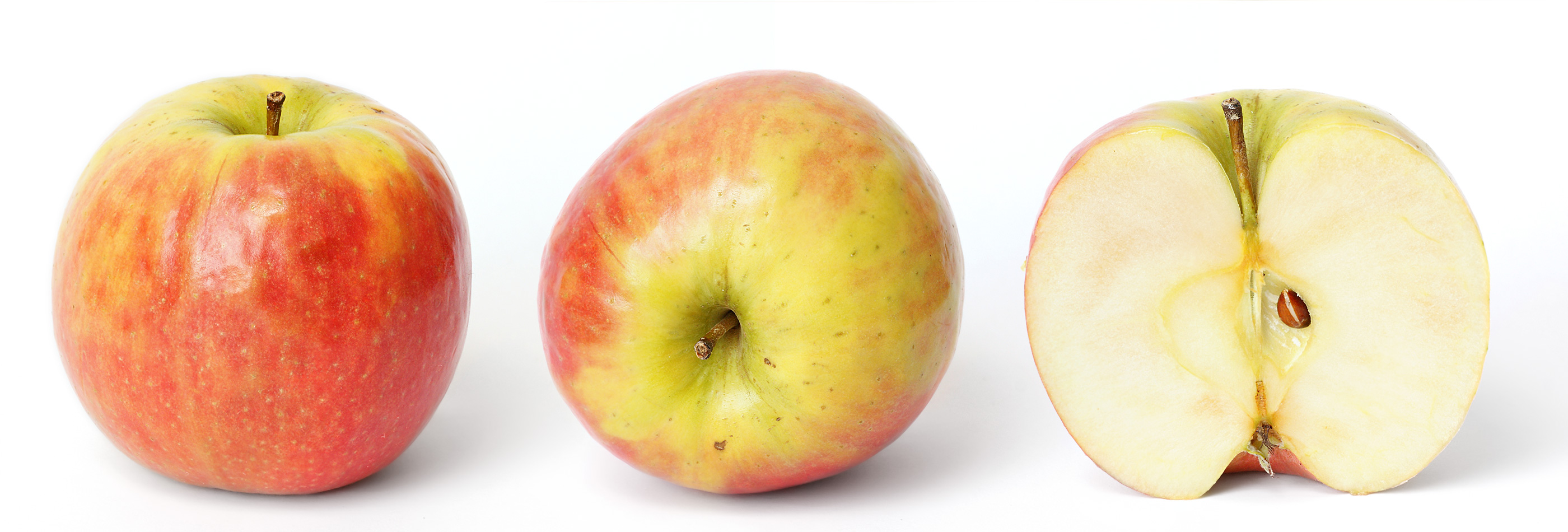
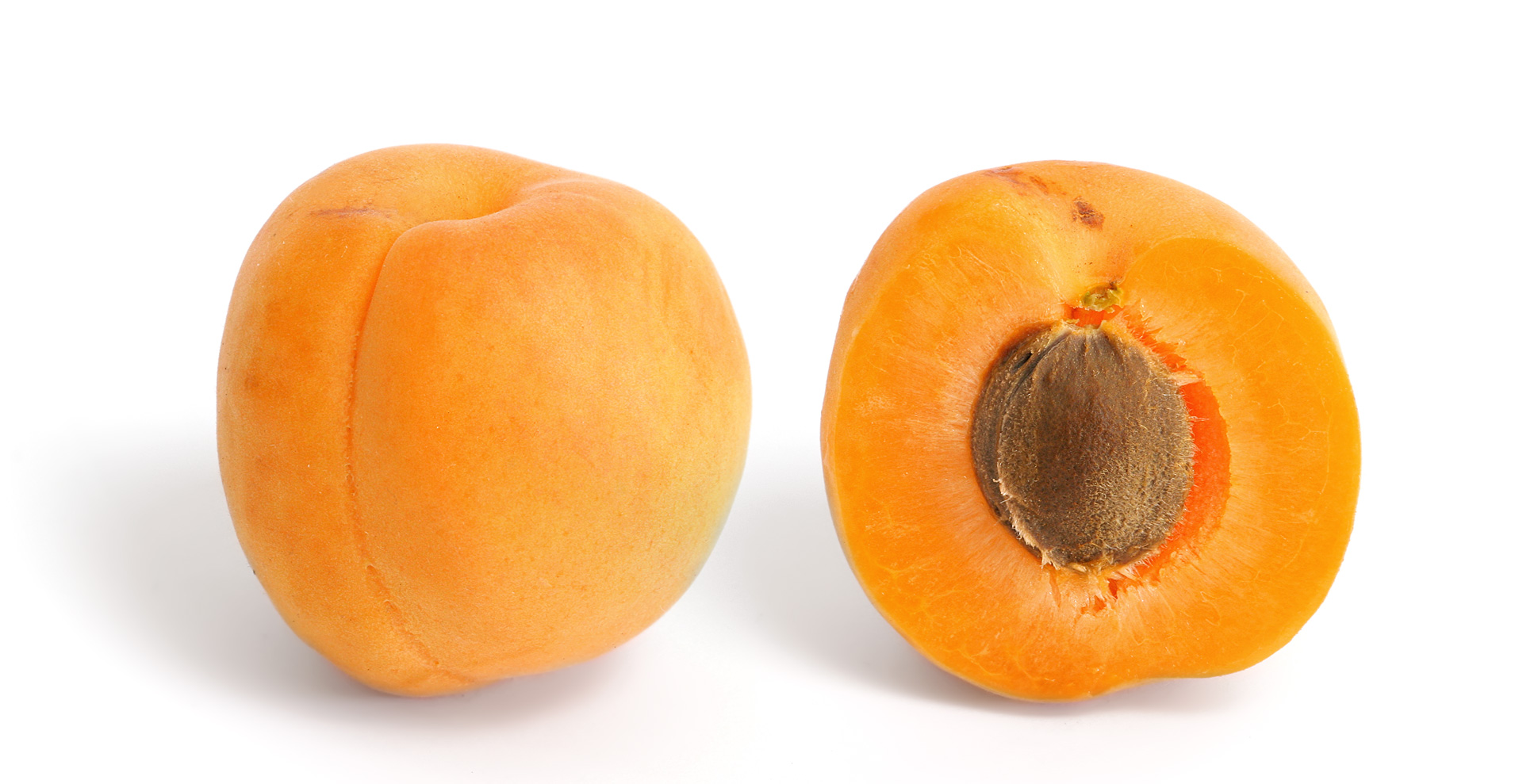
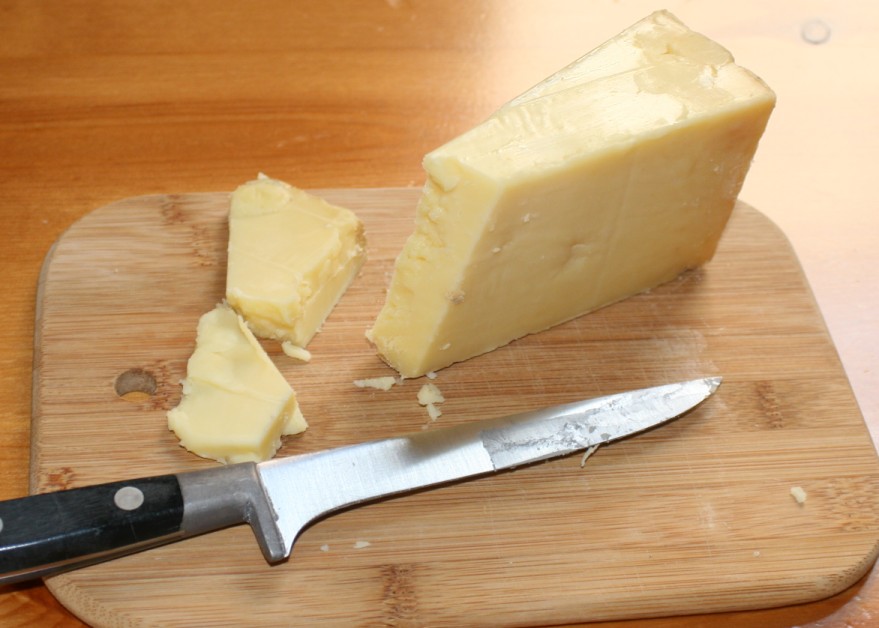
Foods containing this compound


Verified Data
Compound identity and culinary context are continuously cross-referenced across open scientific databases and maintained by Foodgeist's enrichment pipeline.
The Geist can be wrong. Some flavor, taste, and pairing values are model-predicted, not lab-measured.