Molecular structure
2-Vinylphenol
Sensory signature
How this molecule tastes and smells · gold is measured, dashed is a model estimate
Bioactivity signal
Structure-activity model estimate · not measured
Foods containing this compound

Cinnamomum cassia, called Chinese cassia or Chinese cinnamon, is an evergreen tree originating in southern China, and widely cultivated there and elsewhere in southern and eastern Asia (India, Indonesia, Laos, Malaysia, Taiwan, Thailand, and Vietnam). It is one of several species of Cinnamomum that are used primarily for their aromatic bark, which is used as a spice. In the United States of America, Chinese cassia is often sold under the culinary name of "cinnamon". The buds are also used as a spice, especially in India, and were once used by the ancient Romans.
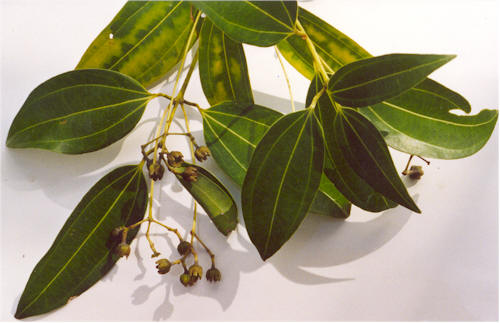
Cinnamomum verum, called "true cinnamon", Ceylon cinnamon or Sri Lanka cinnamon is a small evergreen tree belonging to the family Lauraceae, native to Sri Lanka. Among other species, its inner bark is used to make cinnamon.

spice obtained from the inner bark of several tree species from the genus Cinnamomum
Verified Data
Compound identity and culinary context are continuously cross-referenced across open scientific databases and maintained by Foodgeist's enrichment pipeline.
The Geist can be wrong. Some flavor, taste, and pairing values are model-predicted, not lab-measured.