(24R,25R)-3α,7α,24-trihydroxy-5β-cholestanoyl CoA
Molecular structure
Foods containing this compound

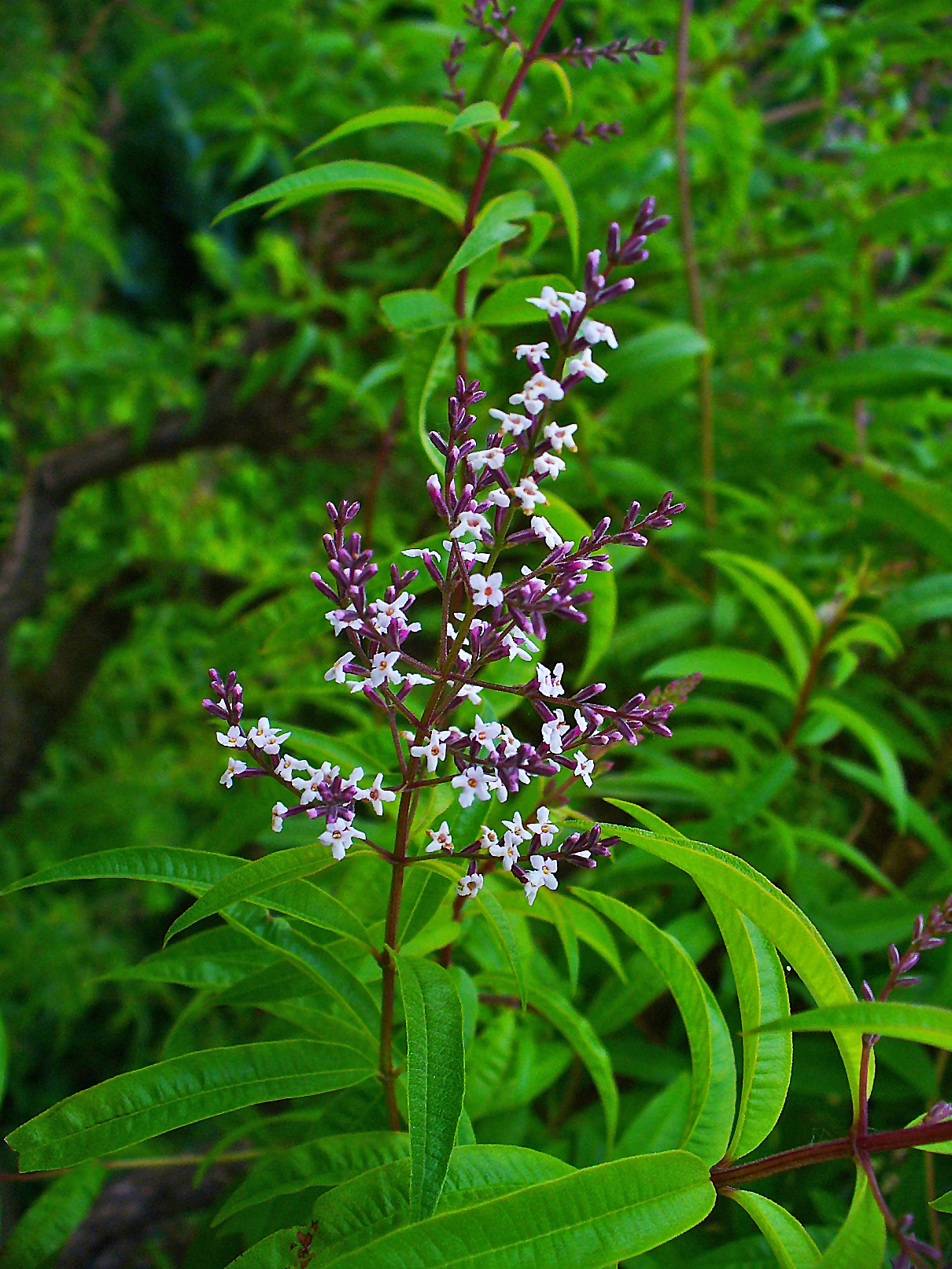
Aloysia citrodora is a species of flowering plant in the verbena family Verbenaceae, native to northwestern Argentina and southern Bolivia. Common names include lemon verbena and lemon beebrush. It was brought to Europe by the Spanish and the Portuguese in the 17th century.

Lippia graveolens, a species of flowering plant in the verbena family, Verbenaceae, is native to the southwestern United States (Texas and southern New Mexico), Mexico, and Central America as far south as Nicaragua. Common names include Mexican oregano, redbrush lippia, orégano Cimmaron, scented lippia, and scented matgrass.
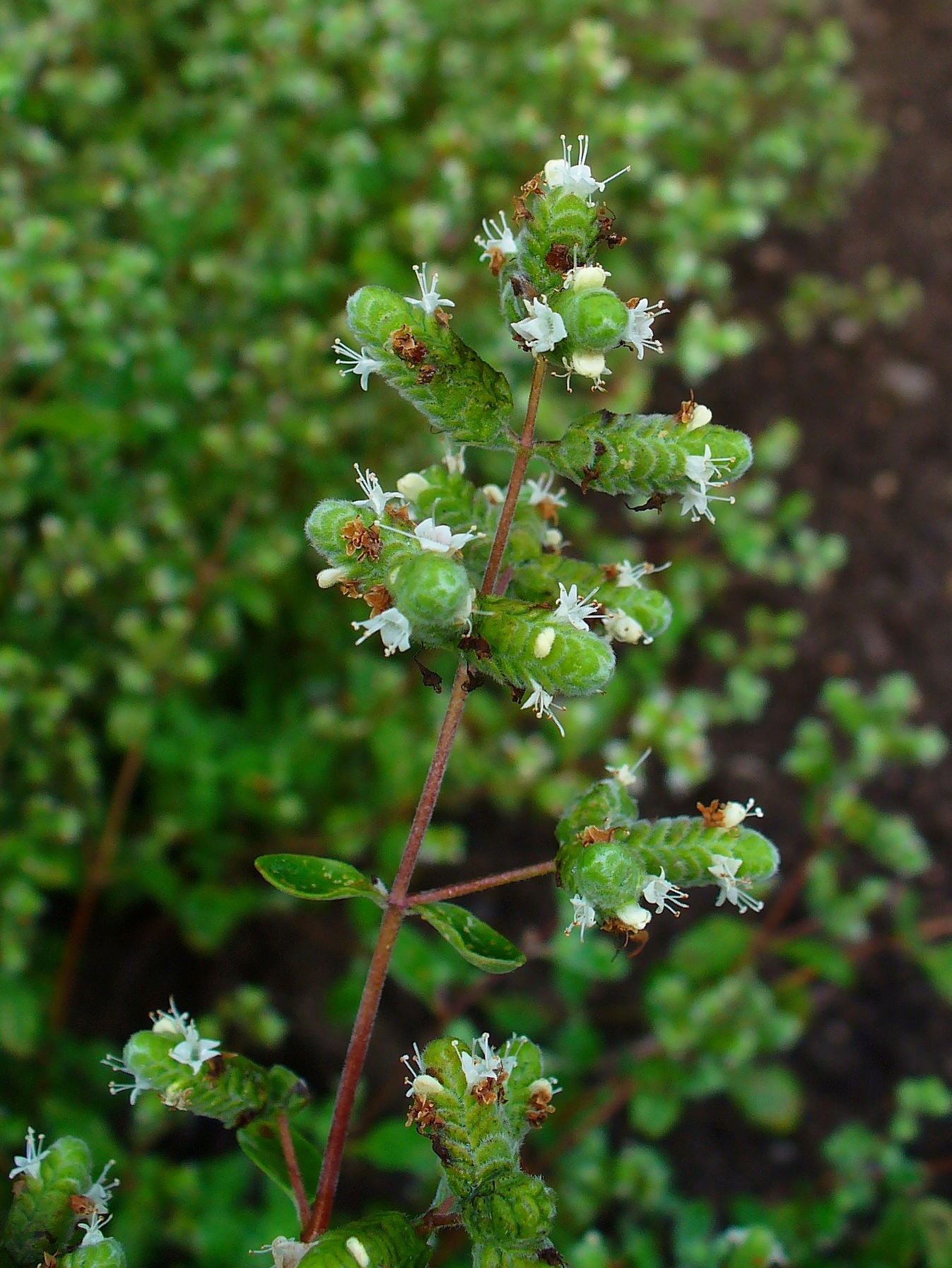
Origanum onites, the Cretan oregano, Turkish oregano, pot marjoram or rίgani in Greek (Ελληνική ρίγανη), is a plant species in the genus Origanum found in Greece and Turkey. It has similar flavors as oregano. Its essential oil can be distinguished from other species such as Greek oregano (Origanum vulgare ssp. hirtum). The plant contains the chemical compounds thymol, carvacrol and cedrol. It has antimicrobial activities. [Wikipedia]

The millets are a group of highly variable small-seeded grasses, widely grown around the world as cereal crops or grains for both human food and fodder. They do not form a taxonomic group, but rather a functional or agronomic one. Millets are important crops in the semi-arid tropics of Asia and Africa, with 97% of millet production in developing countries. The crop is favored due to its productivity and short growing season under dry, high temperature conditions. The most widely grown millet is pearl millet, which is an important crop in India and parts of Africa. Finger millet, proso millet, and foxtail millet are also important crop species. In the developed world, millets are less important. For example, in the United States the only significant crop is proso millet, which is mostly grown for bird seed. While millets are indigenous to many parts of the world, millets most likely had an evolutionary origin in tropical western Africa, as that is where the greatest number of both wild and cultivated forms exist. Millets have been important food staples in human history, particularly in Asia and Africa, and they have been in cultivation in East Asia for the last 10,000 years.

The peach (Prunus persica) is a deciduous tree, native to North-West China, in the region between the Tarim basin and the north slopes of the Kunlun Shan mountains, where it was first domesticated and cultivated. It bears an edible juicy fruit also called a peach. The species name persica refers to its widespread cultivation in Persia, whence it was transplanted to Europe. It belongs to the genus Prunus which includes the cherry and plum, in the family Rosaceae. The peach is classified with the almond in the subgenus Amygdalus, distinguished from the other subgenera by the corrugated seed shell.


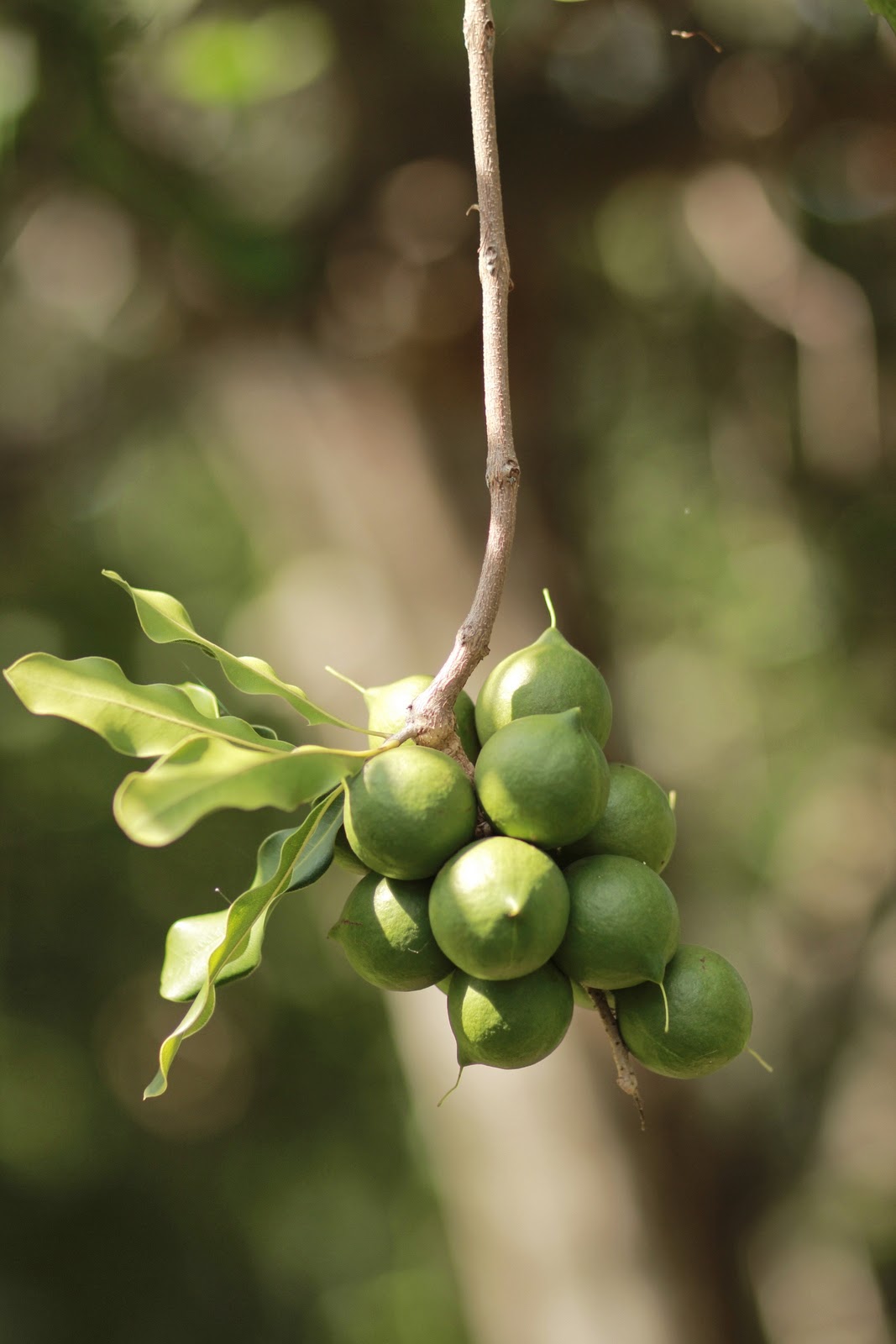

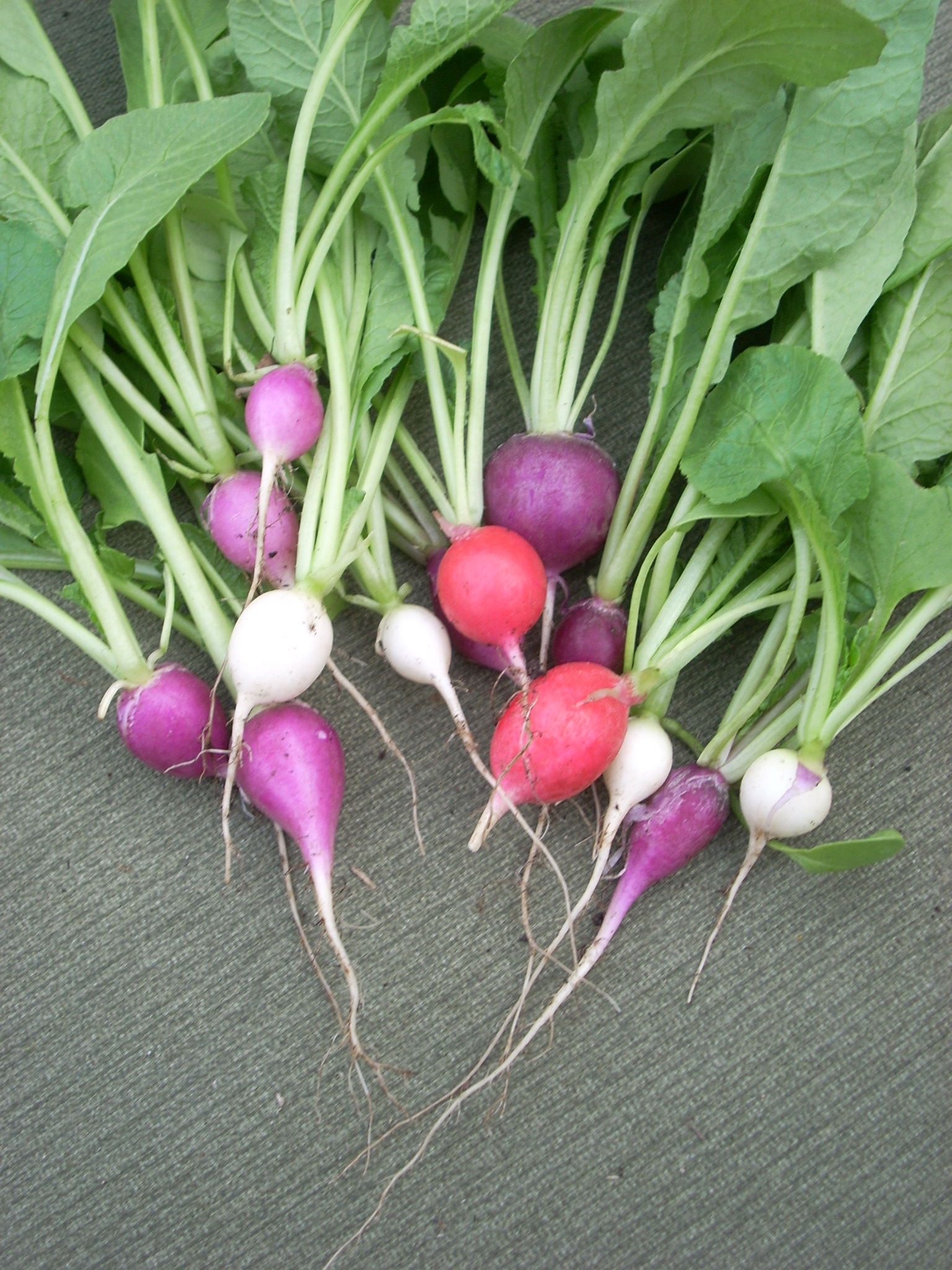


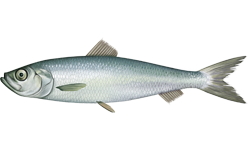
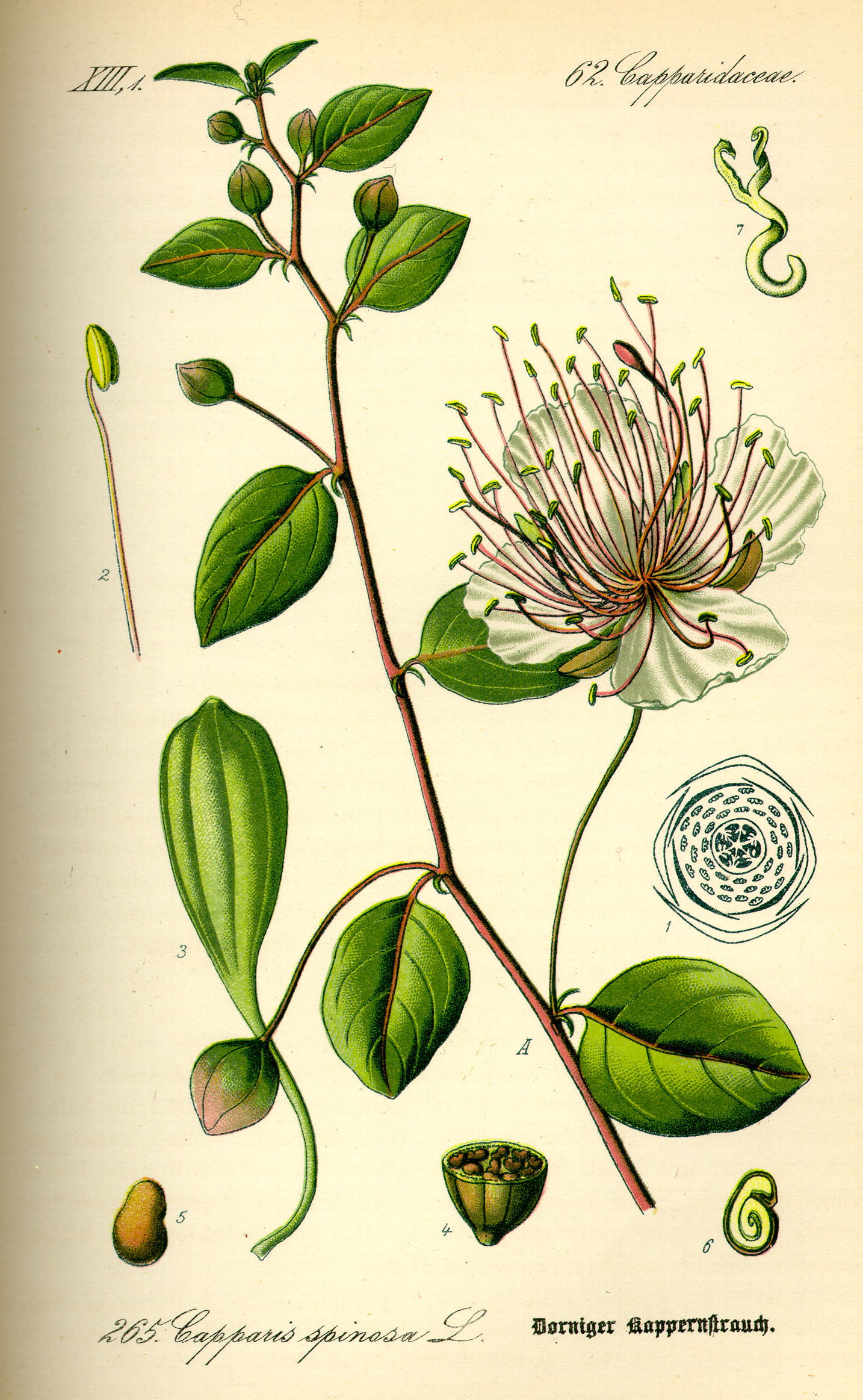
Capparis spinosa, the caper bush, also called Flinders rose, is a perennial winter-deciduous plant that bears rounded, fleshy leaves and large white to pinkish-white flowers. The plant is best known for the edible flower buds (capers), often used as a seasoning, and the fruit (caper berry), both of which are usually consumed pickled. Other species of Capparis are also picked along with C. spinosa for their buds or fruits. Other parts of Capparis plants are used in the manufacture of medicines and cosmetics.
Chenopodium album is a fast-growing weedy annual plant in the genus Chenopodium. Though cultivated in some regions, the plant is elsewhere considered a weed. Common names include lamb's quarters, melde, goosefoot and fat-hen, though the latter two are also applied to other species of the genus Chenopodium, for which reason it is often distinguished as white goosefoot. It is sometimes also called pigweed, although that name is often also used for Amaranthus albus. Chenopodium album is extensively cultivated and consumed in Northern India as a food crop, and in English texts it may be called by its Hindi name bathua or bathuwa.

Nopales (for the pads) are a vegetable made from the young cladode (pad) segments of prickly pear, carefully peeled to remove the spines. These fleshy pads are flat and about hand-sized. They can be purple or green. They are particularly common in their native Mexico, where the plant is eaten commonly and regularly forms part of a variety of Mexican cuisine dishes. Farmed nopales are most often of the species Opuntia ficus-indica, although the pads of almost all Opuntia species are edible. Nopales are generally sold fresh in Mexico. In more recent years bottled, or canned versions are available mostly for export. Less often dried versions are available. Used to prepare nopalitos, they have a light, slightly tart flavor, like green beans, and a crisp, mucilaginous texture. In most recipes the mucilaginous liquid they contain is included in the cooking. They are at their most tender and juicy in the spring. Nopales are most commonly used in Mexican cuisine in dishes such as huevos con nopales, carne con nopales (meat with nopal), tacos de nopales, or simply on their own or in salads with queso panela (panela cheese). Candied nopale is called acitróne. Nopales have also grown to be an important ingredient in New Mexican cuisine and in Tejano culture (Texas).

The orange (specifically, the sweet orange) is the fruit of the citrus species Citrus × sinensis in the family Rutaceae.The fruit of the Citrus sinensis is considered a sweet orange, whereas the fruit of the Citrus aurantium is considered a bitter orange. The orange is a hybrid, possibly between pomelo (Citrus maxima) and mandarin (Citrus reticulata), which has been cultivated since ancient times.

The onion (Allium cepa) (Latin 'cepa' = onion), also known as the bulb onion or common onion, is used as a vegetable and is the most widely cultivated species of the genus Allium. This genus also contains several other species variously referred to as onions and cultivated for food, such as the Japanese bunching onion (A. fistulosum), the Egyptian onion (A. ×proliferum), and the Canada onion (A. canadense). The name "wild onion" is applied to a number of Allium species but A. cepa is exclusively known from cultivation and its ancestral wild original form is not known, although escapes from cultivation have become established in some regions.The onion is most frequently a biennial or a perennial plant, but is usually treated as an annual and harvested in its first growing season.
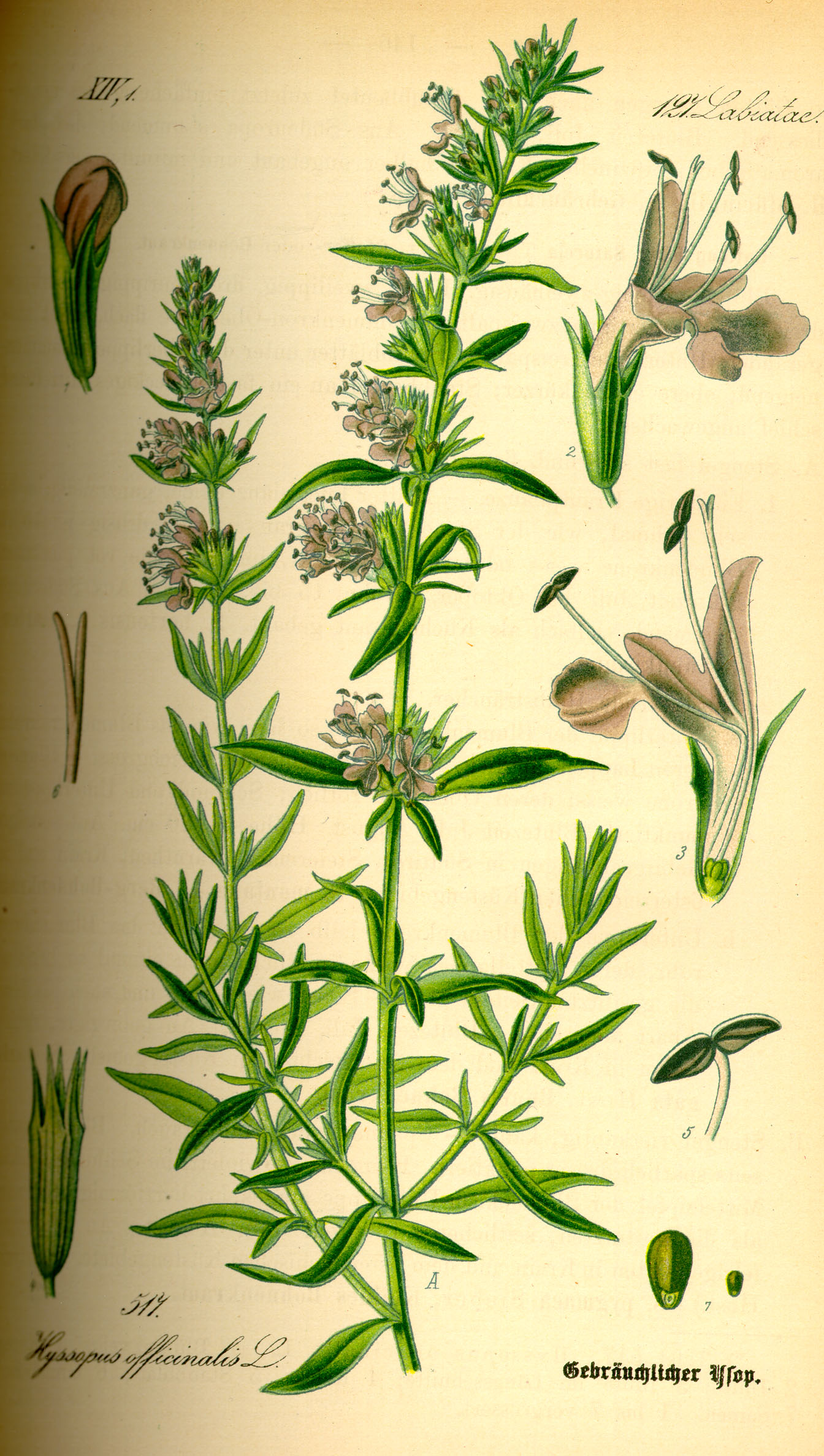
Hyssopus officinalis, hyssop is a herbaceous plant of the genus Hyssopus native to Southern Europe, the Middle East, and the region surrounding the Caspian Sea. Due to its properties as an antiseptic, cough reliever, and expectorant, it is commonly used as an aromatic herb and medicinal plant.
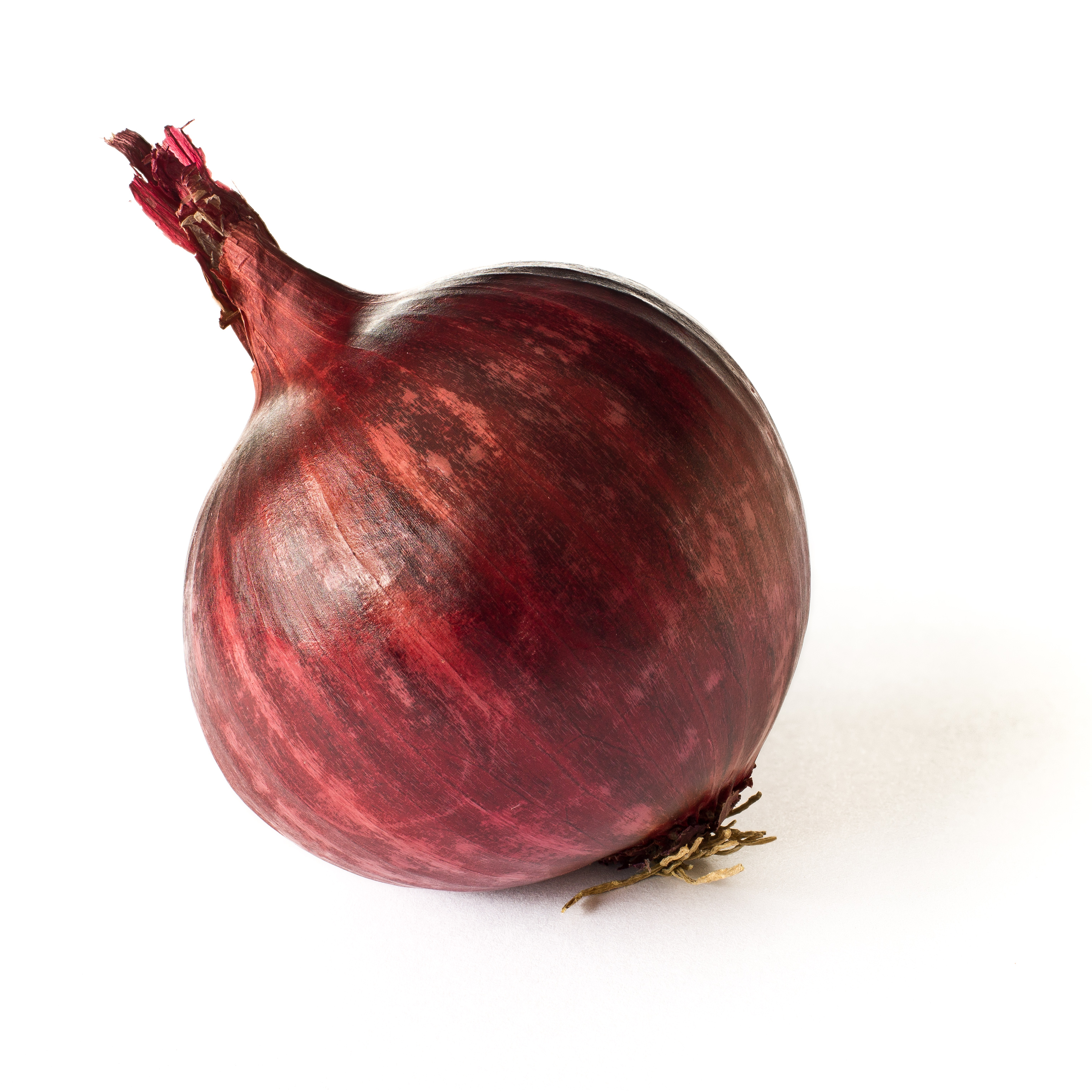
Red onions are cultivars of the onion (Allium cepa) with purplish-red skin and white flesh tinged with red.These onions tend to be medium to large in size and have a mild flavor.Red onions are available throughout the year and are high in flavonoids and fibre (compared to white and yellow onions).

Scallions (also known as green onions, spring onions, chinese onions, or salad onions) are vegetables of various Allium onion species. Scallions have a milder taste than most onions. Their close relatives include garlic, shallot, leek,chive,and Chinese onion.
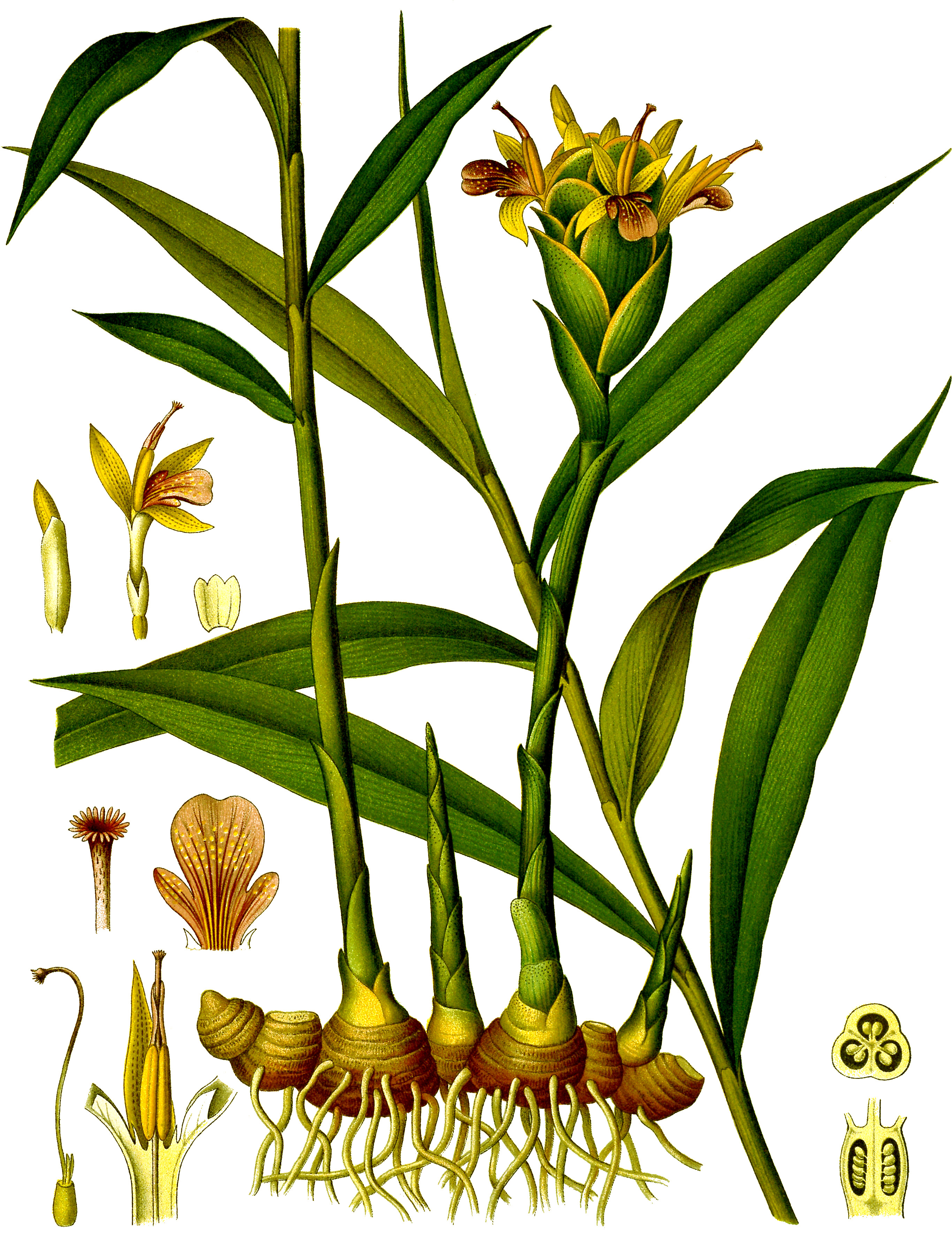

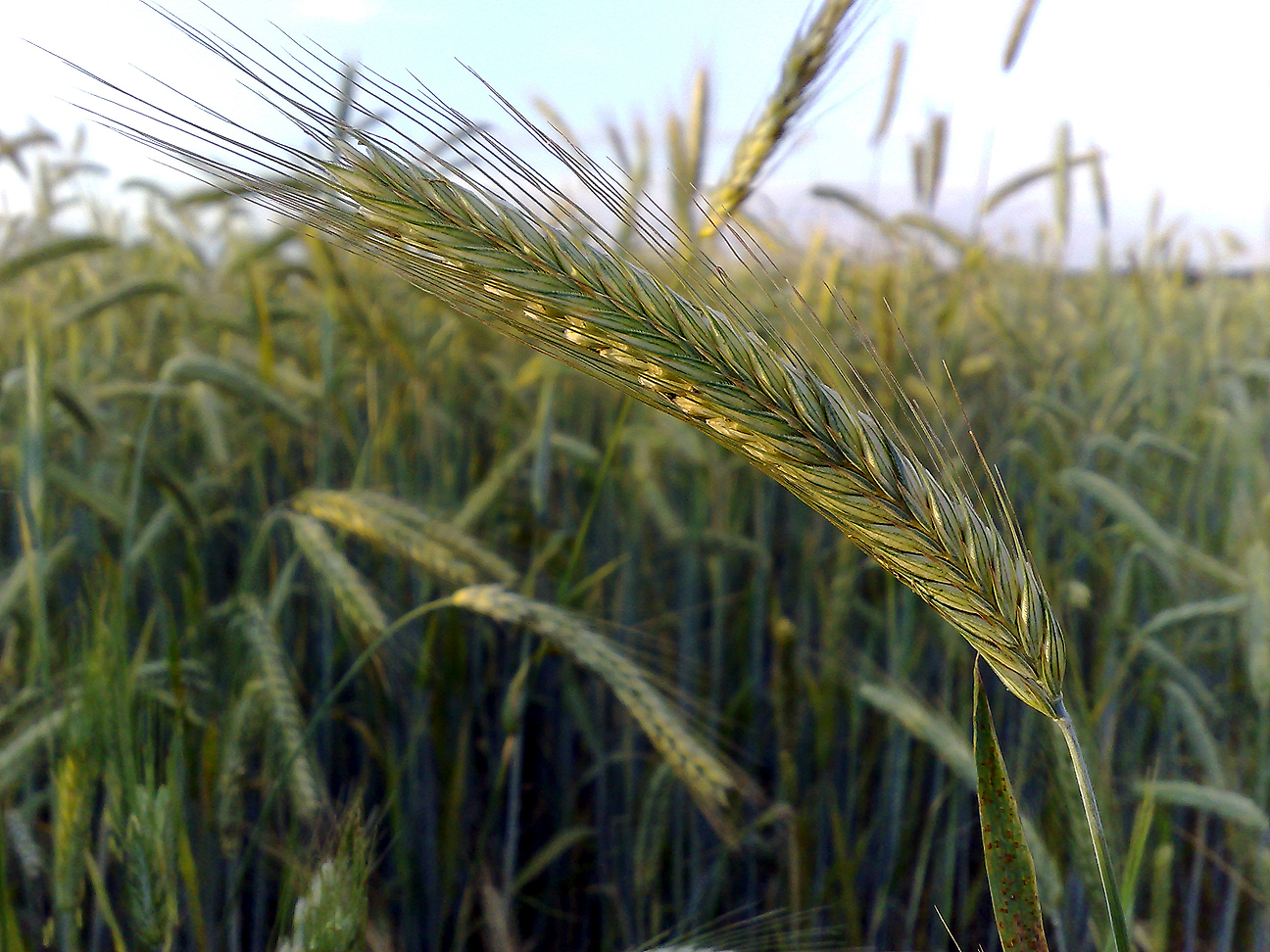

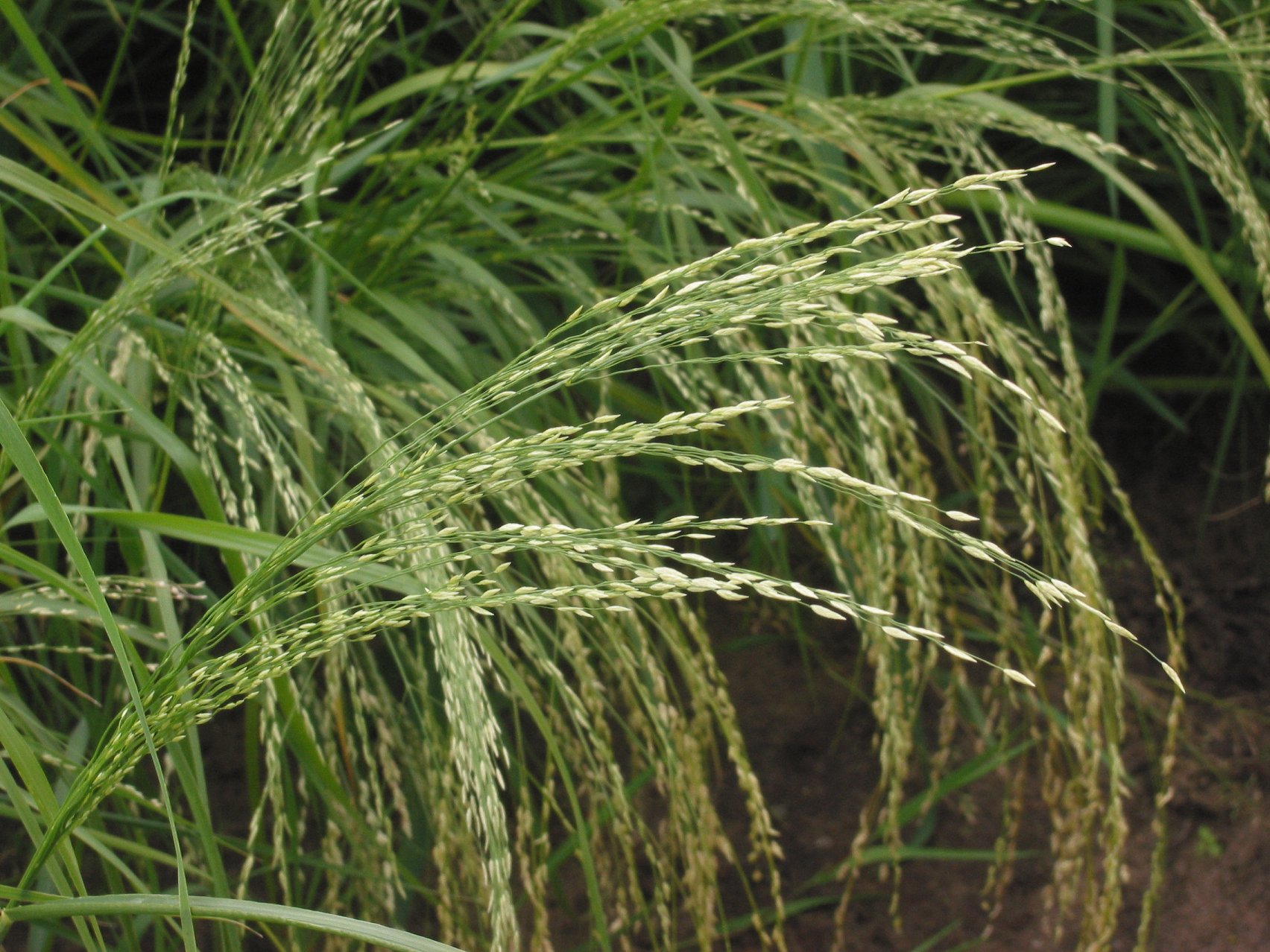
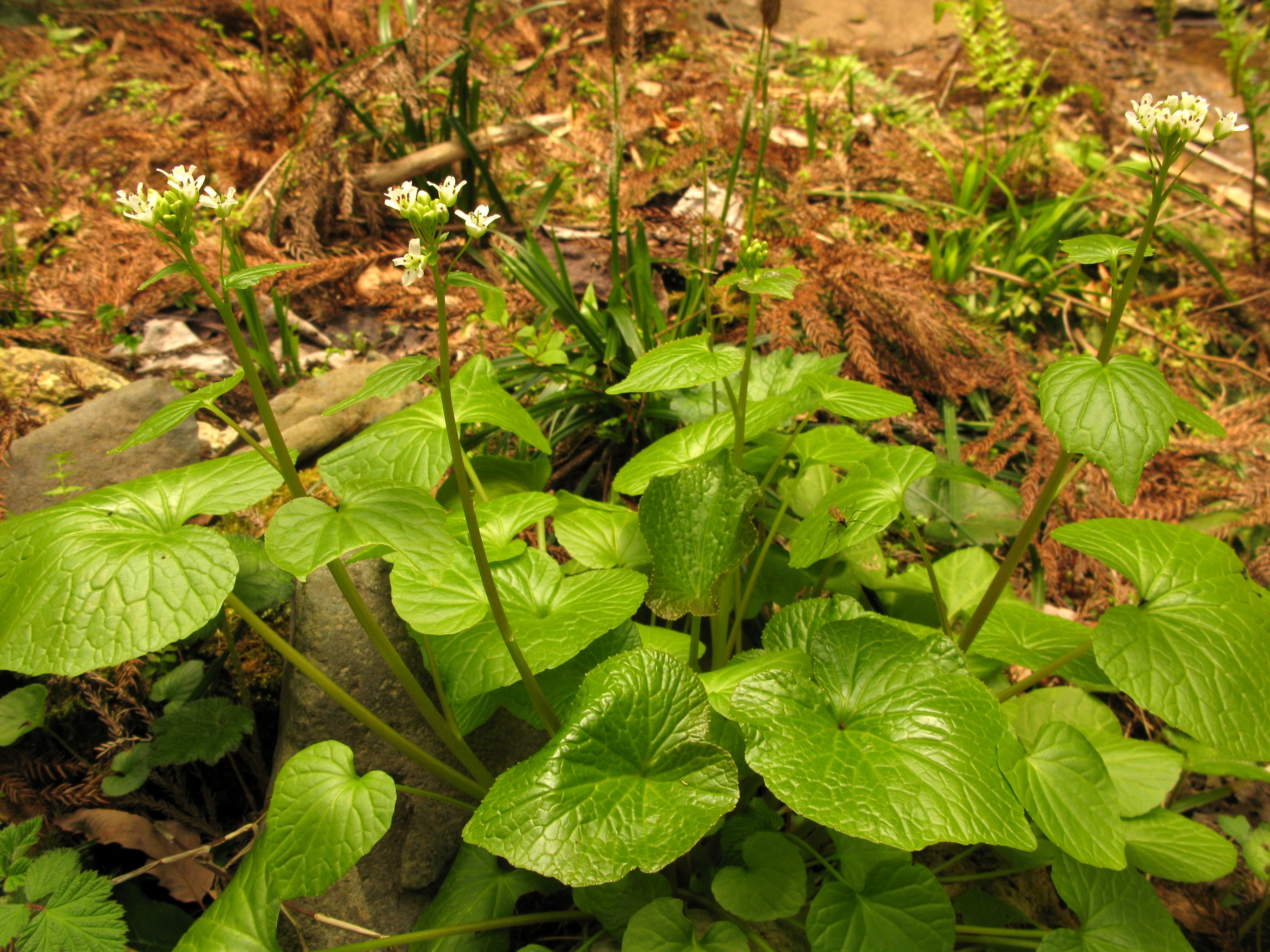

thickening agent used in microbiology and food

seed of Vigna unguiculata subsp. unguiculata

fruit from Gaylussacia baccata

berry of Rubus chamaemorus
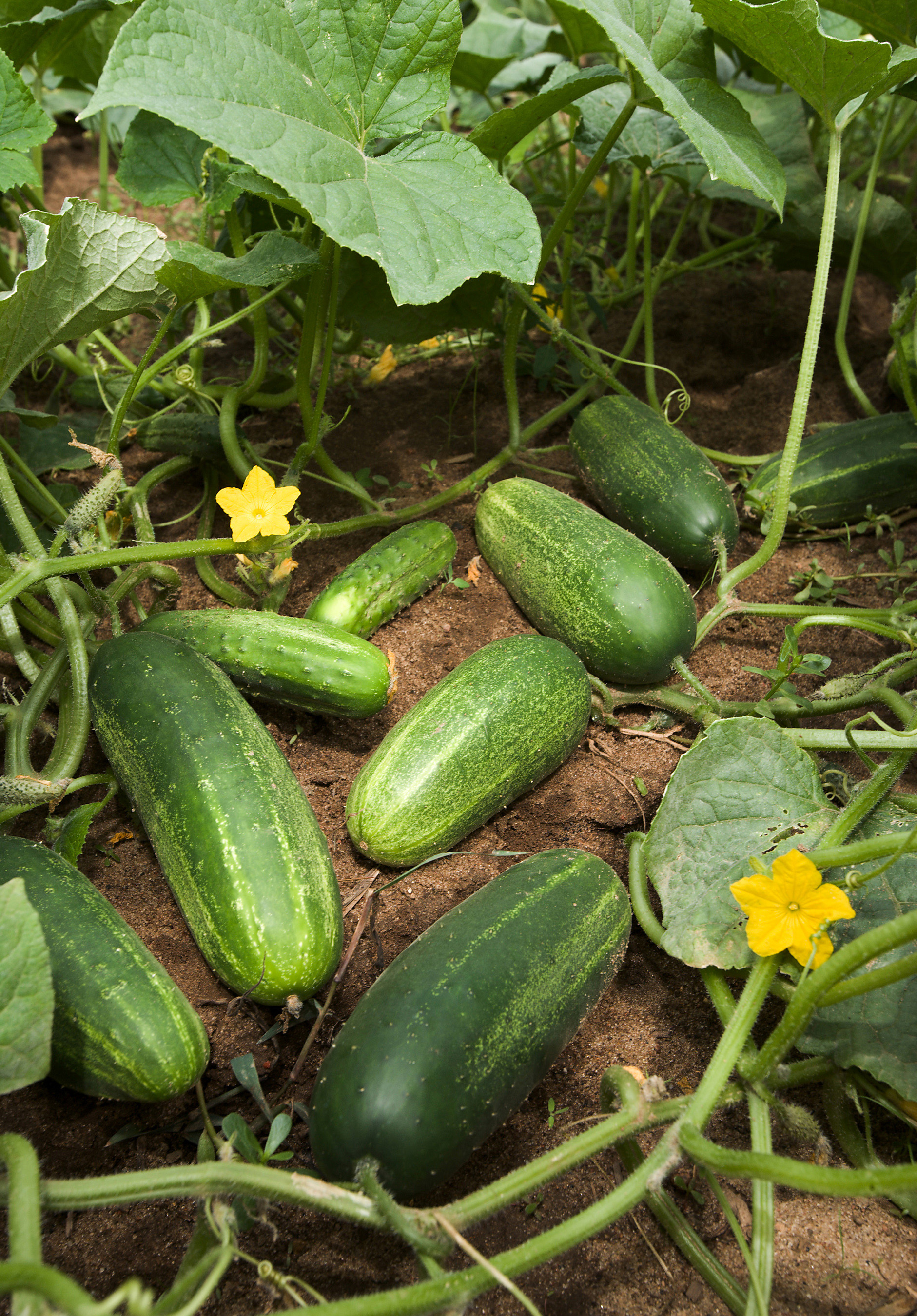
fruit used as vegetable

herb
seeds of Vigna aconitifolia

cactus pad

seed from Canarium ovatum

type of rice

fruit from Sechium edule

fruit of kumquat trees

seed from Phaseolus lunatus

Species of flowering plant in the cabbage family

Nut of the oak tree

Species of plant in the carrot family

Spice from Cinnamomum trees
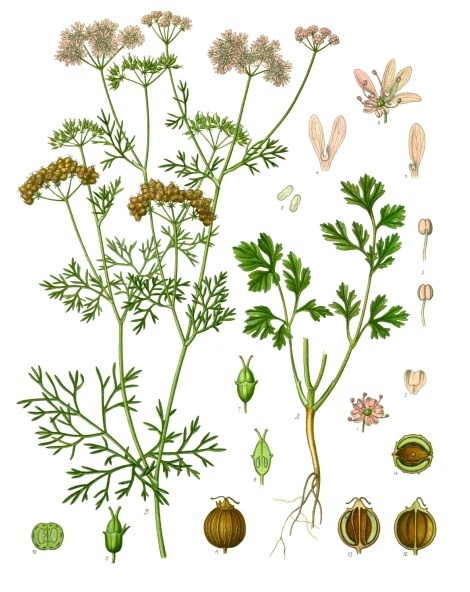
Annual herb

Species of flowering plant in the celery family Apiaceae
Verified Data
Compound identity and culinary context are continuously cross-referenced across open scientific databases and maintained by Foodgeist's enrichment pipeline.
The Geist can be wrong. Some flavor, taste, and pairing values are model-predicted, not lab-measured.