(+)-trans-Sabinol
Molecular structure
Sensory signature
How this molecule tastes and smells · gold is measured, dashed is a model estimate
Foods containing this compound

Dill (Anethum graveolens), also known as Lao coriander, depending on where it is grown, is either a perennial or annual herb. It is the sole species of the genus Anethum. Dill is widely grown in Eurasia where its leaves and seeds are used as a herb or spice for flavouring food. Like caraway, the fern-like leaves of dill are aromatic and are used to flavor many foods such as gravlax (cured salmon) and other fish dishes, borscht and other soups, as well as pickles (where the dill flower is sometimes used). Dill is best when used fresh as it loses its flavor rapidly if dried; however, freeze-dried dill leaves retain their flavor relatively well for a few months [Wikipedia].
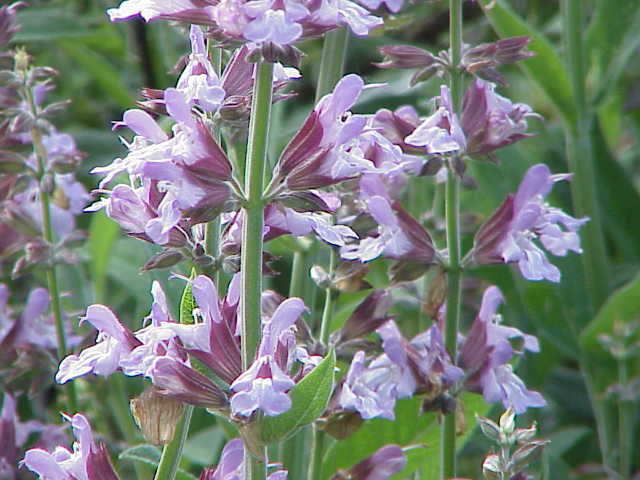
Sunflower (Helianthus annuus) is an annual plant native to the Americas. It possesses a large inflorescence (flowering head), and its name is derived from the flower's shape and image, which is often used to depict the sun. The plant has a rough, hairy stem, broad, coarsely toothed, rough leaves and circular heads of flowers. The heads consist of many individual flowers which mature into seeds, often in the hundreds, on a receptacle base. From the Americas, sunflower seeds were brought to Europe in the 16th century, where, along with sunflower oil, they became a widespread cooking ingredient. Leaves of the sunflower can be used as cattle feed, while the stems contain a fibre which may be used in paper production.
Verified Data
Compound identity and culinary context are continuously cross-referenced across open scientific databases and maintained by Foodgeist's enrichment pipeline.
The Geist can be wrong. Some flavor, taste, and pairing values are model-predicted, not lab-measured.