delphinidin(1-)
Molecular structure
Foods containing this compound


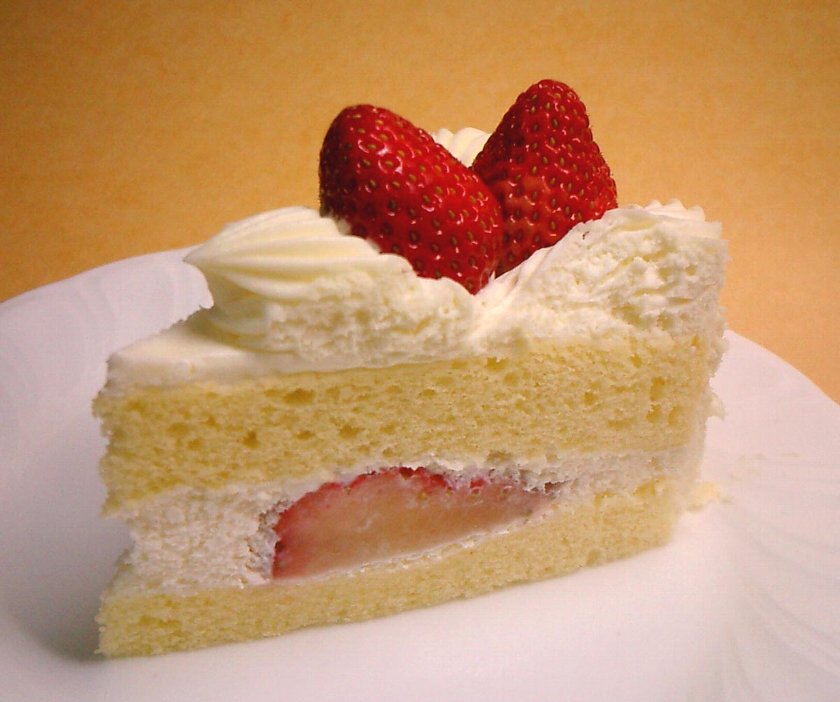




The garden strawberry (or simply strawberry; Fragaria × ananassa) is a widely grown hybrid species of the genus Fragaria (collectively known as the strawberries). It is cultivated worldwide for its fruit. The fruit (which is not a botanical berry, but an aggregate accessory fruit) is widely appreciated for its characteristic aroma, bright red color, juicy texture, and sweetness. It is consumed in large quantities, either fresh or in such prepared foods as preserves, fruit juice, pies, ice creams, milkshakes, and chocolates. Artificial strawberry aroma is also widely used in many industrial food products. As strawberry flavor and fragrance are popular characteristics for consumers,they are used widely in a variety of manufacturing, including foods, beverages, confections, perfumes and cosmetics. Sweetness, fragrance and complex flavor are favorable attributes. In plant breeding and farming, emphasis is placed on sugars, acids, and volatile compounds, which improve the taste and fragrance of a ripe strawberry. Esters, terpenes, and furans are chemical compounds having the strongest relationships to strawberry flavor and fragrance, with a total of 31 volatile compounds significantly correlated to favorable flavor and fragrance [Wikipedia]

<i>Amelanchier alnifolia</i>, the saskatoon, Pacific serviceberry, western serviceberry, alder-leaf shadbush, dwarf shadbush, chuckley pear, or western juneberry, is a shrub with edible berry-like fruit, native to North America from Alaska across most of western Canada and in the western and north-central United States. Historically, it was also called pigeon berry. It grows from sea level in the north of the range, up to 2,600 m (8,530 ft) elevation in California and 3,400 m (11,200 ft) in the Rocky Mountains, and is a common shrub in the forest understory. (Wikipedia)

Red seedless grapes are small to medium in size and are round to slightly oblong in shape, growing in medium to large clusters. The hue of a Red seedless grape can vary widely depending on the variety and local growing conditions, but it usually ranges from a light red to a deep burgundy. The thin skin may also contain a dusty film, also known as a bloom, and this layer forms a natural waterproof barrier which prevents the delicate skin from cracking. The translucent flesh is juicy and is considered seedless, though a few small undetectable and undeveloped seeds may be present. Red seedless grapes are firm, crisp, and sweet with a mild, neutral flavor.
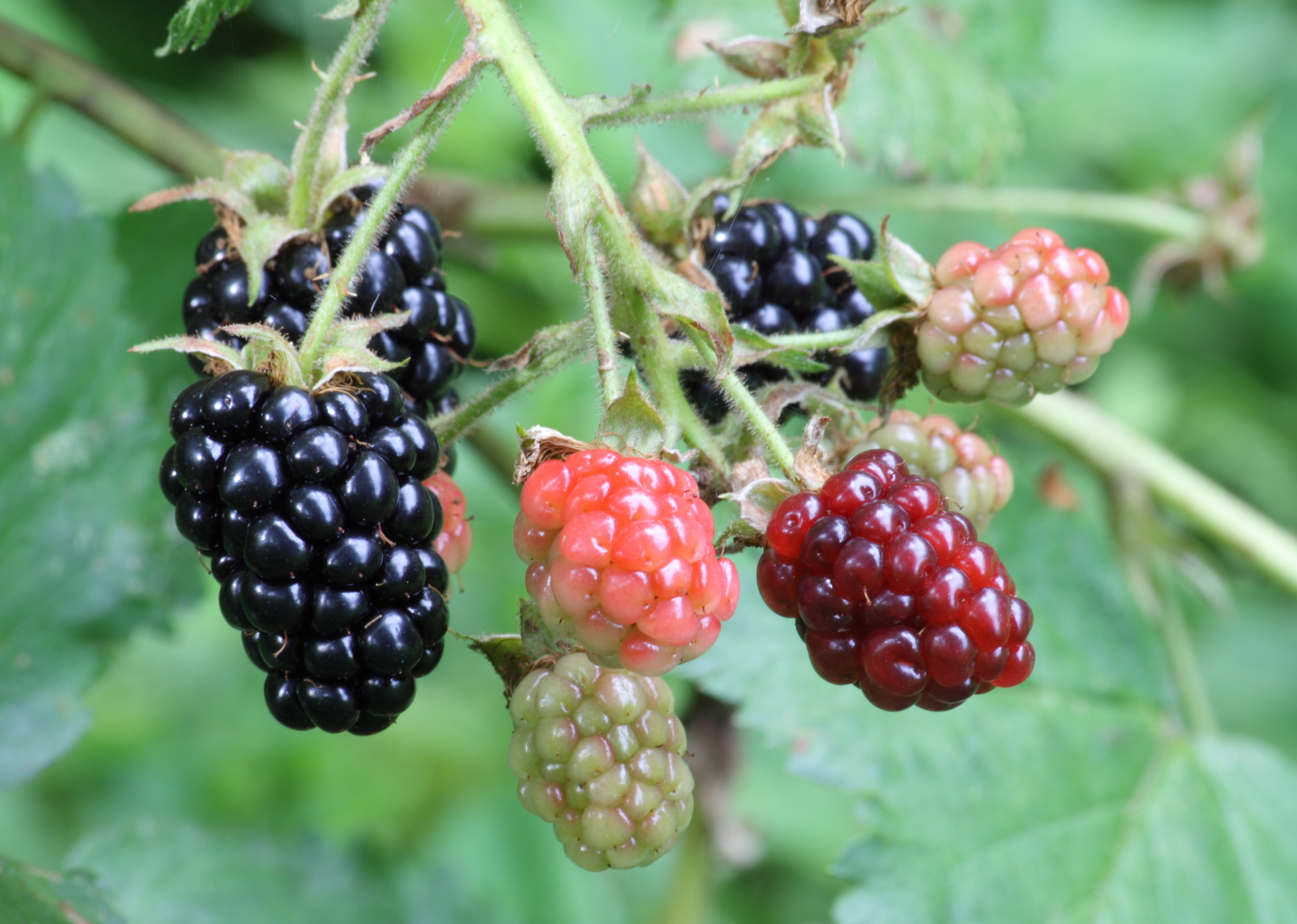
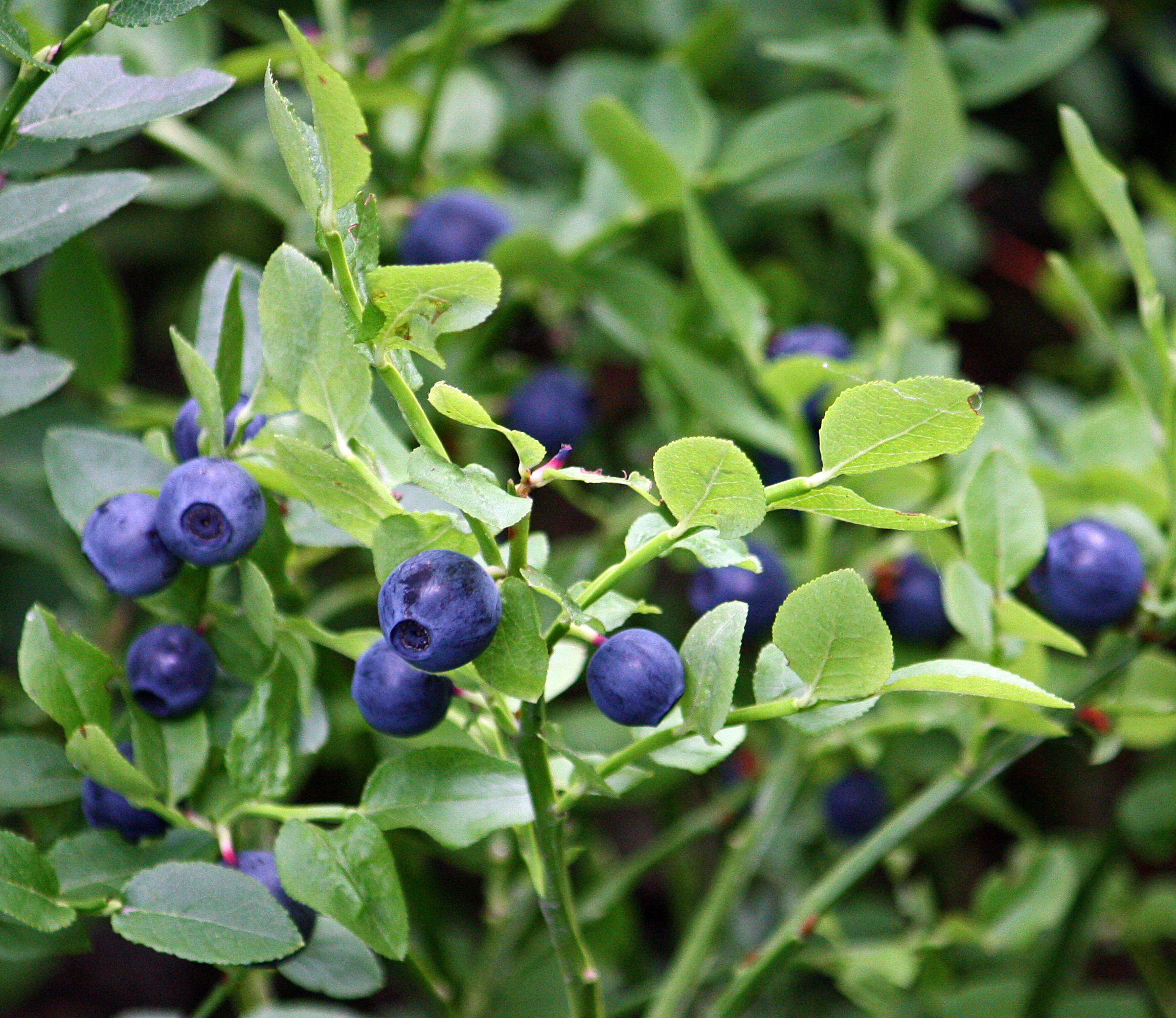


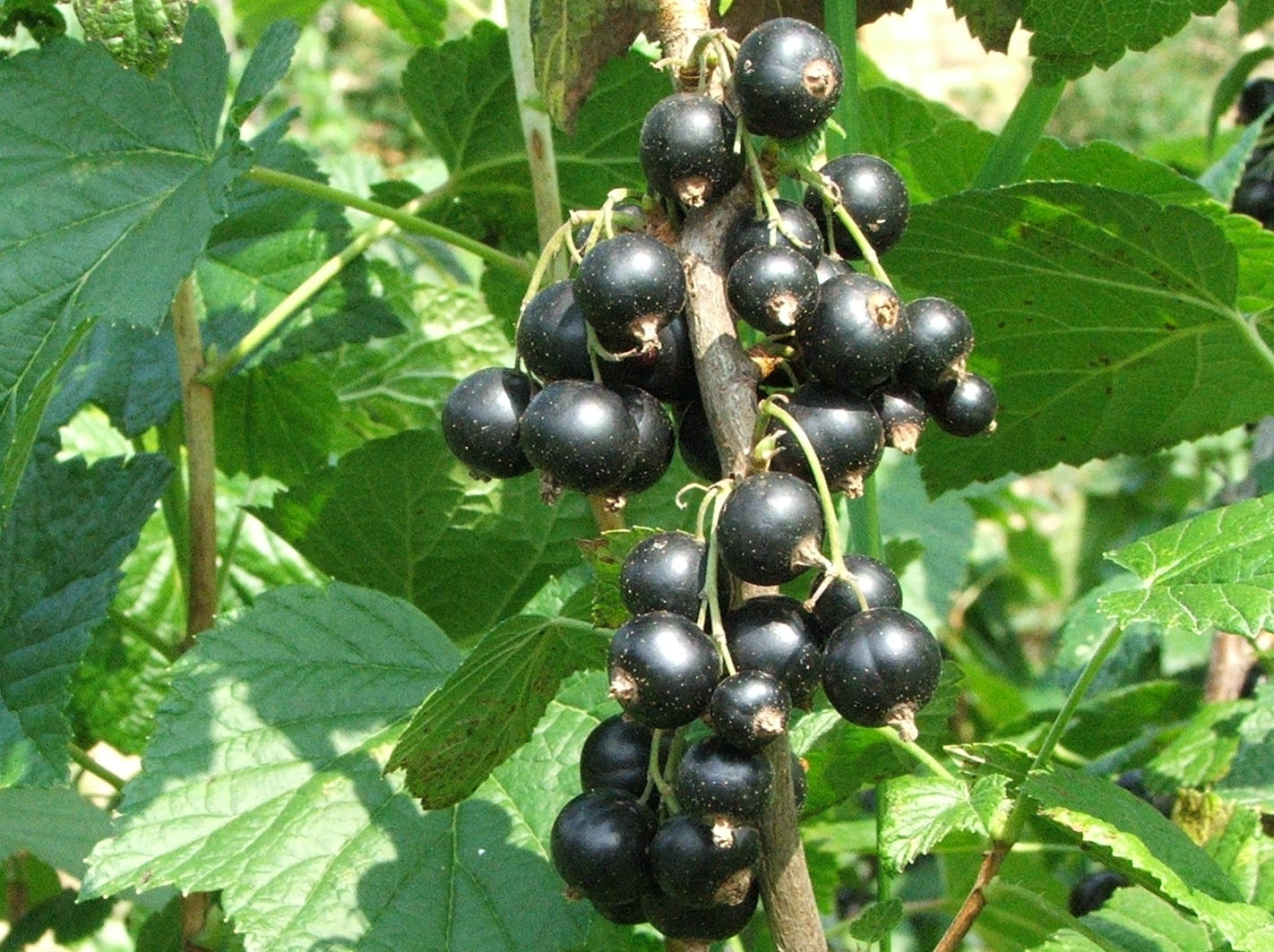
small edible fruit

fruit of Rubus occidentalis
fruit of Prunus virginiana

fruit of Solanum melongena

edible berry of a flowering plant in the family Vitaceae

fruit of various species of Vaccinium
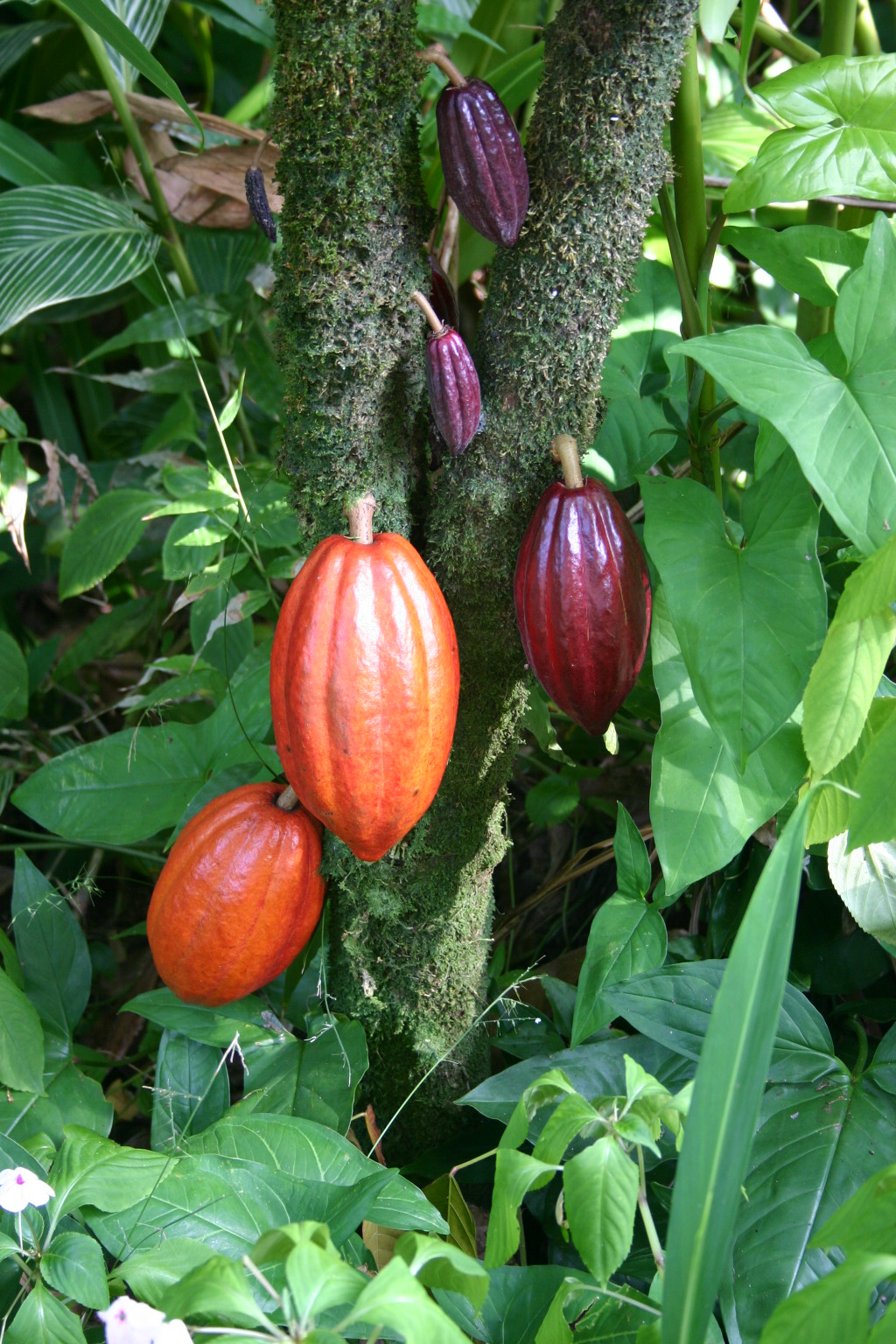
Fatty seed of Theobroma cacao
Verified Data
Compound identity and culinary context are continuously cross-referenced across open scientific databases and maintained by Foodgeist's enrichment pipeline.
The Geist can be wrong. Some flavor, taste, and pairing values are model-predicted, not lab-measured.