Molecular structure
citric acid
Cooking relevance
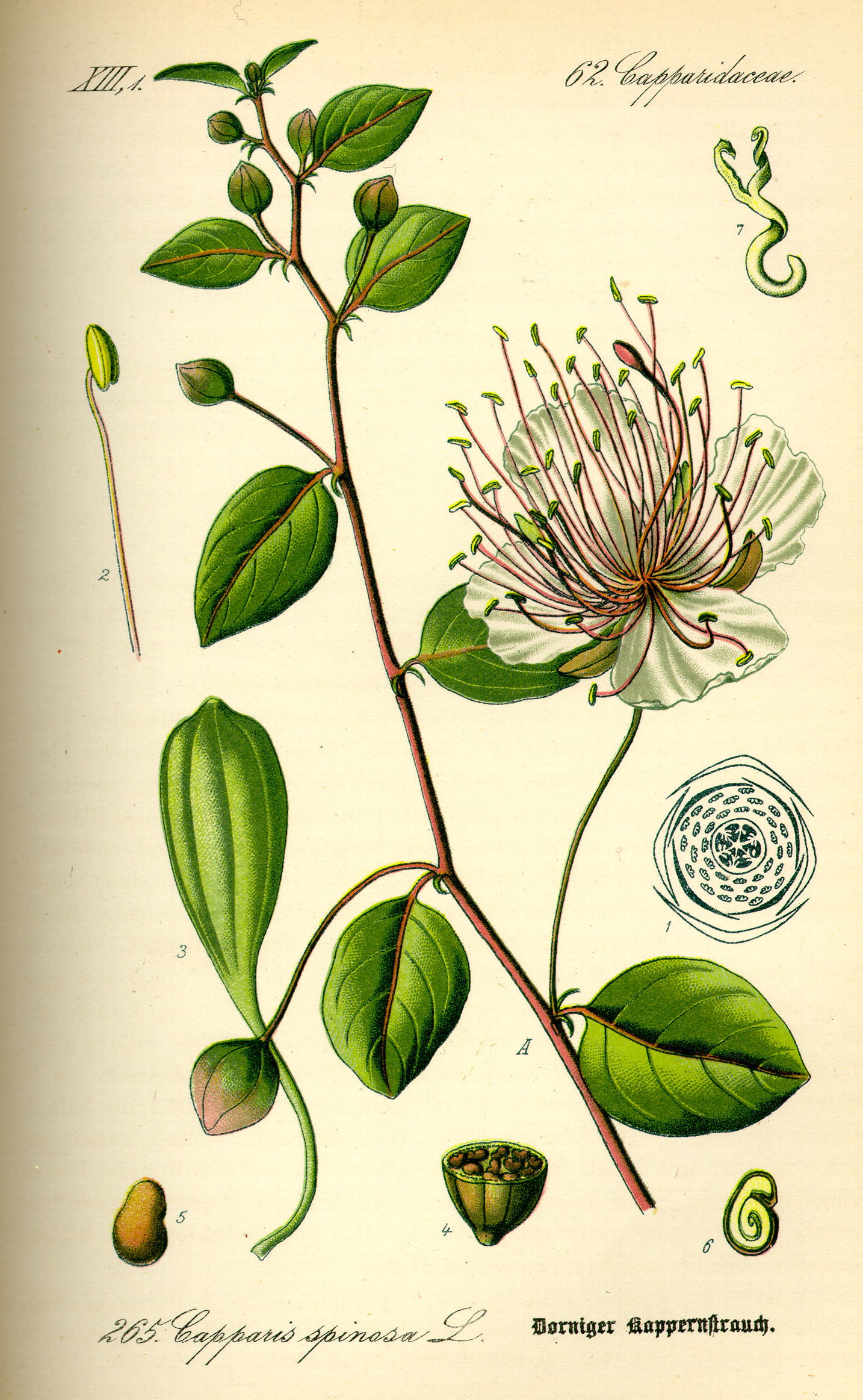
Citric acid (2-hydroxypropane-1,2,3-tricarboxylic acid, PubChem CID 311) is a weak organic acid widely used in cooking as a souring agent and preservative. It provides sharp acidity without the harshness of stronger acids, making it valuable for flavor balance in both sweet and savory dishes. Its mild tartness enhances fruit flavors and prevents enzymatic browning.
- aroma
- Sharp, clean sourness · subtle fruity undertone
- culinary role
- Souring agent, preservative, flavor enhancer in acidulated preparations
- mass spectra
- 1,238 experimental spectra
Mass spectrum
A real measured fragmentation pattern · 1 of 1,238 experimental spectra
Sensory signature
How this molecule tastes and smells · gold is measured, dashed is a model estimate
Receptor binding
Measured in literature · peer-reviewed · how this compound interacts with biological receptors
Research associations
Literature-derived · peer-reviewed sources only · not medical advice
Research papers
309 peer-reviewed papers reference this compound · top-cited shown
Foods containing this compound
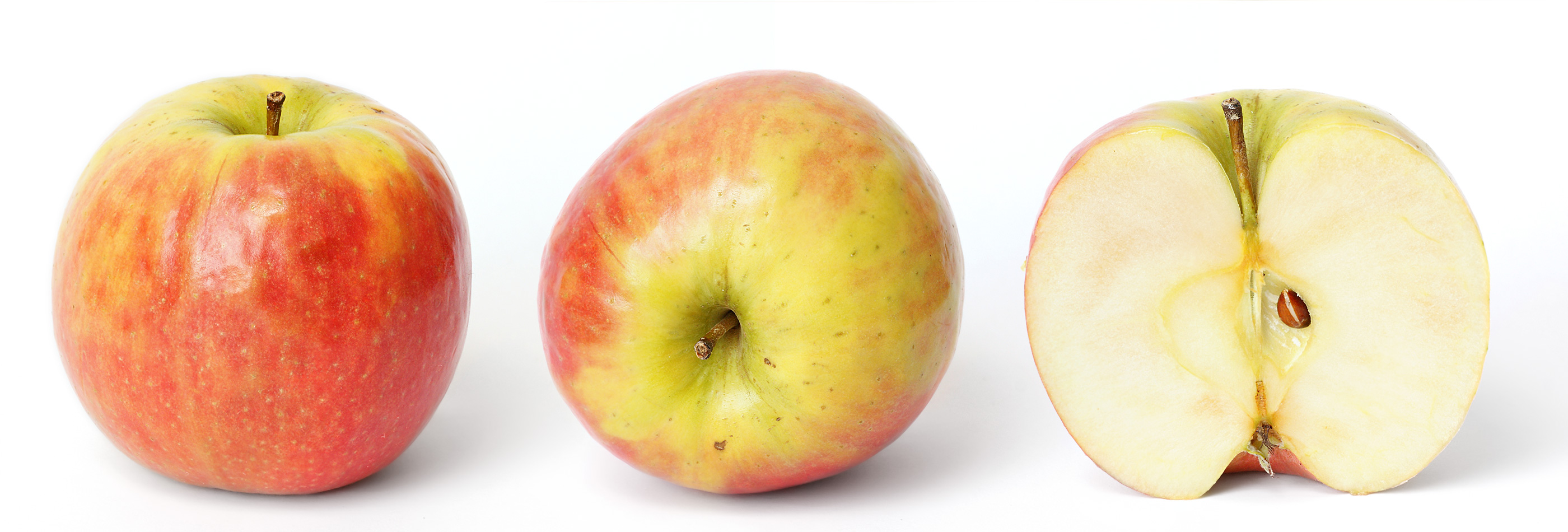
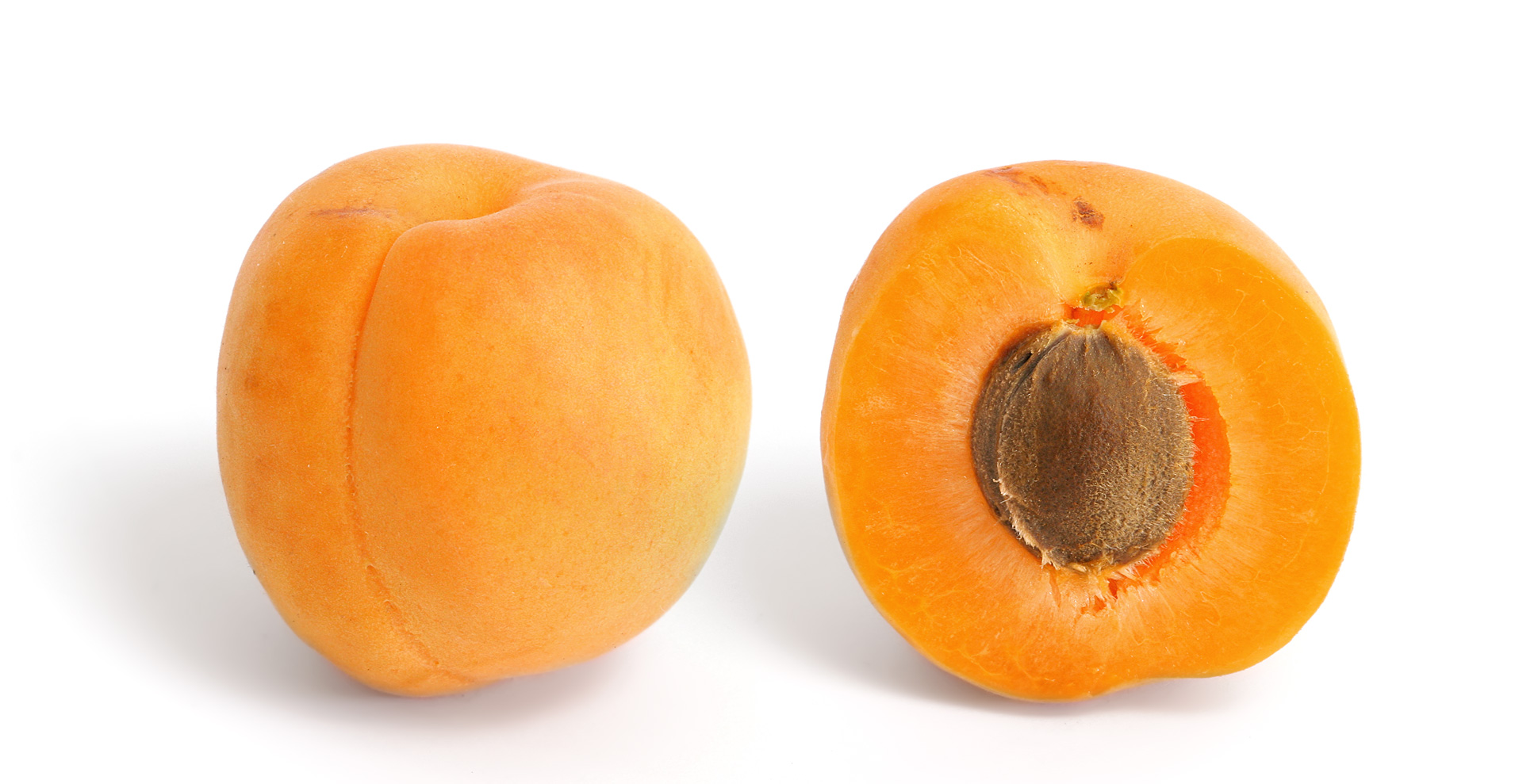
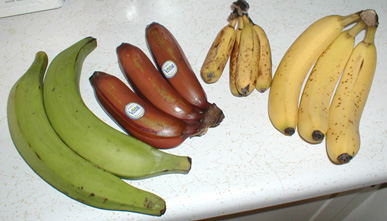

Verified Data
Compound identity and culinary context are continuously cross-referenced across open scientific databases and maintained by Foodgeist's enrichment pipeline.
The Geist can be wrong. Some flavor, taste, and pairing values are model-predicted, not lab-measured.