Molecular structure
(24R,25R)-3α,7α,12α,24-tetrahydroxy-5β-cholestan-26-oyl-CoA(4−)
Biochemical reactions
Metabolic reactions from curated biochemical databases · peer-reviewed
(25R)-3alpha,7alpha,12alpha-trihydroxy-5beta-cholestan-26-oyl-CoA + A + H2O = (24R,25R)-3alpha,7alpha,12alpha,24-tetrahydroxy-5beta-cholestan-26-oyl-CoA + AH2
(24R,25R)-3alpha,7alpha,12alpha,24-tetrahydroxy-5beta-cholestan-26-oyl-CoA = (24E)-3alpha,7alpha,12alpha-trihydroxy-5beta-cholest-24-en-26-oyl-CoA + H2O
(24R,25R)-3alpha,7alpha,12alpha,24-tetrahydroxy-5beta-cholestan-26-oyl-CoA + NAD(+) = 3alpha,7alpha,12alpha-trihydroxy-24-oxo-5beta-cholestan-26-oyl-CoA + NADH + H(+)
Foods containing this compound

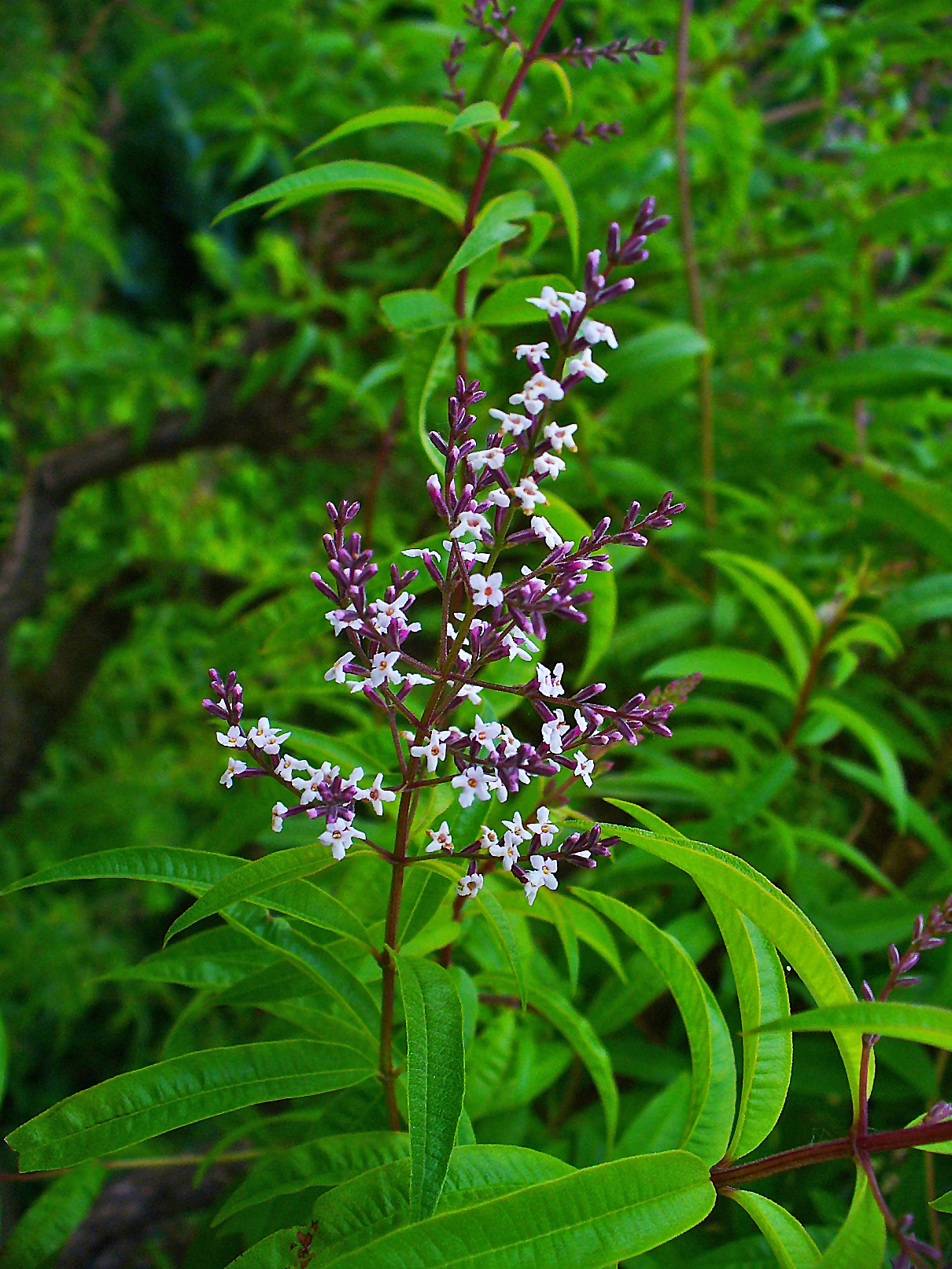
Aloysia citrodora is a species of flowering plant in the verbena family Verbenaceae, native to northwestern Argentina and southern Bolivia. Common names include lemon verbena and lemon beebrush. It was brought to Europe by the Spanish and the Portuguese in the 17th century.

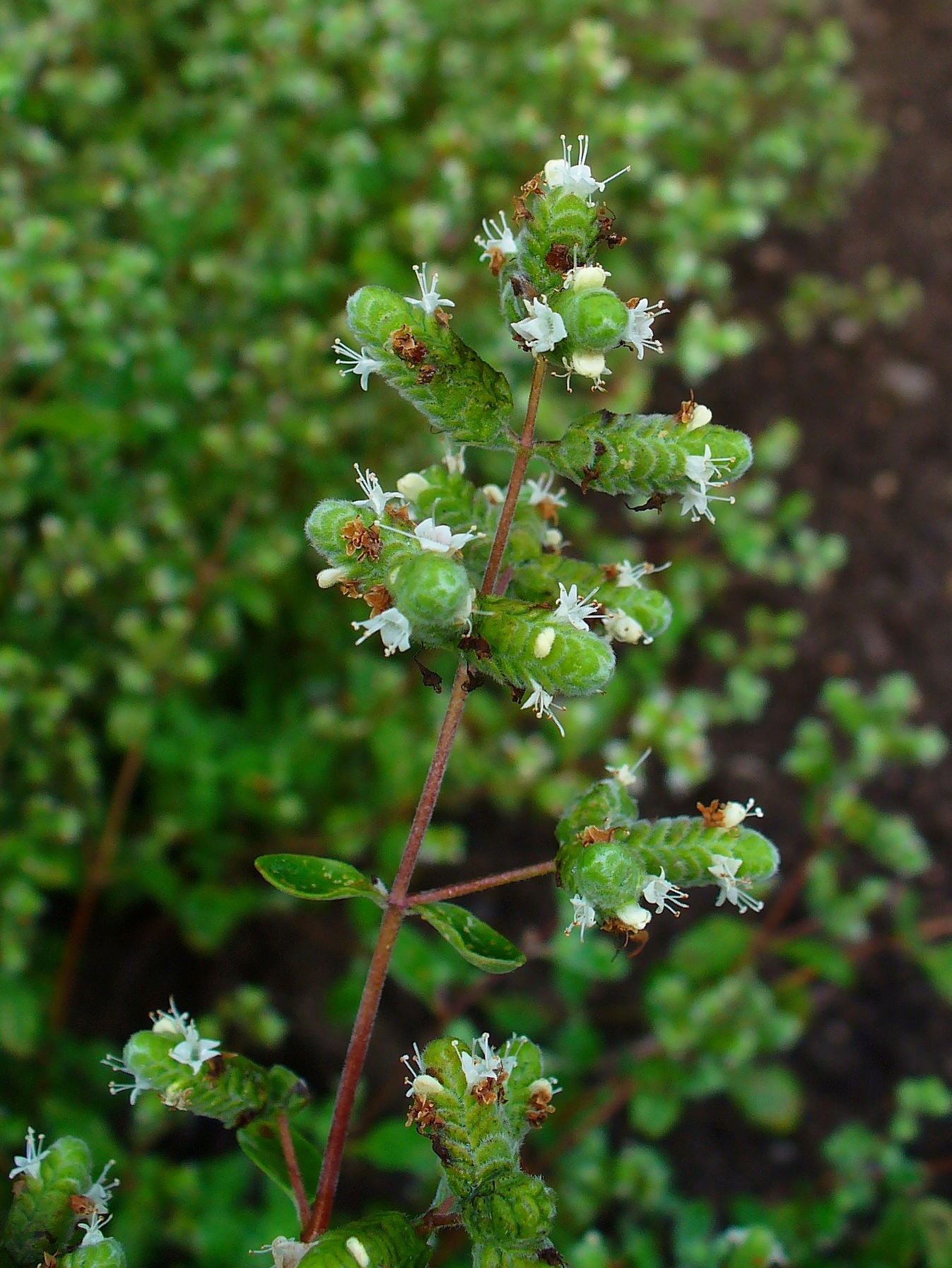
Lippia graveolens, a species of flowering plant in the verbena family, Verbenaceae, is native to the southwestern United States (Texas and southern New Mexico), Mexico, and Central America as far south as Nicaragua. Common names include Mexican oregano, redbrush lippia, orégano Cimmaron, scented lippia, and scented matgrass.
Verified Data
Compound identity and culinary context are continuously cross-referenced across open scientific databases and maintained by Foodgeist's enrichment pipeline.
The Geist can be wrong. Some flavor, taste, and pairing values are model-predicted, not lab-measured.