2-Ethyl-5-methylpyridine
Molecular structure
Sensory signature
How this molecule tastes and smells · gold is measured, dashed is a model estimate
Bioactivity signal
Structure-activity model estimate · not measured
Foods containing this compound
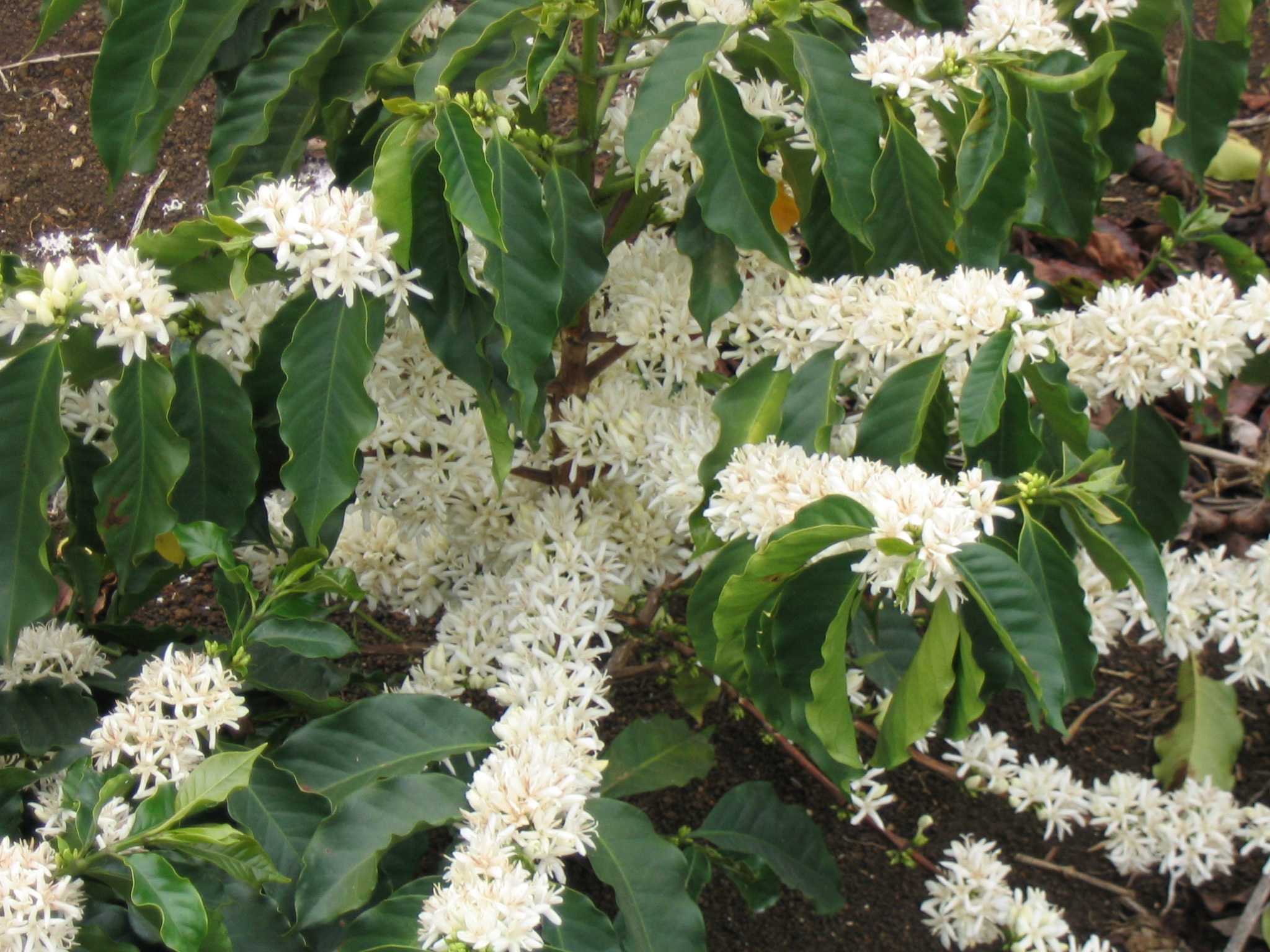
Coffea arabica is a species of Coffea originally indigenous to the mountains of the southwestern highlands of Ethiopia. It is also known as the "coffee shrub of Arabia", "mountain coffee" or "arabica coffee". Coffea arabica is believed to be the first species of coffee to be cultivated, being grown in southwest Ethiopia for well over 1,000 years.

Robusta coffee (Coffea canephora; syn. Coffea robusta) is a variety of coffee, which has its origins in central and western sub-Saharan Africa. It is a species of flowering plant in the Rubiaceae family. Though widely known as Coffea robusta, the plant is scientifically identified as Coffea canephora, which has two main varieties - Robusta and Nganda.

Crustaceans (Crustacea) form a very large group of arthropods, usually treated as a subphylum, which includes such familiar animals as crabs, lobsters, crayfish, shrimp, krill and barnacles. The 67,000 described species range in size from Stygotantulus stocki at 0.1 mm (0.004 in), to the Japanese spider crab with a leg span of up to 3.8 m (12.5 ft) and a mass of 20 kg (44 lb). Like other arthropods, crustaceans have an exoskeleton, which they moult to grow. They are distinguished from other groups of arthropods, such as insects, myriapods and chelicerates, by the possession of biramous (two-parted) limbs, and by the nauplius form of the larvae.
Verified Data
Compound identity and culinary context are continuously cross-referenced across open scientific databases and maintained by Foodgeist's enrichment pipeline.
The Geist can be wrong. Some flavor, taste, and pairing values are model-predicted, not lab-measured.
