(E,E,E)-geranylgeraniol
Molecular structure
Mass spectrum
A real measured fragmentation pattern · 1 of 2 experimental spectra
Sensory signature
How this molecule tastes and smells · gold is measured, dashed is a model estimate
Biochemical reactions
Metabolic reactions from curated biochemical databases · peer-reviewed
(2E,6E,10E)-geranylgeraniol + reduced [NADPH--hemoprotein reductase] + O2 = plaunotol + oxidized [NADPH--hemoprotein reductase] + H2O + H(+)
(2E,6E,10E)-geranylgeranyl diphosphate + H2O = (2E,6E,10E)-geranylgeraniol + diphosphate
(2E,6E,10E)-geranylgeraniol + NADPH + O2 + H(+) = 16-hydroxy-(2E,6E,10E)-geranylgeraniol + NADP(+) + H2O
(2E,6E,10E)-geranylgeraniol + 2 NADPH + 2 O2 + H(+) = (2E,6E,10E)-geranylgeranate + 2 NADP(+) + 3 H2O
Research associations
Literature-derived · peer-reviewed sources only · not medical advice
Foods containing this compound

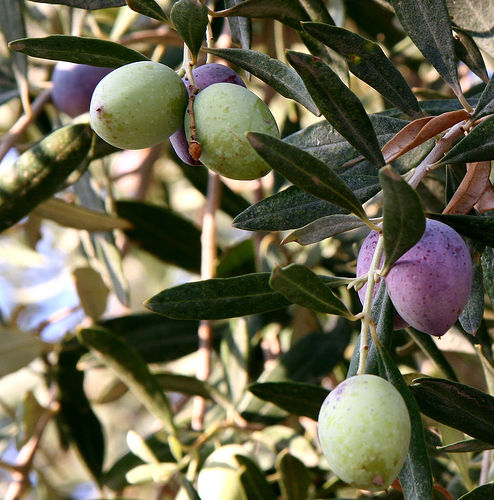
The olive is the fruit of the olive tree (Olea europaea, meaning "Oil from/of Europe"). It is an important food crop in countries around the Mediterranean Sea, and places with a Mediterranean climate. The olive is of major agricultural importance in the Mediterranean region as the source of olive oil; it is one of the three core ingredients in Mediterranean cuisine. About 90% of all harvested olives are turned into oil, while about 10% are used as table olives.
Verified Data
Compound identity and culinary context are continuously cross-referenced across open scientific databases and maintained by Foodgeist's enrichment pipeline.
The Geist can be wrong. Some flavor, taste, and pairing values are model-predicted, not lab-measured.