2-[(Methylthio)methyl]-2-butenal
Molecular structure
Foods containing this compound
Agaricus bisporus—known variously when white as common mushroom, button mushroom, white mushroom, cultivated mushroom, table mushroom, champignon mushroom, crimini mushroom, when brown as Swiss brown mushroom, Roman brown mushroom, Italian brown, Italian mushroom, brown cap mushrooms, chestnut mushroom, and when mature as Portobello mushroom—is an edible basidiomycete mushroom native to grasslands in Europe and North America. Agaricus bisporus is cultivated in more than 70 countries and is one of the most commonly and widely consumed mushrooms in the world.

Pleurotus is a genus of gilled mushrooms which includes one of the most widely eaten mushrooms, P. ostreatus. Species of Pleurotus may be called oyster, abalone, or tree mushrooms, and are some of the most commonly cultivated edible mushrooms in the world. Pleurotus fungi have been used in mycoremediation of pollutants such as petroleum and polycyclic aromatic hydrocarbons.
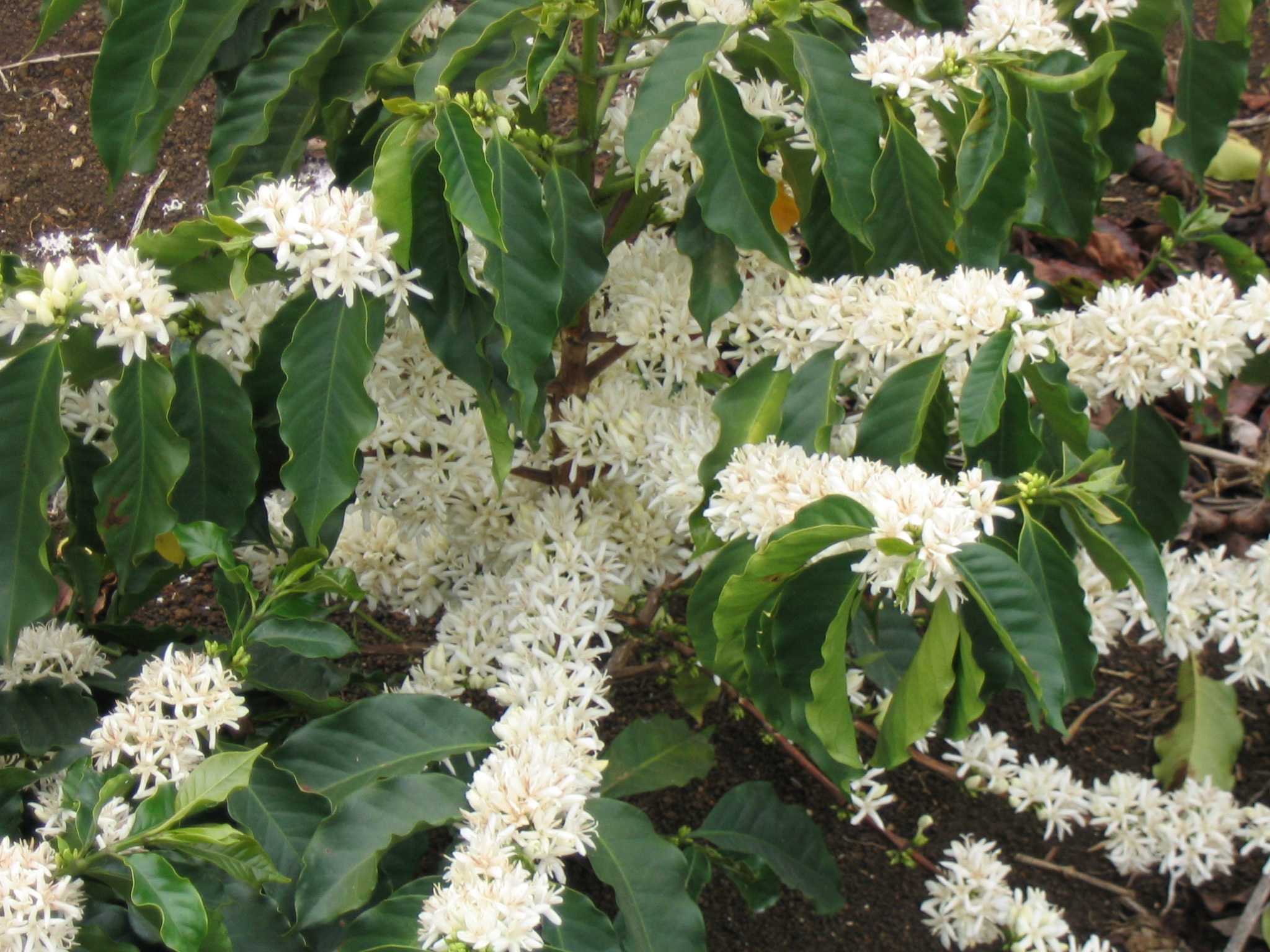
Coffea arabica is a species of Coffea originally indigenous to the mountains of the southwestern highlands of Ethiopia. It is also known as the "coffee shrub of Arabia", "mountain coffee" or "arabica coffee". Coffea arabica is believed to be the first species of coffee to be cultivated, being grown in southwest Ethiopia for well over 1,000 years.

Robusta coffee (Coffea canephora; syn. Coffea robusta) is a variety of coffee, which has its origins in central and western sub-Saharan Africa. It is a species of flowering plant in the Rubiaceae family. Though widely known as Coffea robusta, the plant is scientifically identified as Coffea canephora, which has two main varieties - Robusta and Nganda.

A mushroom (or toadstool) is the fleshy, spore-bearing fruiting body of a fungus, typically produced above ground on soil or on its food source. The standard for the name "mushroom" is the cultivated white button mushroom, Agaricus bisporus; hence the word "mushroom" is most often applied to those fungi (Basidiomycota, Agaricomycetes) that have a stem (stipe), a cap (pileus), and gills (lamellae, sing. lamella) or pores on the underside of the cap. These pores or gills produce microscopic spores that help the fungus spread across the ground or its occupant surface.

serving and drinking customs of Arabic coffee

staple food
Verified Data
Compound identity and culinary context are continuously cross-referenced across open scientific databases and maintained by Foodgeist's enrichment pipeline.
The Geist can be wrong. Some flavor, taste, and pairing values are model-predicted, not lab-measured.