2-(4-methylcyclohex-3-en-1-yl)prop-2-enyl acetate
Molecular structure
Sensory signature
How this molecule tastes and smells · gold is measured, dashed is a model estimate
Foods containing this compound

The lemon is a small evergreen tree native to Asia, and the tree's ellipsoidal yellow fruit. The fruit is used for culinary and non-culinary purposes throughout the world, primarily for its juice, though the pulp and rind are also used in cooking and baking. The juice of the lemon is about 5% to 6% citric acid, which gives lemons a sour taste. The distinctive sour taste of lemon juice makes it a key ingredient in drinks and foods such as lemonade.
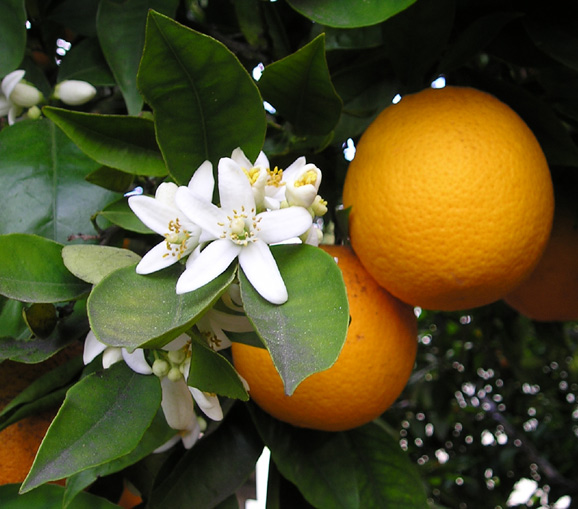
Citrus is a common term and genus (Citrus) of flowering plants in the rue family, Rutaceae. The most recent research indicates an origin in Australia, New Caledonia and New Guinea. Some researchers believe that the origin is in the part of Southeast Asia bordered by Northeast India, Burma (Myanmar) and the Yunnan province of China, and it is in this region that some commercial species such as oranges, mandarins, and lemons originally came. Citrus fruit has been cultivated in an ever-widening area since ancient times; the best-known examples are the oranges, lemons, grapefruit, and limes.
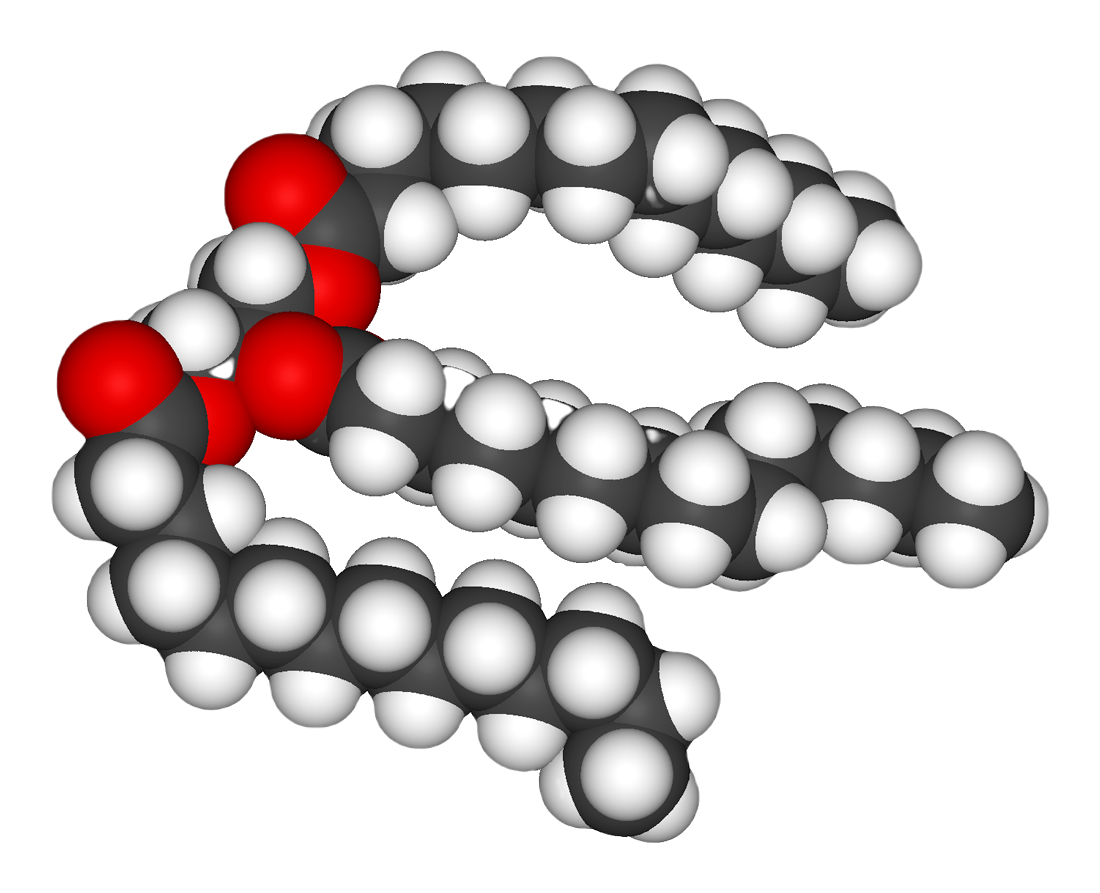
Fats are a wide group of compounds that are generally soluble in organic solvents and generally insoluble in water. Chemically, fats are triglycerides: triesters of glycerol and any of several fatty acids. Fats may be either solid or liquid at room temperature, depending on their structure and composition. Although the words "oils", "fats", and "lipids" are all used to refer to fats, in reality, fat is a subset of lipid. "Oils" is usually used to refer to fats that are liquids at normal room temperature, while "fats" is usually used to refer to fats that are solids at normal room temperature. "Lipids" is used to refer to both liquid and solid fats, along with other related substances, usually in a medical or biochemical context, which are not soluble in water. The word "oil" is also used for any substance that does not mix with water and has a greasy feel, such as petroleum (crude oil), heating oil, and essential oils, regardless of its chemical structure.
Verified Data
Compound identity and culinary context are continuously cross-referenced across open scientific databases and maintained by Foodgeist's enrichment pipeline.
The Geist can be wrong. Some flavor, taste, and pairing values are model-predicted, not lab-measured.