octan-1-ol
Molecular structure
Mass spectrum
A real measured fragmentation pattern · 1 of 14 experimental spectra
Sensory signature
How this molecule tastes and smells · gold is measured, dashed is a model estimate
Receptor binding
Measured in literature · peer-reviewed · how this compound interacts with biological receptors
Biochemical reactions
Metabolic reactions from curated biochemical databases · peer-reviewed
octane + 2 reduced [rubredoxin] + O2 + 2 H(+) = 2 oxidized [rubredoxin] + octan-1-ol + H2O
octan-1-ol + NAD(+) = octanal + NADH + H(+)
octan-1-ol + hexadecanoyl-CoA = octyl hexadecanoate + CoA
octan-1-ol + NADP(+) = octanal + NADPH + H(+)
octyl beta-D-glucose + chenodeoxycholate = beta-D-glucosyl-(1->3)-O-chenodeoxycholate + octan-1-ol
Research associations
Literature-derived · peer-reviewed sources only · not medical advice
Foods containing this compound


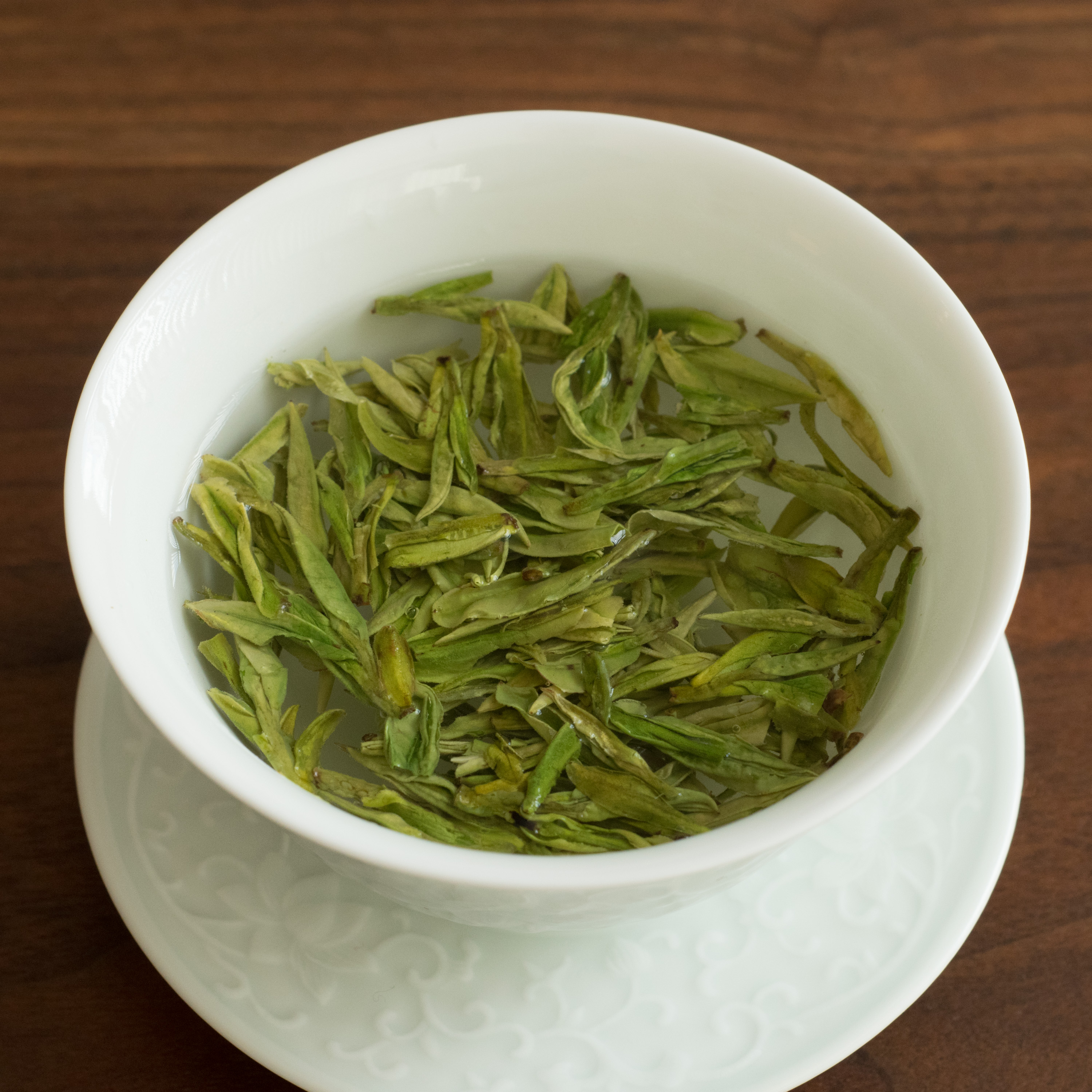
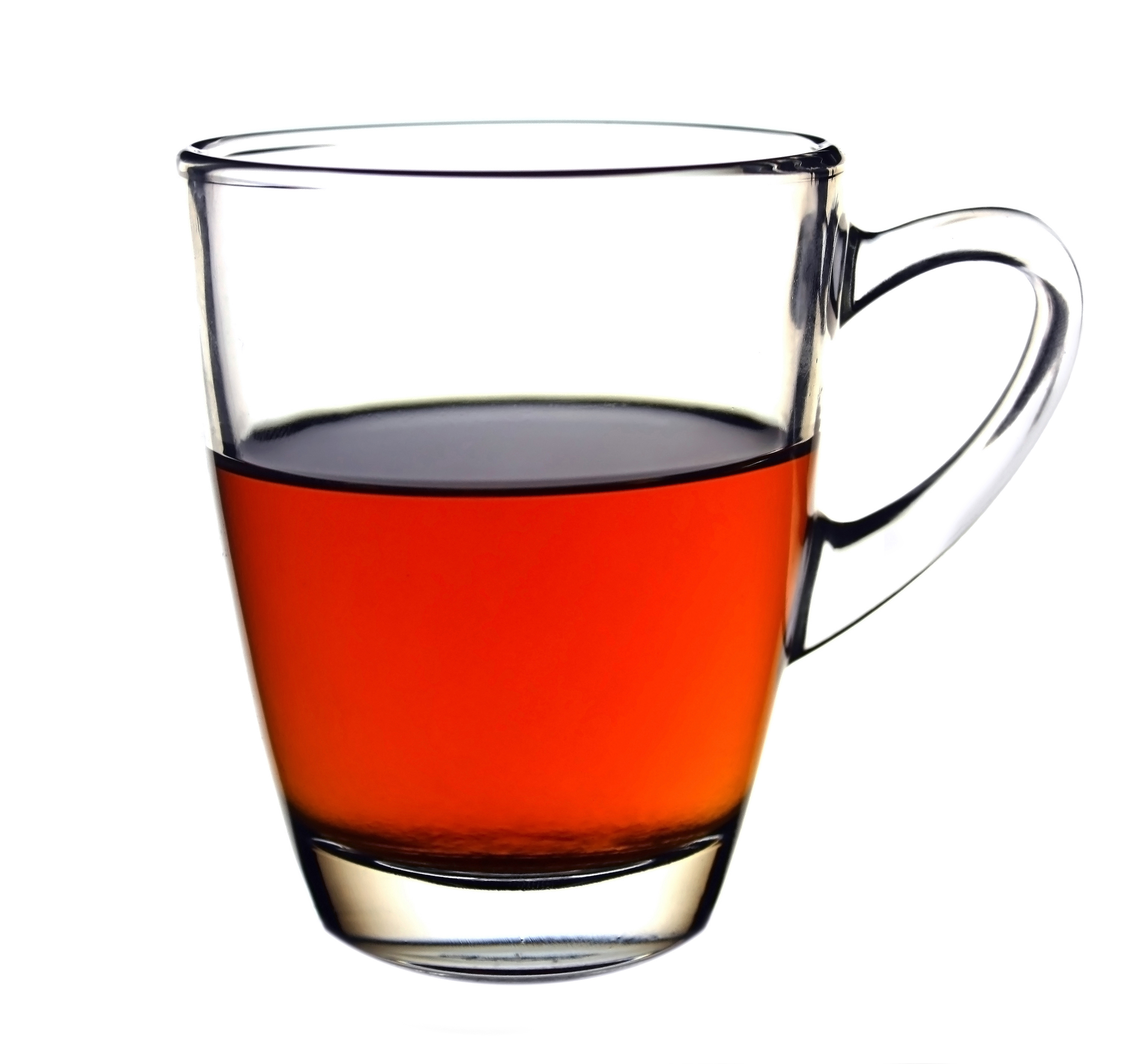
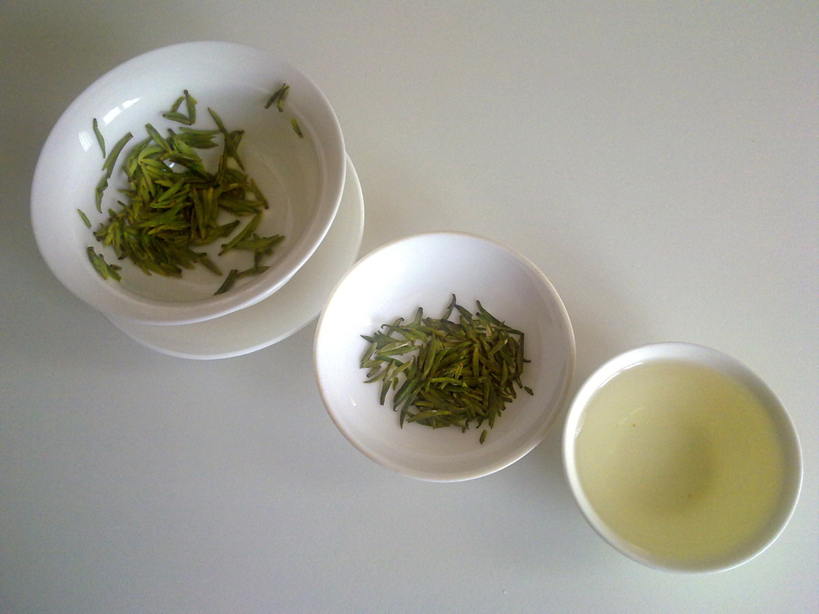
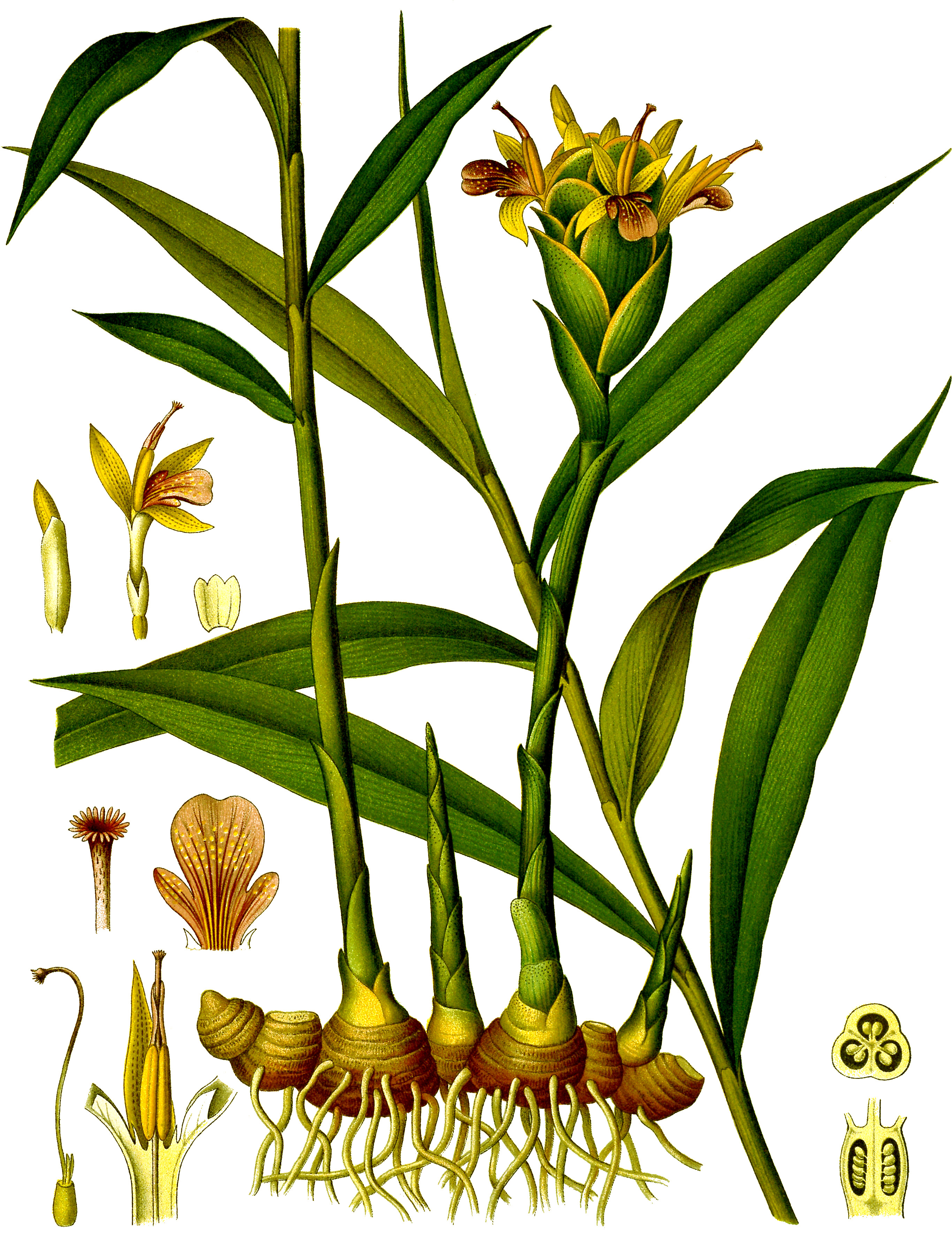
Herbal teas are the beverages made from the infusion or decoction of herbs, spices, or other plant material in hot water. While most herbal teas are safe for regular consumption, some herbs have toxic or allergenic effects. The most herbal teas include Chamomile Tea, Peppermint Tea, Ginger Tea, etc.
Verified Data
Compound identity and culinary context are continuously cross-referenced across open scientific databases and maintained by Foodgeist's enrichment pipeline.
The Geist can be wrong. Some flavor, taste, and pairing values are model-predicted, not lab-measured.