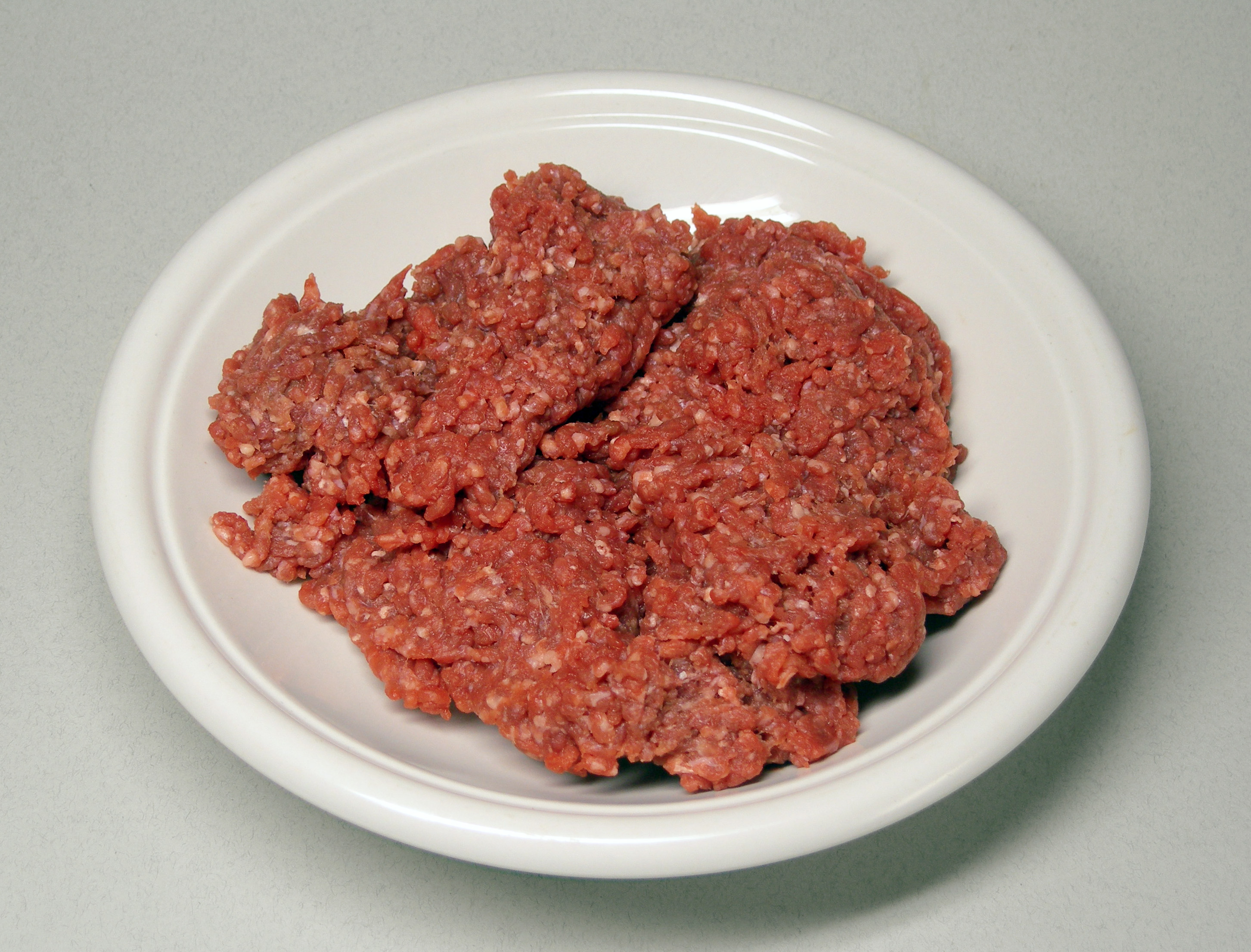
Shiga-like toxin I-producing E. coli → detectable → ground beef
detection limit: 0.5 CFU per genrichment time: 12 h
“As few as 0.5 CFU of Shiga-like toxin I-producing E. coli per g could be detected in ground beef with only 12 h of enrichment in modified E. coli broth.”
Ground beef → implicated in → Salmonella outbreaks
time_period: 2002-2011number_of_outbreaks: 17percentage_of_total: 45
“ground beef emerged as an important vehicle in the 2000s; it was implicated in 17 (45%) of the 38 beef-attributed outbreaks reported during 2002-2011”
Shiga toxin-producing Escherichia coli (STEC) → identified in → commercial ground beef and environmental samples
prevalence: 25.5% for O157 in beef samples, 4.4% in environmental samplesnon-O157 prevalence: 52.2% in beef samples, 50.5% in environmental samples
“STEC O157 were identified in 23 (25.5%) beef samples and 16 (4.4%) environmental samples, while STEC non-O157 were present in 47 (52.2%) and 182 (50.5%), respectively.”
Ceftriaxone resistance → correlates with → ceftriaxone resistance in isolates from ground beef, cattle, and poultry
“Ceftriaxone resistance among Salmonella Newport, Typhimurium, and Heidelberg isolates from humans strongly correlates with ceftriaxone resistance in isolates from ground beef, cattle, and poultry, respectively.”
ground beef consumption → is a risk factor for → Escherichia coli 0157:H7 infection
“Ground Beef Consumption in Noncommercial Settings Is a Risk Factor for Sporadic Escherichia coli 0157:H7 Infection in Canada.”
E. coli O157:H7 → isolated from → ground beef, beef burgers, beef sausage, ground chicken, and chicken burgers
incidence: 5%, 10%, 0.0%, 5%, and 0.0%sample_size: 170
“The incidences of E. coli O157:H7 in ground beef, beef burgers, beef sausage, ground chicken and chicken burgers were 5%, 10%, 0.0%, 5% and 0.0%, respectively.”