About
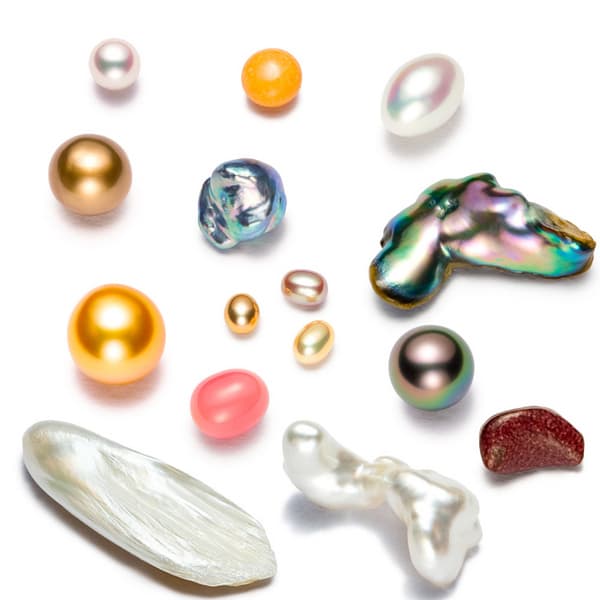
A pearl is a hard, glistening object produced within the soft tissue of a living shelled mollusk or another animal, such as fossil conulariids. Just like the shell of a mollusk, a pearl is composed of calcium carbonate in minute crystalline form, which is deposited in concentric layers. More commercially valuable pearls are perfectly round and smooth, but many other shapes, known as baroque pearls, can occur. The finest quality of natural pearls have been highly valued as gemstones and objects of beauty for many centuries. Because of this, pearls have become a metaphor for something rare, fine, admirable, and valuable.
Composition
2 compounds identified — cross-referenced scientific databases
Highlighted compounds are flavor-active · "~pred" marks predicted edges · click to view molecular profile
Best pairings
Ranked across every axis at once: shared flavor chemistry, real-recipe co-use, novel-discovery, and nutrient synergy. Pairs agreeing on two or more axes lead.
Commonly combined
Frequently used together in real recipes — ranked by how specifically these ingredients appear together
Research Evidence
The Geist can be wrong. Some flavor, taste, and pairing values are model-predicted, not lab-measured.