vanillin
Molecular structure
Cooking relevance
Vanillin (PubChem CID 1183) is the primary aromatic compound responsible for vanilla's characteristic flavor and aroma in culinary applications. This aldehyde compound provides the sweet, warm, slightly woody notes that define vanilla's sensory profile. It appears naturally in vanilla beans and is also produced synthetically for use in cooking and baking, where it enhances desserts, beverages, and savory dishes requiring subtle sweetness and depth.
- aroma
- sweet · warm · woody · creamy · subtle spice notes
- culinary role
- primary aromatic compound in vanilla; flavoring agent in desserts, beverages, and baked goods
- mass spectra
- 597 experimental spectra
Mass spectrum
A real measured fragmentation pattern · 1 of 597 experimental spectra
Sensory signature
How this molecule tastes and smells · gold is measured, dashed is a model estimate
Receptor binding
Measured in literature · peer-reviewed · how this compound interacts with biological receptors
Biochemical reactions
Metabolic reactions from curated biochemical databases · peer-reviewed
4-hydroxy-3-methoxy-benzenemethanol + O2 = vanillin + H2O2
vanillin + NAD(+) + H2O = vanillate + NADH + 2 H(+)
3-hydroxy-3-(4-hydroxy-3-methoxyphenyl)propanoyl-CoA = vanillin + acetyl-CoA
1,2-bis(4-hydroxy-3-methoxyphenyl)ethylene + O2 = 2 vanillin
Research associations
Literature-derived · peer-reviewed sources only · not medical advice
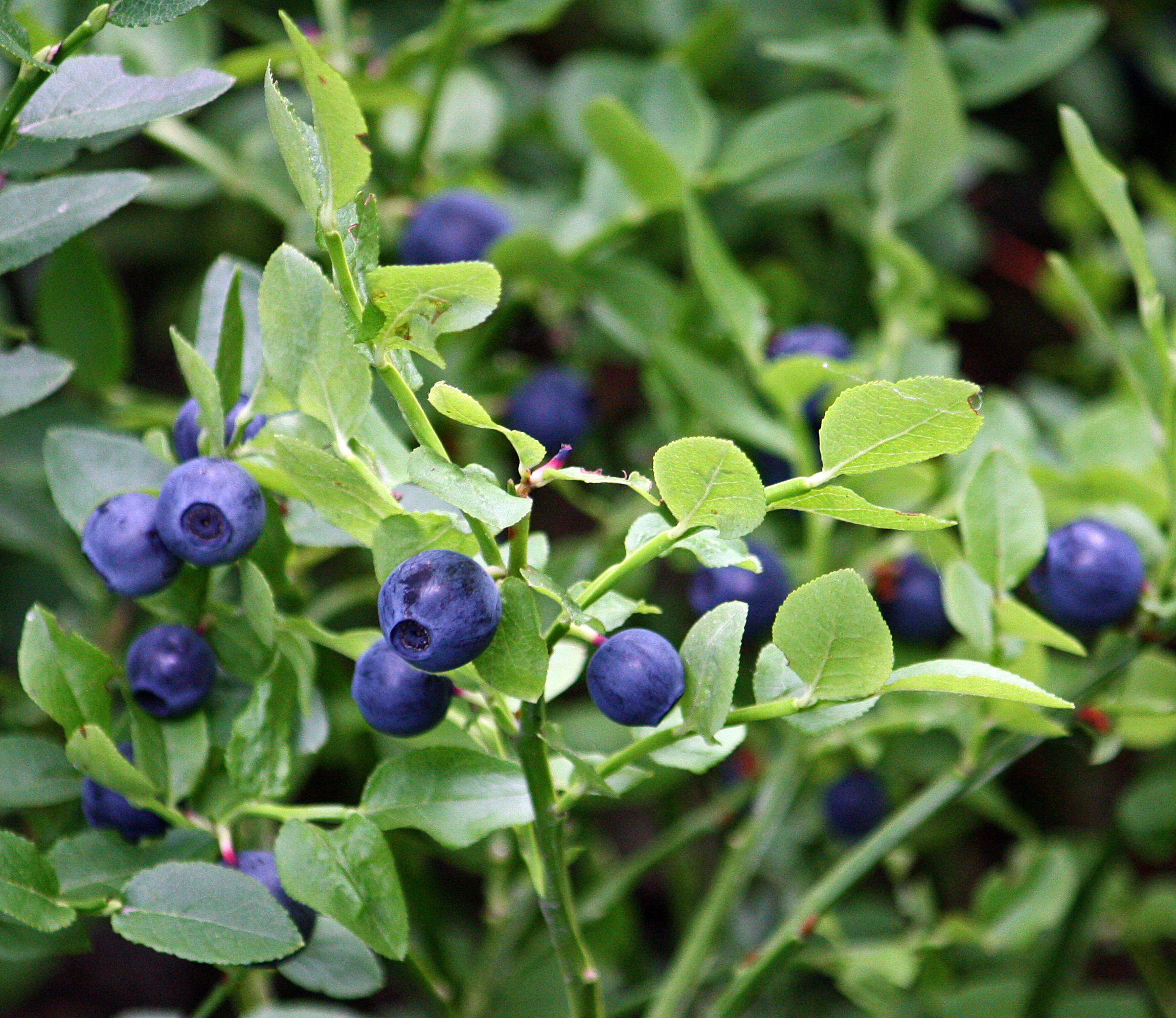
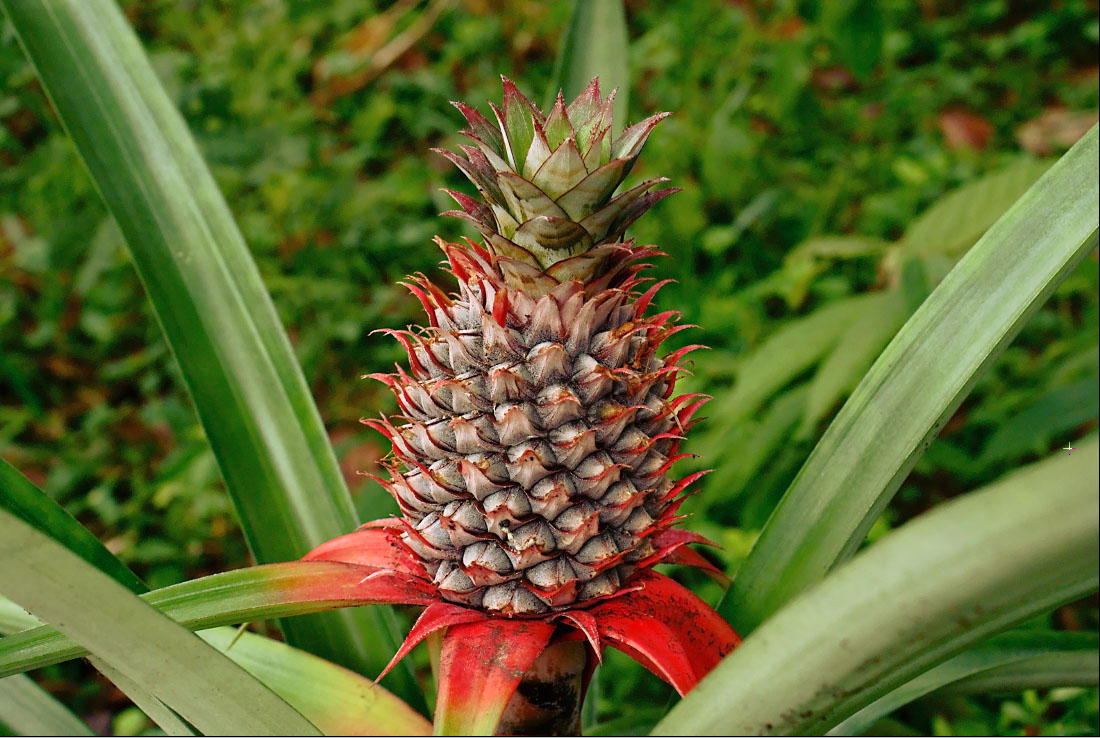
Foods containing this compound


Verified Data
Compound identity and culinary context are continuously cross-referenced across open scientific databases and maintained by Foodgeist's enrichment pipeline.
The Geist can be wrong. Some flavor, taste, and pairing values are model-predicted, not lab-measured.







![Wine [Red]](https://upload.wikimedia.org/wikipedia/commons/a/af/Red_and_white_wine_in_glass.jpg)


![Olive [Black], raw](https://upload.wikimedia.org/wikipedia/commons/8/84/Olivesfromjordan.jpg)