24-hydroxy-3-oxocholest-4-en-26-oyl-CoA
Molecular structure
Foods containing this compound


Spearmint or spear mint (Mentha spicata) is a species of mint native to much of Europe and southwest Asia, though its exact natural range is uncertain due to extensive early cultivation.
The nutmeg tree is any of several species of trees in genus Myristica. The most important commercial species is Myristica fragrans, an evergreen tree indigenous to the Banda Islands in the Moluccas (or Spice Islands) of Indonesia.


The common oat (Avena sativa) is a species of cereal grain grown for its seed, which is known by the same name (usually in the plural, unlike other grains). While oats are suitable for human consumption as oatmeal and rolled oats, one of the most common uses is as livestock feed.


Brosimum alicastrum, the breadnut or Maya nut, is a Brosimum tree species under the Moraceae family of flowering plants, whose other genera include fig and mulberries The plant is known by a range of names in indigenous Mesoamerican and other languages, including but not limited to: ramon,ojoche, ojite, ojushte, ujushte, ujuxte, capomo, mojo, ox, iximche, masica in Honduras, uje in Michoacan, and mojote in Jalisco. Two subspecies are commonly recognized: Brosimum alicastrum ssp. alicastrum Brosimum alicastrum ssp. bolivarense Distribution and habitat: The west coast of central Mexico, southern Mexico, Guatemala, El Salvador, the Caribbean, and the Amazon. Large stands in moist lowland tropical forests 300–2000 m elevation (especially 125–800 m), in humid areas where rainfall of 600–2000 mm, and average temperature 24 C / 75 F. The breadnut fruit disperses on the ground at different times throughout its range. It has a large seed covered by a thin, citrus-flavored orange-colored skin favored by a number of forest creatures. More important, the large seed which is enveloped by the tasty skin is an edible ‘nut’ that can be boiled or dried and ground into a meal for porridge or flatbread. Breadnut is nutritious and has value as a food source, and formed a part of the diet of the pre-Columbian Maya of the lowlands region in Mesoamerica, although to what extent has been a matter of some debate among Maya historians and archaeologists. It was planted by the Maya civilization two thousand years ago and it has been claimed in several articles by Dennis E. Puleston to have been a staple food in the Maya diet, although other research has downplayed its significance. In the modern era it has been marginalized as a source of nutrition and has often been characterized as a famine food. The breadnut is extremely high in fiber, calcium, potassium, folic acid, iron, zinc, protein and B vitamins. It has a low glycemic index (<50) and is very high in antioxidants. The fresh seeds can be cooked and eaten or can be set out to dry in the sun to roast and eaten later. Stewed the nut tastes like mashed potato, roasted it tastes like chocolate or coffee and can be prepared in numerous other dishes. In Petén, Guatemala, the breadnut is being cultivated for exportation and local consumption as powder, for hot beverages, and bread. The tree can reach up to 45 meters (130 feet). The tree lends its name to the Maya archaeological sites of Iximché and Topoxte, both in Guatemala and also of Tamuin (reflecting the Maya origin of the Huastec peoples). It is one of the twenty dominant species of the Maya forest. Of the dominant species, it is the only one that is wind-pollinated. It is also found in traditional Maya forest gardens.
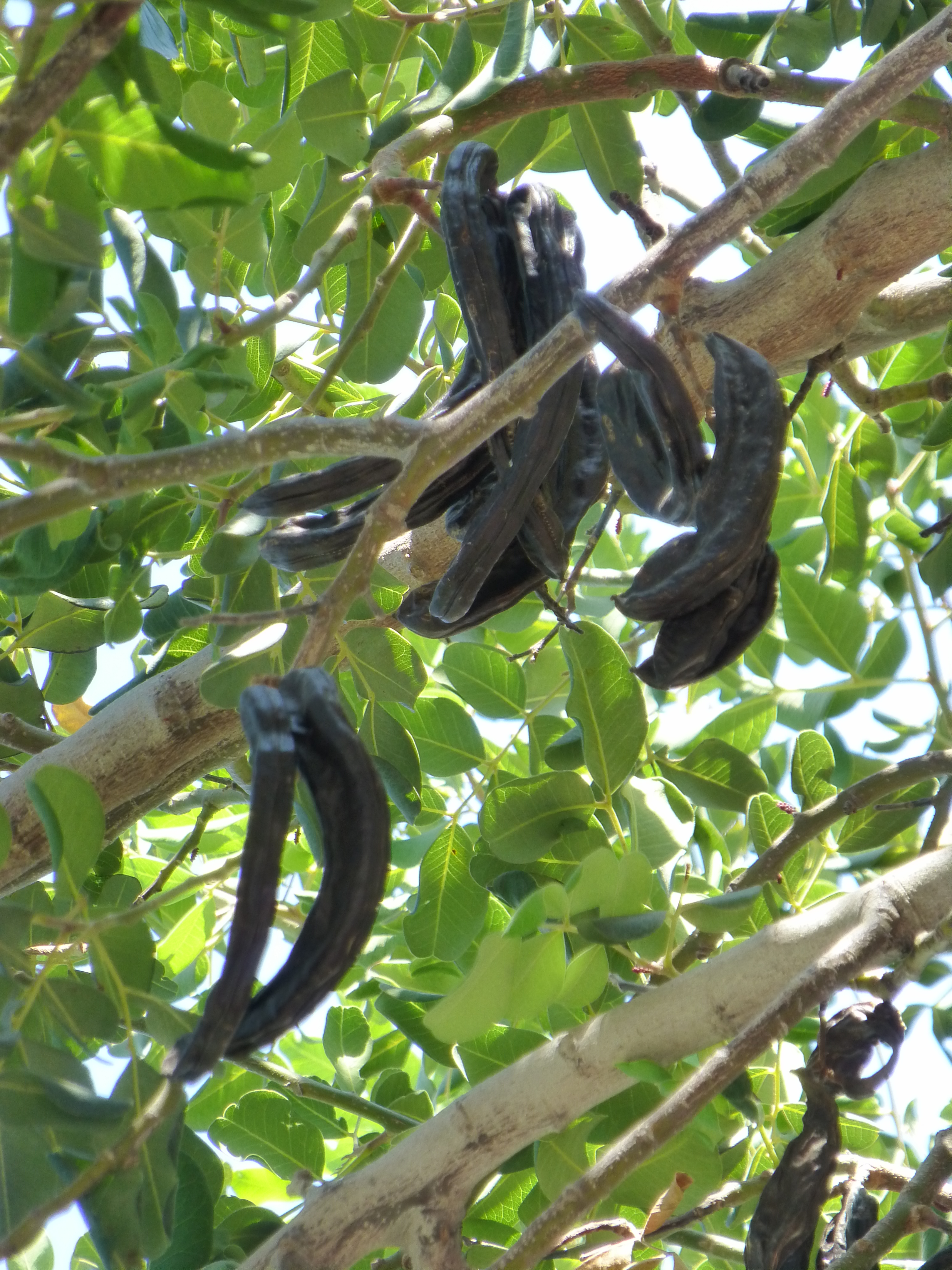
Ceratonia siliqua, commonly known as the carob tree and St John's-bread, is a species of flowering evergreen shrub or tree in the pea family, Fabaceae. It is widely cultivated for its edible pods, and as an ornamental tree in gardens. The ripe, dried pod is often ground to carob powder which is used as a substitute for cocoa powder.
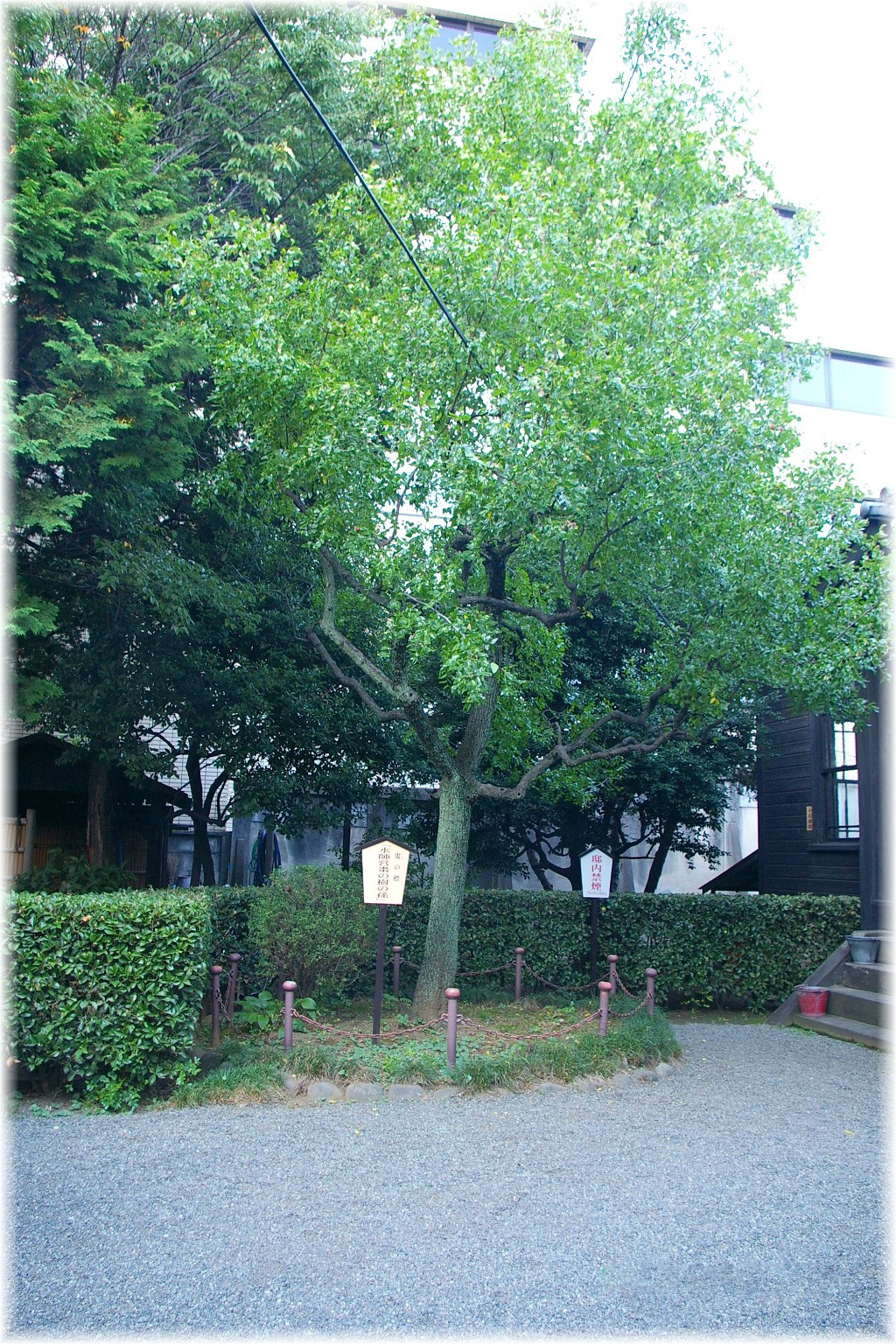
Ziziphus jujuba (from Greek ζίζυφον, zízyphon), commonly called jujube (sometimes jujuba), red date, Chinese date, Korean date, or Indian date is a species of Ziziphus in the buckthorn family (Rhamnaceae), used primarily as a shade tree that also bears fruit.

Kelps are large seaweeds (algae) belonging to the brown algae (Phaeophyceae) in the order Laminariales. There are about 30 different genera.
Capsicum frutescens is a species of chili pepper that is sometimes considered to be part of the species Capsicum annuum. Pepper cultivars in Capsicum frutescens can be annual or short-lived perennial plants. Flowers are white with a greenish white or greenish yellow corolla, and are either insect- or self-pollinated. The plants' berries typically grow erect; ellipsoid-conical to lanceoloid shaped. They are usually very small and pungent, growing 10?20mm long and 3?7mm in diameter. Fruit typically grows a pale yellow and matures to a bright red, but can also be other colors. C. frutescens has a smaller variety of shapes compared to other Capsicum species, likely because of the lack of human selection. More recently, however, C. frutescens has been bred to produce ornamental strains, because of its large quantities of erect peppers growing in colorful ripening patterns.
Quinoa, a species of goosefoot, is a grain-like crop grown primarily for its edible seeds. It is a pseudocereal rather than a true cereal, or grain, as it is not a member of the true grass family. As a chenopod, quinoa is closely related to species such as beets, spinach and tumbleweeds.
Watermelon (Citrullus lanatus, family Cucurbitaceae) is a vine-like (scrambler and trailer) flowering plant originally from southern Africa. Its fruit, which is also called watermelon, is a special kind referred to by botanists as a pepo, a berry which has a thick rind and fleshy center (mesocarp and endocarp). Pepos are derived from an inferior ovary, and are characteristic of the Cucurbitaceae. The watermelon fruit, loosely considered a type of melon – although not in the genus Cucumis – has a smooth exterior rind (green, yellow and sometimes white) and a juicy, sweet interior flesh (usually deep red to pink, but sometimes orange, yellow and even green if not ripe).

The pomelo (Citrus maxima or Citrus grandis), pummelo, pommelo, or shaddock is a crisp citrus fruit native to South and Southeast Asia. It is usually pale green to yellow when ripe, with sweet white (or, more rarely, pink or red) flesh and very thick albedo (rind pith). It is the largest citrus fruit, 15–25 centimetres ( ) in diameter, and usually weighing 1–2 kilograms ( ).
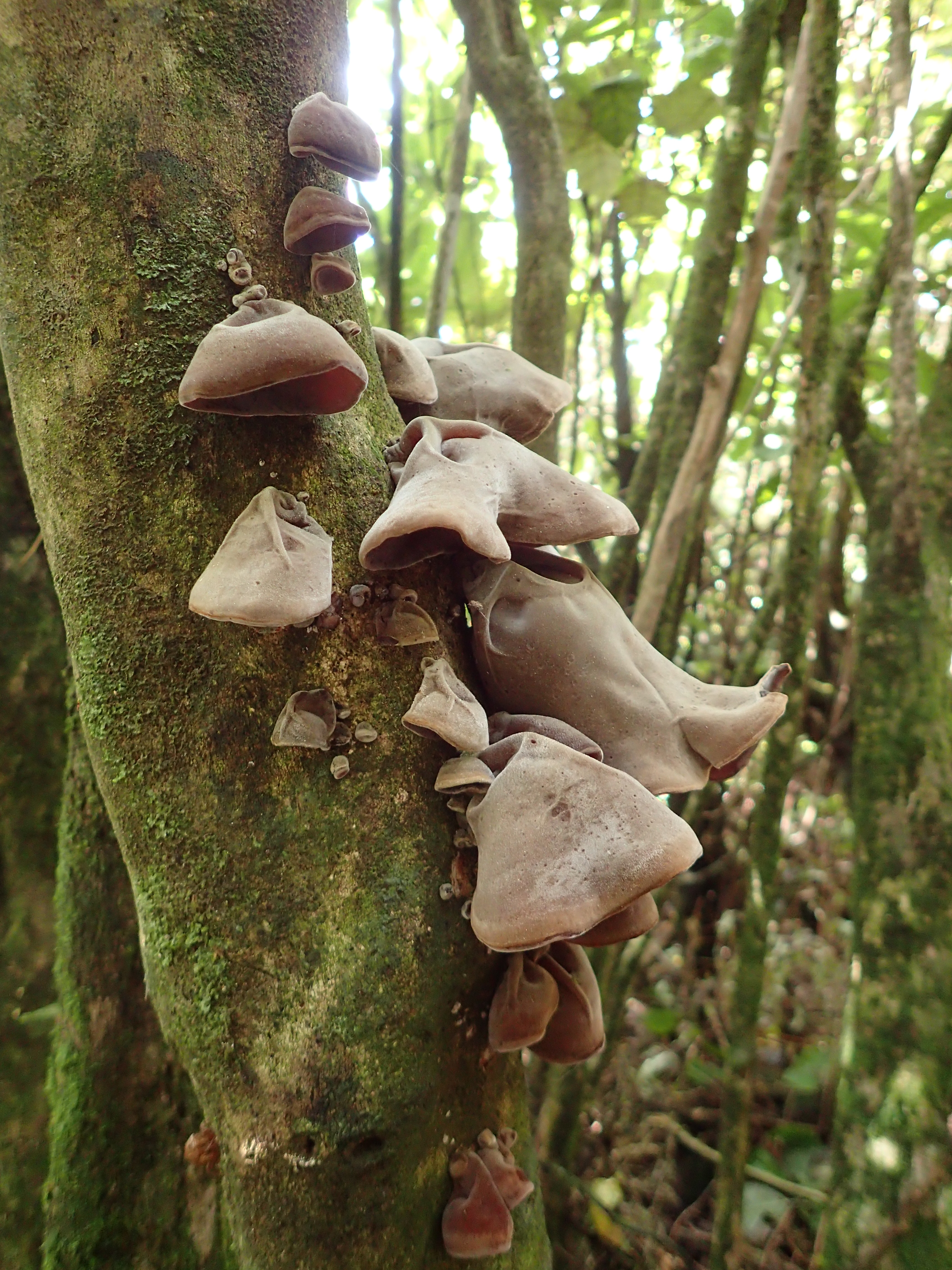
Cloud ear fungus (Auricularia polytricha, syn. Hirneola polytricha) is an edible jelly fungus. It is gray-brown in color and often used in Asian cooking.

The orange (specifically, the sweet orange) is the fruit of the citrus species Citrus × sinensis in the family Rutaceae.The fruit of the Citrus sinensis is considered a sweet orange, whereas the fruit of the Citrus aurantium is considered a bitter orange. The orange is a hybrid, possibly between pomelo (Citrus maxima) and mandarin (Citrus reticulata), which has been cultivated since ancient times.


The quince (Cydonia oblonga) is the sole member of the genus Cydonia in the family Rosaceae (which also contains apples and pears, among other fruits). It is a small deciduous tree that bears a pome fruit, similar in appearance to a pear, and bright golden-yellow when mature. Throughout history the cooked fruit has been used as food, but the tree is also grown for its attractive pale pink blossom and other ornamental qualities.
Canola refers to a cultivar of either Rapeseed (Brassica napus L.) or field mustard (Brassica campestris L. or Brassica Rapa var.). Its seeds are used to produce edible oil suitable for consumption by humans and livestock. Originally, Canola was bred naturally from rapeseed in Canada by Keith Downey and Baldur R. Stefansson in the early 1970s, but it has a very different nutritional profile in addition to much less erucic acid. The name "canola" was derived from "Canadian oil, low acid" in 1978. [Wikipedia]
The soybean (US) or soya bean (UK) (Glycine max) is a species of legume native to East Asia, widely grown for its edible bean which has numerous uses. The plant is classed as an oilseed rather than a pulse by the UN Food and Agricultural Organization (FAO). Fat-free (defatted) soybean meal is a significant and cheap source of protein for animal feeds and many prepackaged meals; soy vegetable oil is another product of processing the soybean crop. For example, soybean products such as textured vegetable protein (TVP) are ingredients in many meat and dairy analogues. Soybeans produce significantly more protein per acre than most other uses of land. Traditional nonfermented food uses of soybeans include soy milk, and from the latter tofu and tofu skin. Fermented foods include soy sauce, fermented bean paste, natto, and tempeh, among others. The oil is used in many industrial applications. The main producers of soy are the United States (35%), Brazil (27%), Argentina (19%), China (6%) and India (4%). The beans contain significant amounts of phytic acid, alpha-linolenic acid, and isoflavones.
Sunflower (Helianthus annuus) is an annual plant native to the Americas. It possesses a large inflorescence (flowering head), and its name is derived from the flower's shape and image, which is often used to depict the sun. The plant has a rough, hairy stem, broad, coarsely toothed, rough leaves and circular heads of flowers. The heads consist of many individual flowers which mature into seeds, often in the hundreds, on a receptacle base. From the Americas, sunflower seeds were brought to Europe in the 16th century, where, along with sunflower oil, they became a widespread cooking ingredient. Leaves of the sunflower can be used as cattle feed, while the stems contain a fibre which may be used in paper production.
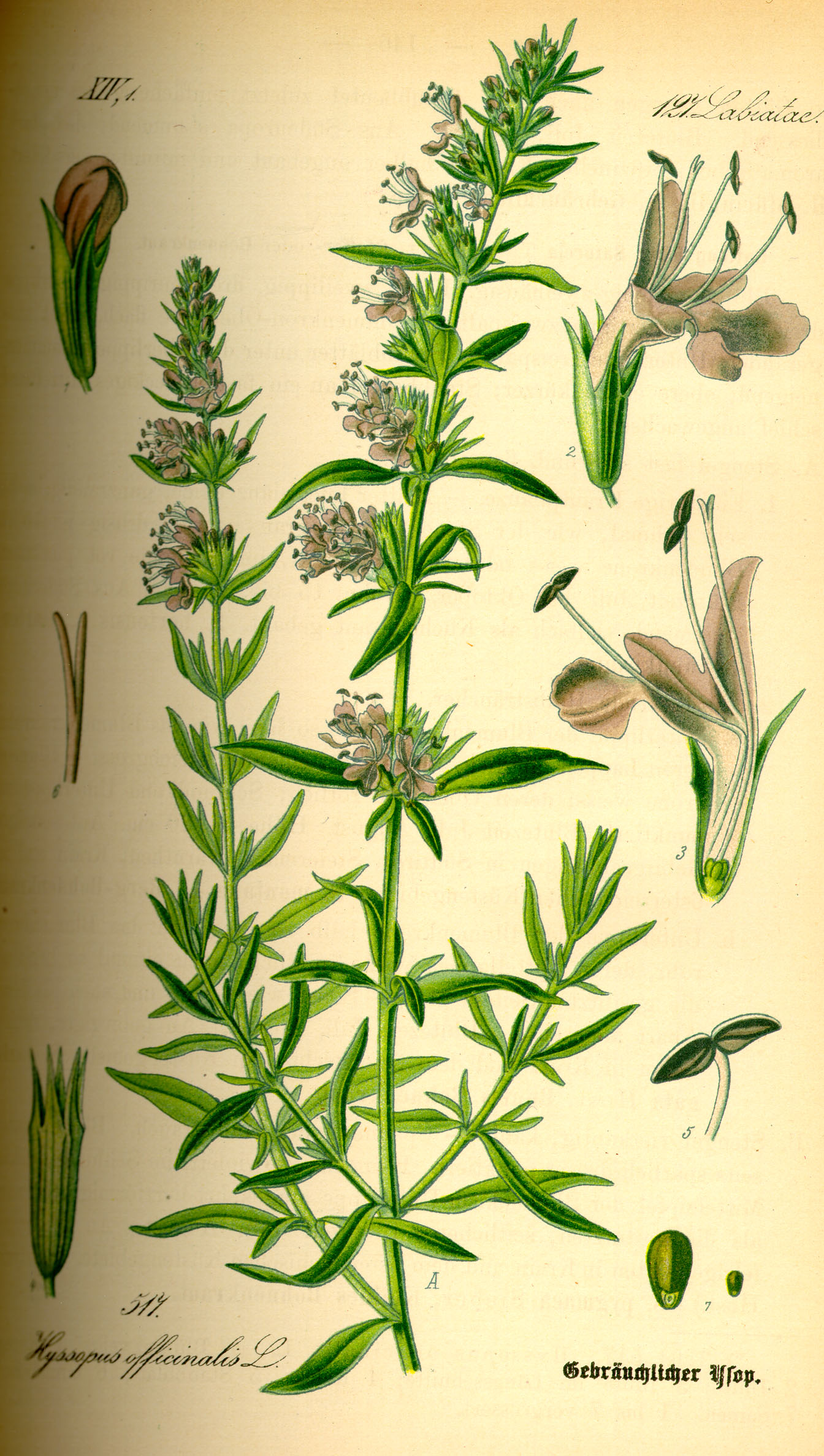
Hyssopus officinalis, hyssop is a herbaceous plant of the genus Hyssopus native to Southern Europe, the Middle East, and the region surrounding the Caspian Sea. Due to its properties as an antiseptic, cough reliever, and expectorant, it is commonly used as an aromatic herb and medicinal plant.

Yellow bell peppers are members of the domesticated plant species <i>Capsicum annuum</i>. Green, yellow, orange and red bell peppers all belong to the same species, with the differences arising from the time at which they are harvested. Green bell peppers are bell peppers that have been harvested early. Yellow and orange bell peppers have been allowed more time to ripen, and red bell peppers are the most mature. <i>Capsicum annuum</i> is a domesticated species of the plant genus <i>Capsicum</i> native to southern North America and northern South America. The three species <i>C. annuum</i>, <i>C. frutescens</i> and <i>C. chinense</i> all evolved from a single common ancestor located somewhere in the northwest Brazil - Colombia area. <i>Capsicum annuum</i> is the most common and extensively cultivated of the five domesticated capsicums. The species is a source of popular "sweet peppers":http://en.wikipedia.org/wiki/Bell_peppers and "hot chilis":http://en.wikipedia.org/wiki/Chili_pepper with numerous varieties cultivated all around the world. In American English the plant is commonly known as a chili pepper or bell pepper. In British English, the sweet varieties are called red or green peppers and the hot varieties chillies, whereas in Australian and Indian English the name capsicum is commonly used for bell peppers exclusively and chilli is often used to encompass the hotter varieties. [Wikipedia] See a "list of capsicum cultivars":http://en.wikipedia.org/wiki/List_of_Capsicum_cultivars.

Yellow Wax beans are a member of the <i>Fabaceae</i> family, along with common beans, pulses and peas. "Yellow Wax" is a given name to dozens of wax bush bean varieties that individually simply happen to have different shades of yellow in appearance and variance in waxiness depending on the cultivar. Yellow Wax beans are nearly identical to Green beans in all aspects except for color. One of the most famous heritage Yellow Wax bean varieties is the Beurre De Rocquencourt Bush Wax bean, named for the rich farming region, Rocquencourt, France. It is the single most responsible bean for catalysing the popularity of the Wax bean within the 20th century. Yellow Wax beans' ancestors are native to Central and South America. Many Yellow Wax bean varieties, though, were first introduced to their respective culinary regions from Algeria. The Algerian Wax bean is responsible for the development of several varieties of Wax beans from the 18th to the 20th Century. It is considered the oldest known cultivar still in production. (http://www.specialtyproduce.com/produce/Yellow_Wax_Beans_602.php)

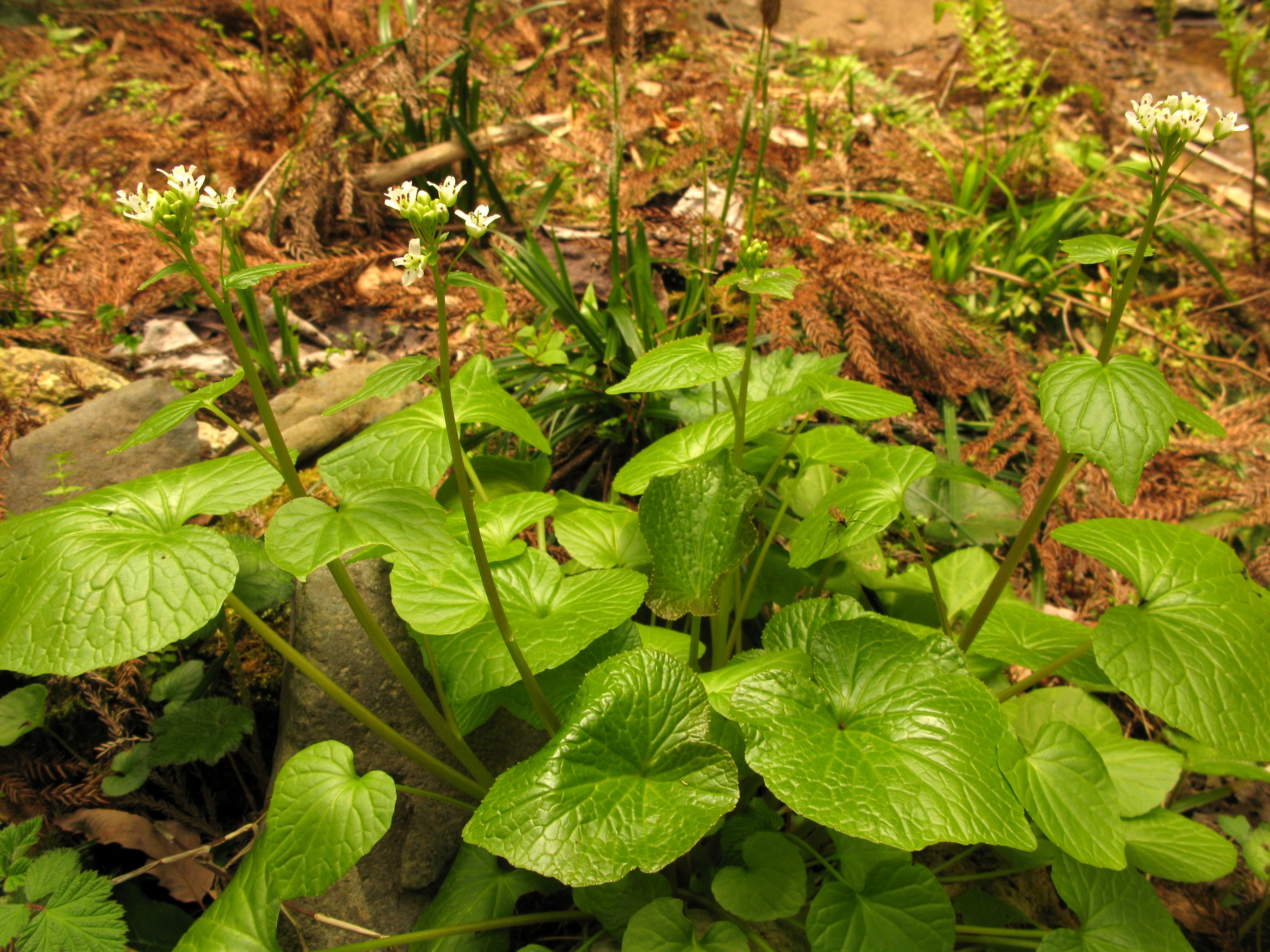

seed of Vigna unguiculata subsp. unguiculata

fruit from Gaylussacia baccata
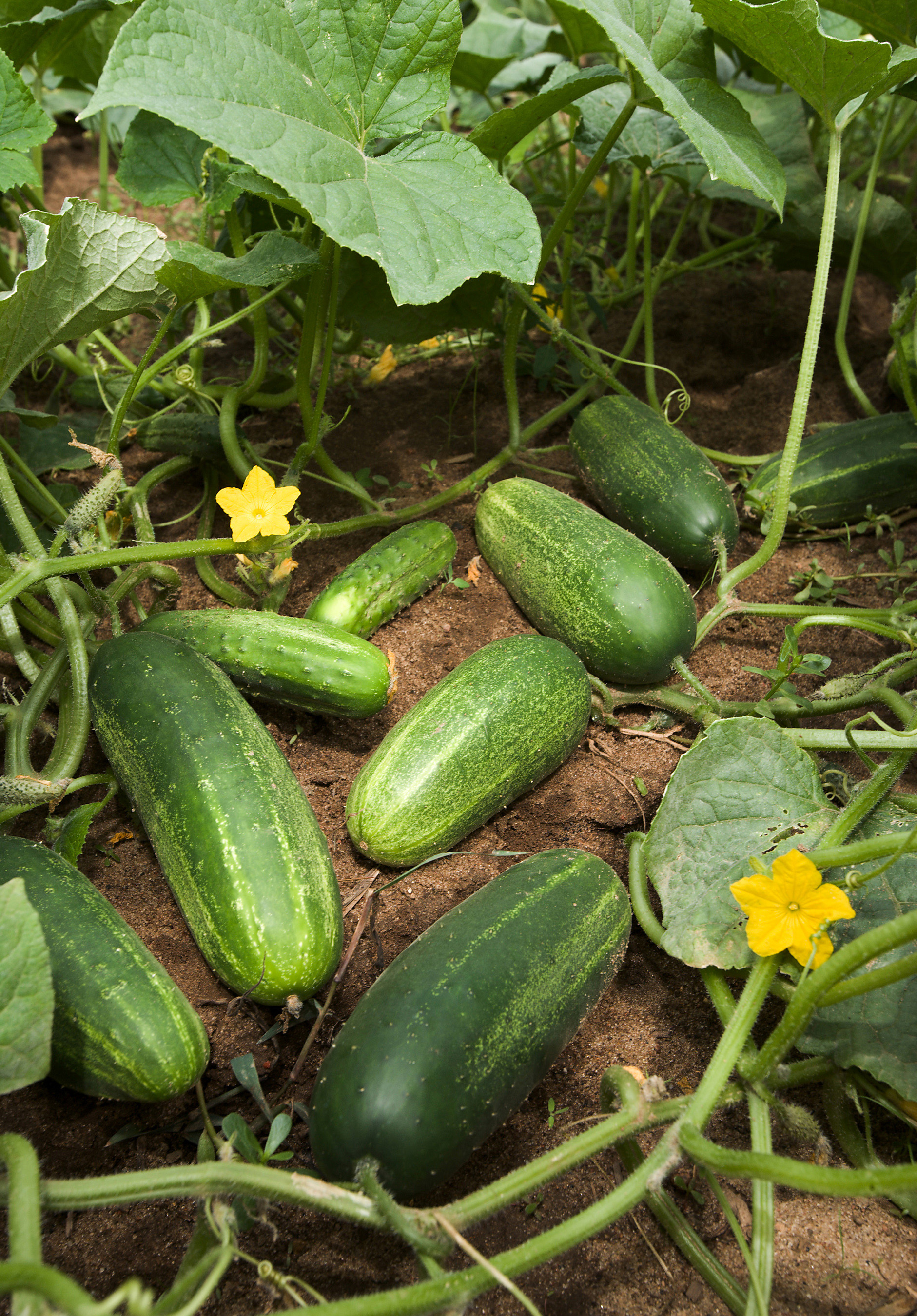
fruit used as vegetable

herb
seeds of Vigna aconitifolia

cactus pad

seed from Canarium ovatum

Rice that is naturally a red color

type of rice

fruit from Sechium edule

fruit from Vaccinium corymbosum

fruit of kumquat trees

seed from Phaseolus lunatus

Type of fermented bread

Species of plant in the carrot family
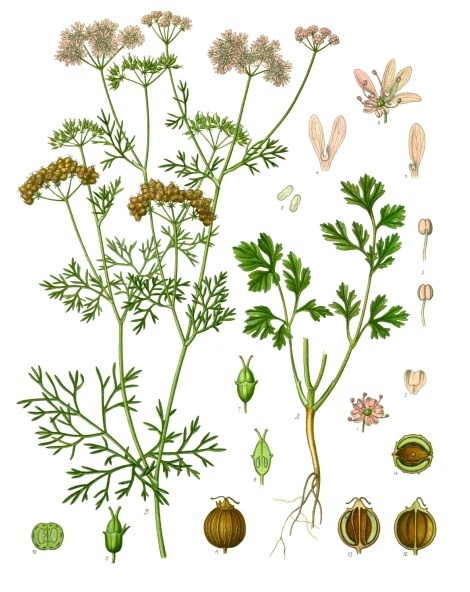
Annual herb

Species of flowering plant in the celery family Apiaceae
Verified Data
Compound identity and culinary context are continuously cross-referenced across open scientific databases and maintained by Foodgeist's enrichment pipeline.
The Geist can be wrong. Some flavor, taste, and pairing values are model-predicted, not lab-measured.