Molecular structure
acetic acid
Cooking relevance
Acetic acid (CH₃COOH, PubChem CID 176) is the primary organic acid in vinegars, responsible for their characteristic pungent sourness and preservative properties. It ranges from ~4% in distilled vinegar to ~6% in red wine and cider vinegars, and contributes to balsamic vinegar's complex tang. In cooking, acetic acid brightens dishes, balances sweetness, and aids in pickling and emulsification.
- aroma
- sharp · pungent · sour · slightly fruity undertones in aged vinegars
- culinary role
- primary acid in all vinegars; souring agent; preservative in pickling; flavor balancer
- mass spectra
- 31 experimental spectra
Mass spectrum
A real measured fragmentation pattern · 1 of 31 experimental spectra
Sensory signature
How this molecule tastes and smells · gold is measured, dashed is a model estimate
Receptor binding
Measured in literature · peer-reviewed · how this compound interacts with biological receptors
Research associations
Literature-derived · peer-reviewed sources only · not medical advice
Research papers
507 peer-reviewed papers reference this compound · top-cited shown
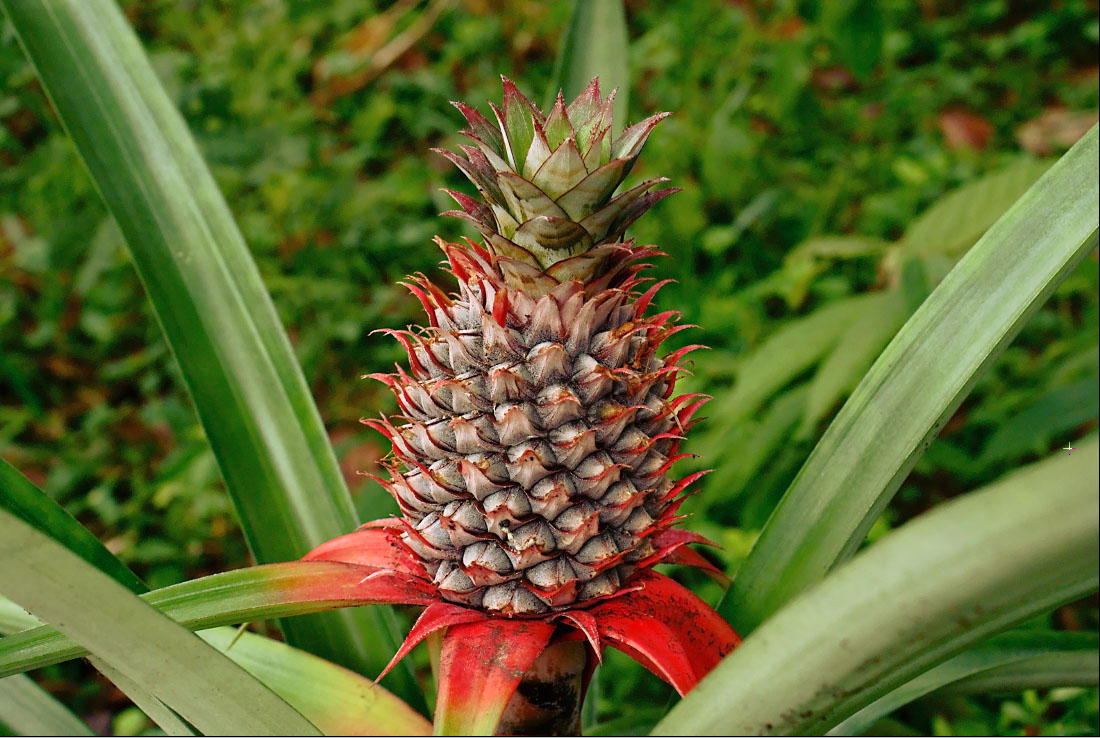
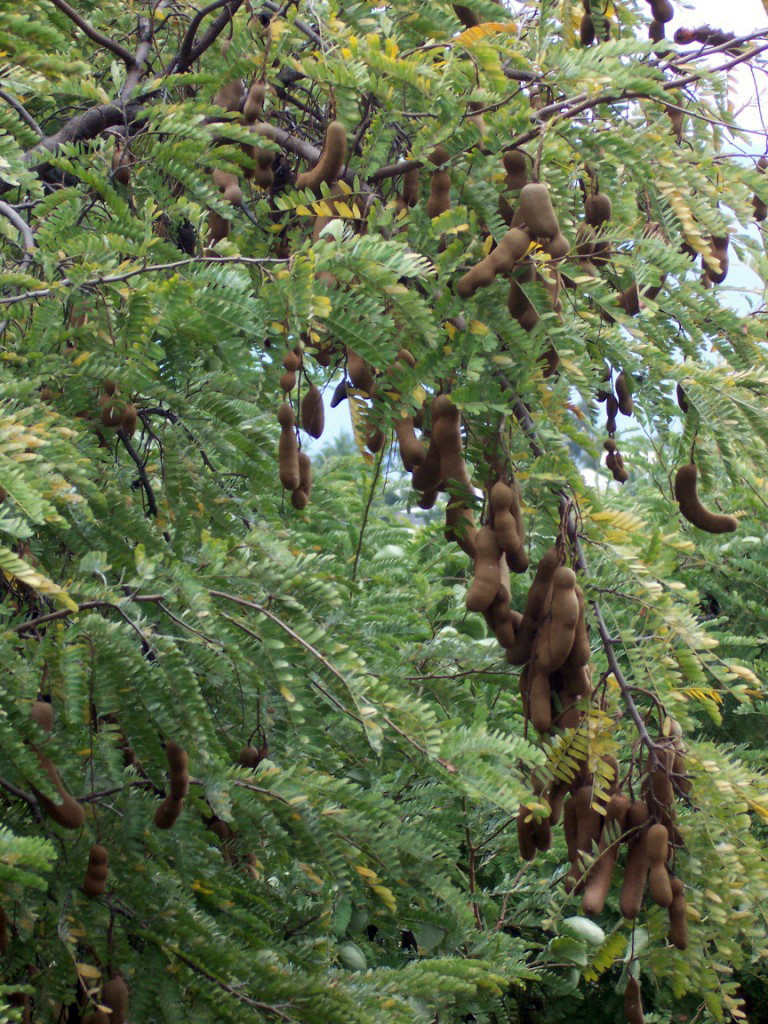
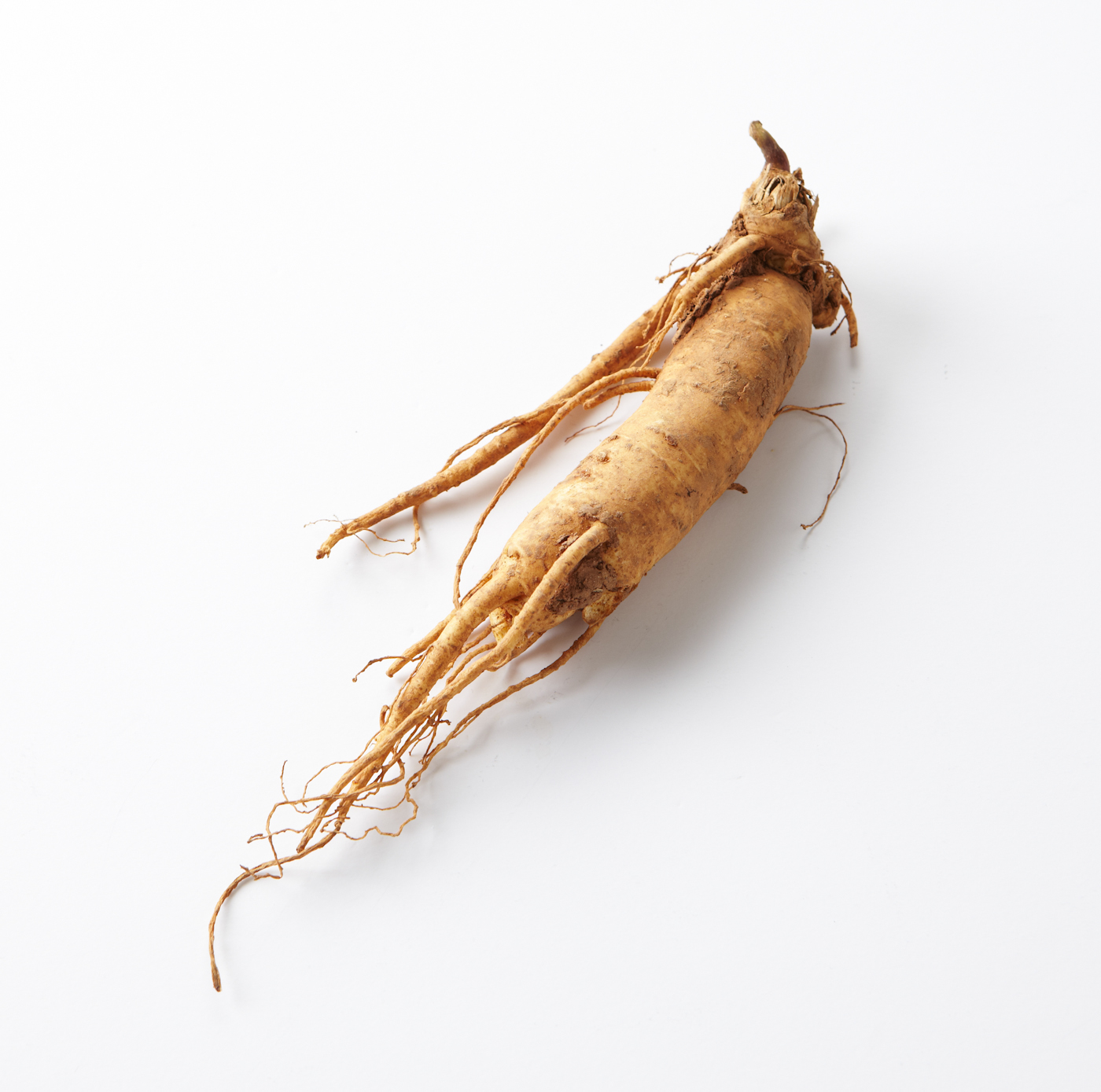
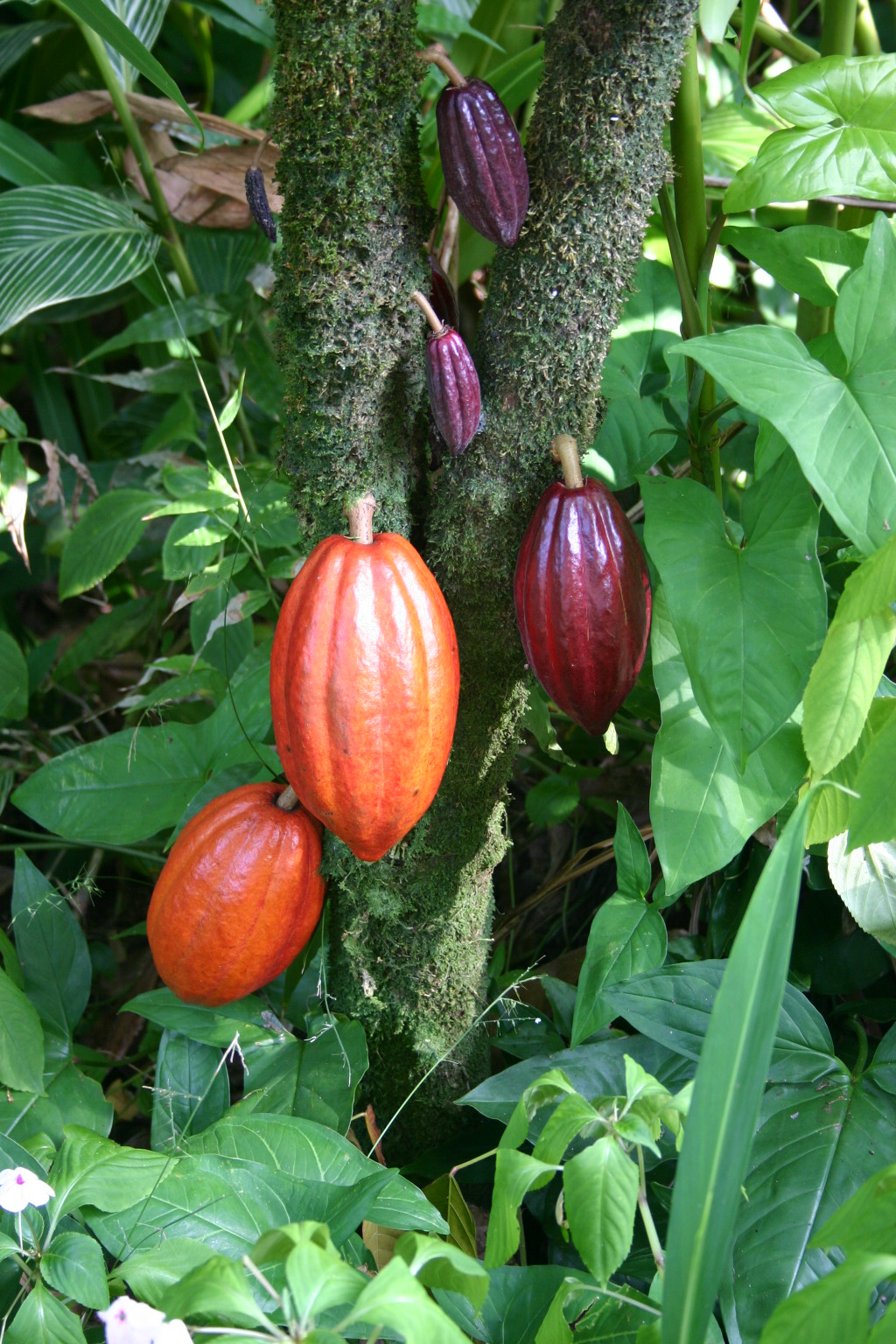
Foods containing this compound

Verified Data
Compound identity and culinary context are continuously cross-referenced across open scientific databases and maintained by Foodgeist's enrichment pipeline.
The Geist can be wrong. Some flavor, taste, and pairing values are model-predicted, not lab-measured.