1,3,3-trimethyl-2-oxabicyclo[2.2.2]octane
Molecular structure
Cooking relevance
1,3,3-trimethyl-2-oxabicyclo[2.2.2]octane (cineole, PubChem CID 2758) is a volatile bicyclic ether that contributes sharp, cooling sensations and herbaceous notes to culinary applications. Its characteristic eucalyptus-like aroma and pungent profile make it a defining aromatic compound in dishes where cineole is a primary ingredient, imparting distinctive minty and slightly camphoraceous flavors.
- aroma
- eucalyptus · cooling · herbaceous · camphoraceous · pungent
- culinary role
- primary volatile in cineole; imparts minty, cooling, herbaceous character
- mass spectra
- 14 experimental spectra
Mass spectrum
A real measured fragmentation pattern · 1 of 14 experimental spectra
Sensory signature
How this molecule tastes and smells · gold is measured, dashed is a model estimate
Receptor binding
Measured in literature · peer-reviewed · how this compound interacts with biological receptors
Research associations
Literature-derived · peer-reviewed sources only · not medical advice
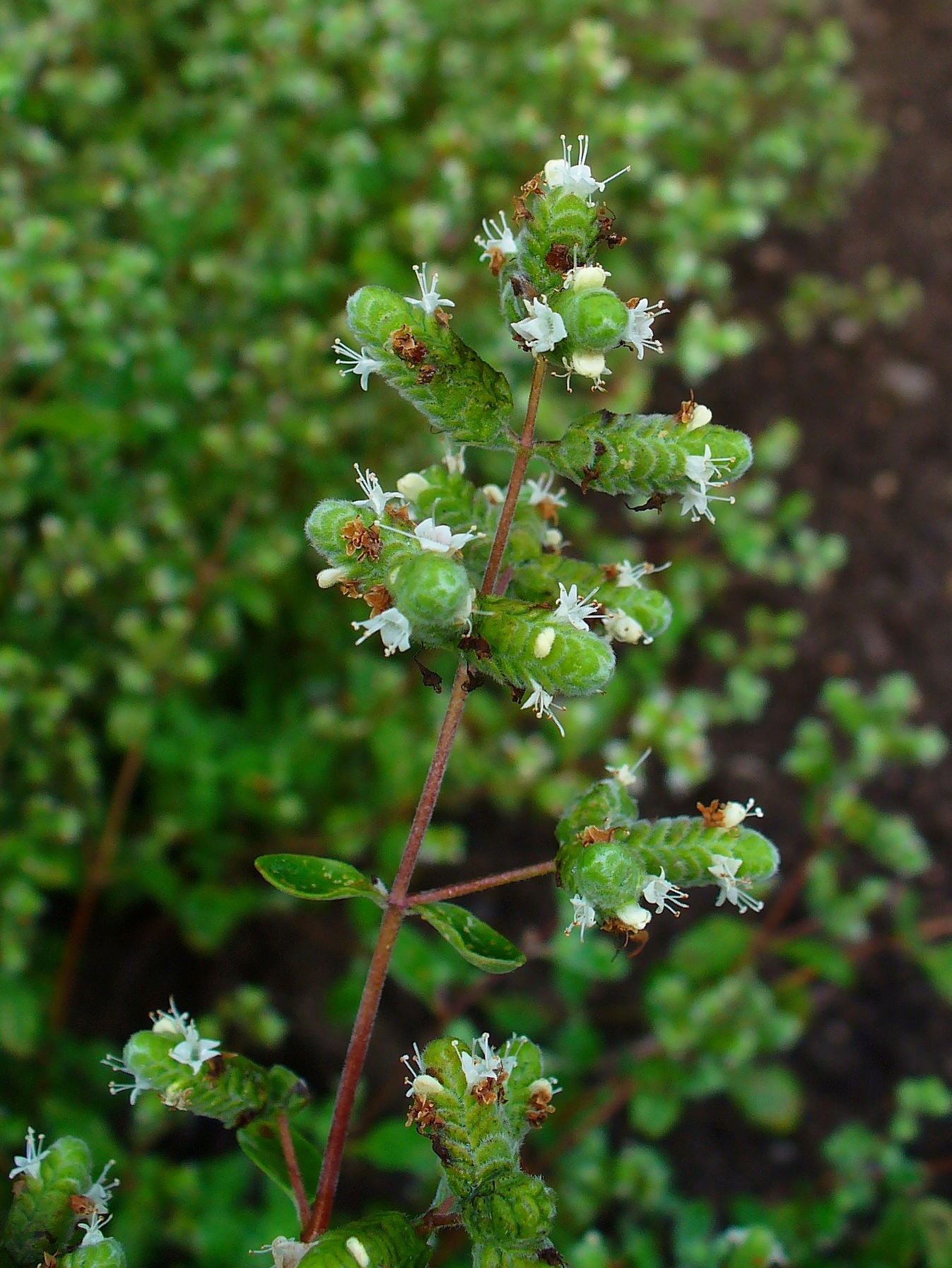
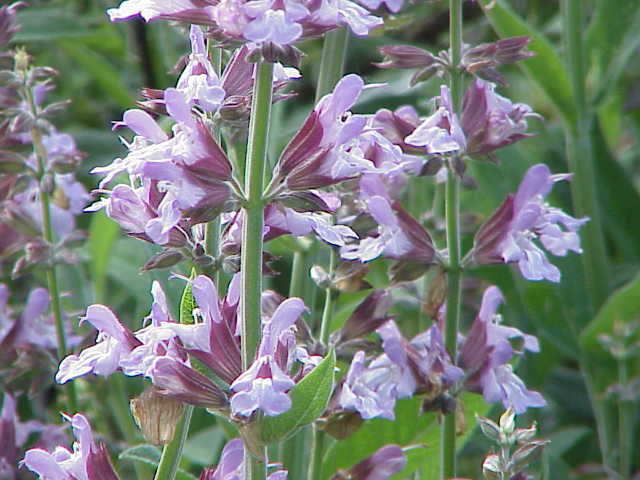
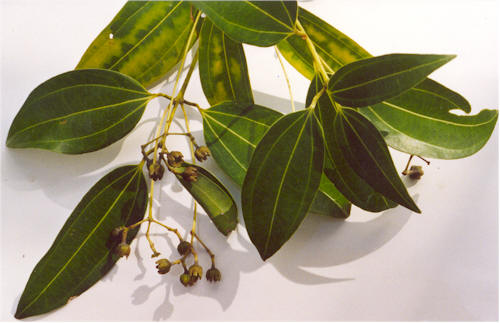
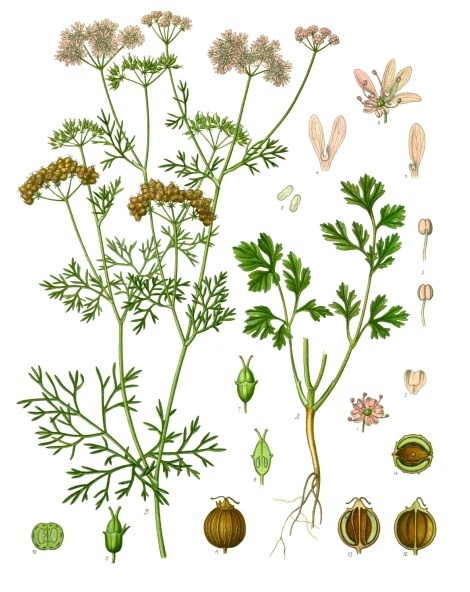
Foods containing this compound
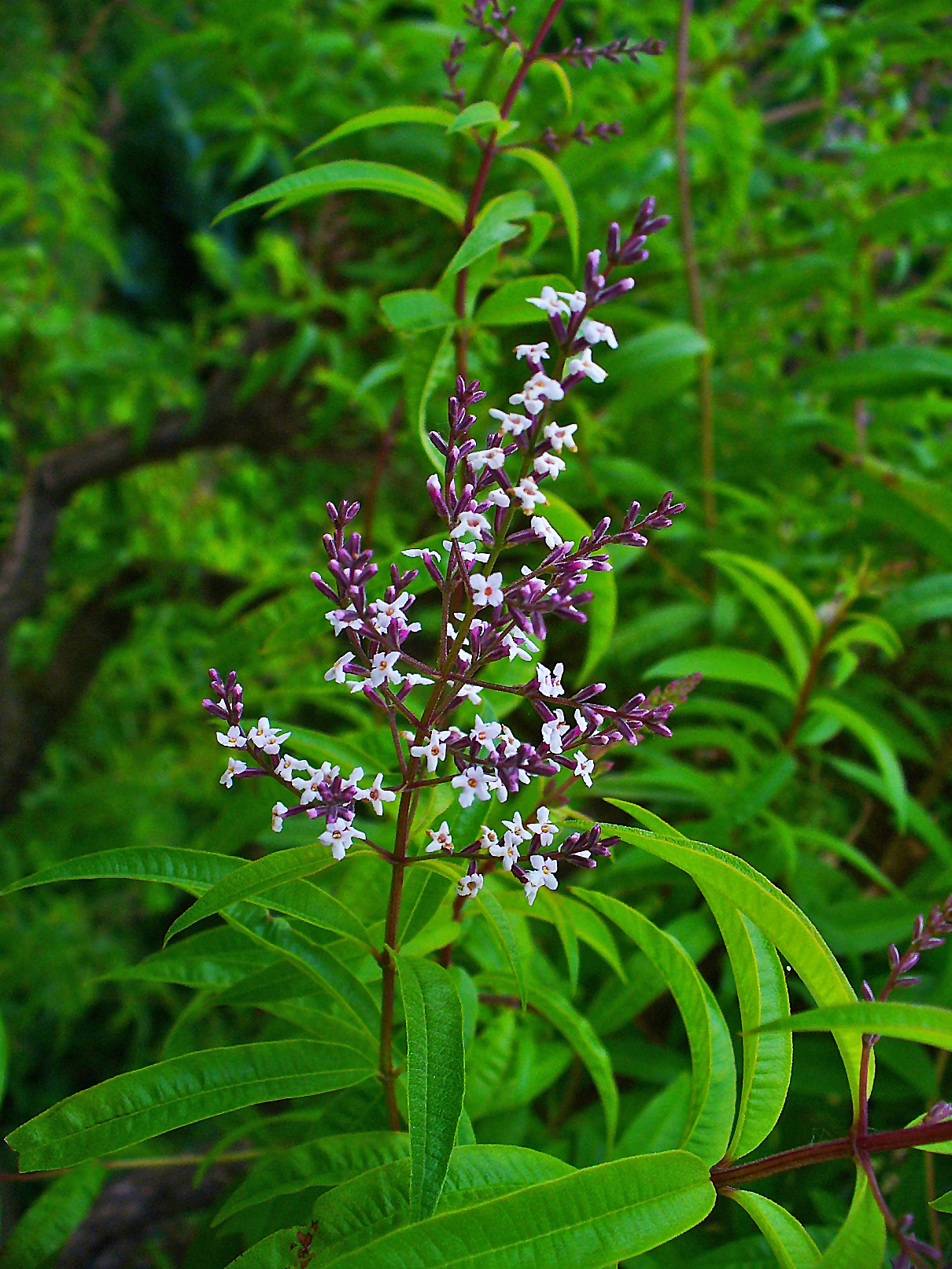
Aloysia citrodora is a species of flowering plant in the verbena family Verbenaceae, native to northwestern Argentina and southern Bolivia. Common names include lemon verbena and lemon beebrush. It was brought to Europe by the Spanish and the Portuguese in the 17th century.

Lovage , Levisticum officinale, is a tall perennial plant, the sole species in the genus Levisticum in the family Apiaceae, subfamily Apioideae, tribe Apieae.

Mentha citrata (Ehrh.) (syn. Mentha × piperita L. var. citrata (Ehrh.) Briq.; syn. Mentha aquatica var. citrata (Ehrh.) Benth.; syn. Mentha odorata Sole, Mentha adspersa Moench) is an herb. It is also known as Bergamot mint, Eau-de-cologne Mint, Horsemint, Lemon Mint, Lime Mint, Orange Mint, Pineapple Mint, Su Nanesi, Water Mint, Wild Water Mint, and in Central America Yerba Buena.
Verified Data
Compound identity and culinary context are continuously cross-referenced across open scientific databases and maintained by Foodgeist's enrichment pipeline.
The Geist can be wrong. Some flavor, taste, and pairing values are model-predicted, not lab-measured.