Molecular structure
catechol
Mass spectrum
A real measured fragmentation pattern · 1 of 125 experimental spectra
Sensory signature
How this molecule tastes and smells · gold is measured, dashed is a model estimate
Receptor binding
Measured in literature · peer-reviewed · how this compound interacts with biological receptors
Biochemical reactions
Metabolic reactions from curated biochemical databases · peer-reviewed
salicylate + NADH + O2 + 2 H(+) = catechol + CO2 + NAD(+) + H2O
anthranilate + NADPH + O2 + 3 H(+) = catechol + NH4(+) + CO2 + NADP(+)
anthranilate + NADH + O2 + 3 H(+) = catechol + NH4(+) + CO2 + NAD(+)
(1R,6S)-1,6-dihydroxycyclohexa-2,4-diene-1-carboxylate + NAD(+) = catechol + CO2 + NADH
Research associations
Literature-derived · peer-reviewed sources only · not medical advice
Foods containing this compound


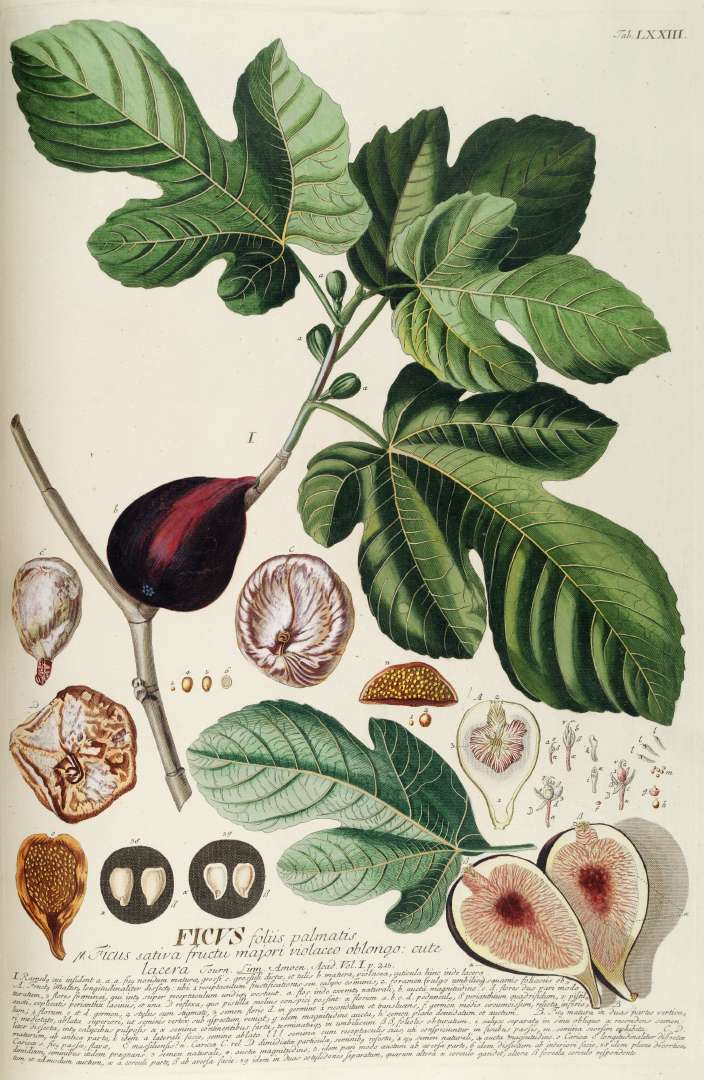
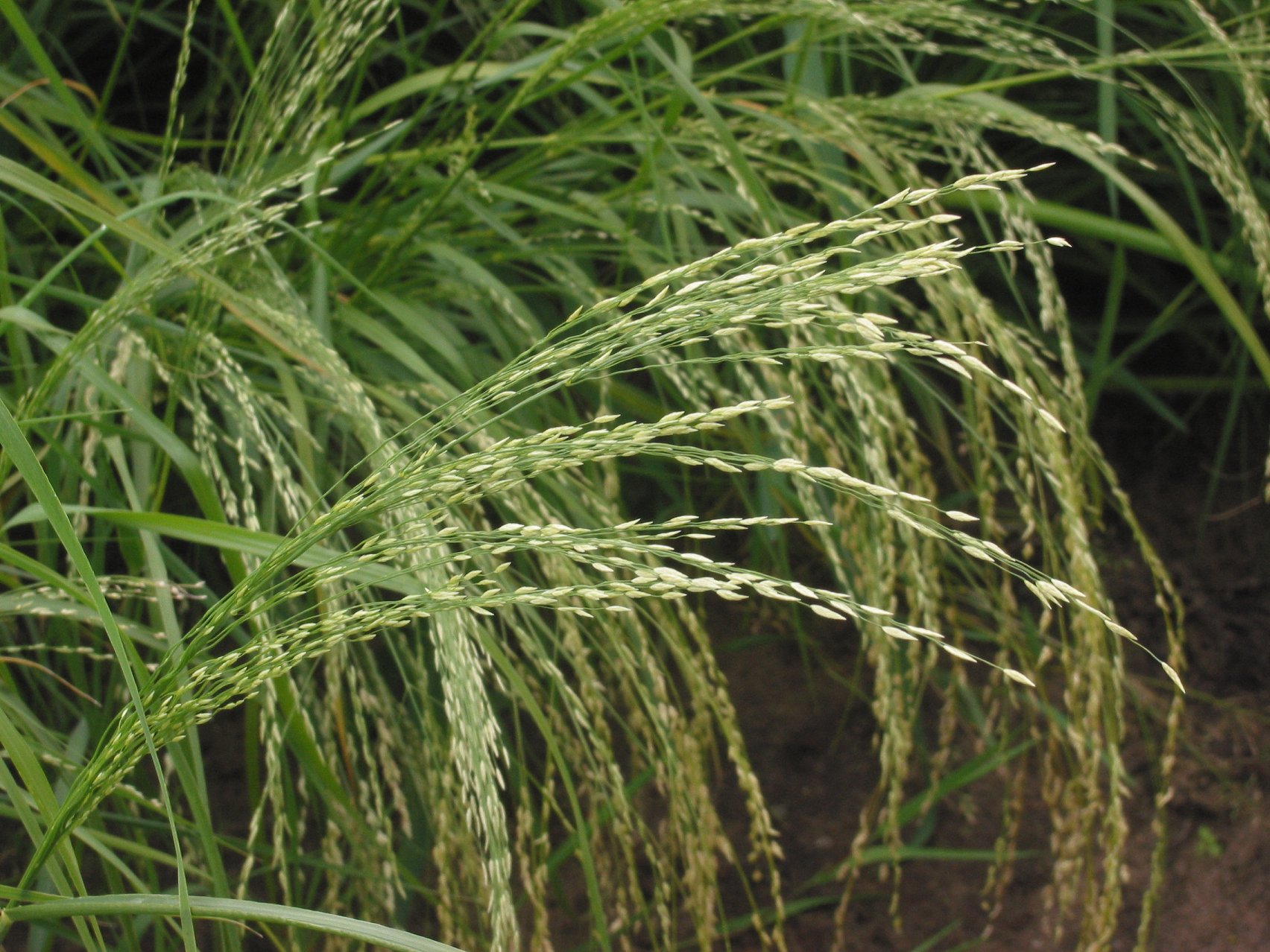
Flax (also known as common flax or linseed) is a member of the genus Linum in the family Linaceae. It is a food and fibre crop that is grown in cooler regions of the world. Flax fibres are taken from the stem of the plant and are two to three times as strong as those of cotton. As well, flax fibres are naturally smooth and straight. Europe and North America depended on flax for cloth until the nineteenth century, when cotton overtook flax as the most common plant used for making linen paper. Flax is grown on the Canadian Praires for linseed oil, which is used as a drying oil in paints and varnish and in products such as linoleum and printing inks. It is native to the region extending from the eastern Mediterranean to India and was probably first domesticated in the Fertile Crescent. Flax was extensively cultivated in ancient Ethiopia and ancient Egypt. A discovery reported in 2009 of spun, dyed, and knotted wild flax fibers in a prehistoric cave in the Republic of Georgia shows that the plant was already in use by humans at the surprisingly early date of 30,000 B.C. New Zealand flax is not related to flax but was named after it, as both plants are used to produce fibers.

Verified Data
Compound identity and culinary context are continuously cross-referenced across open scientific databases and maintained by Foodgeist's enrichment pipeline.
The Geist can be wrong. Some flavor, taste, and pairing values are model-predicted, not lab-measured.