Molecular structure
alpha-Humulene
Foods containing this compound



Angelica is a genus of about 60 species of tall biennial and perennial herbs in the family Apiaceae, native to temperate and subarctic regions of the Northern Hemisphere, reaching as far north as Iceland and Lapland. They grow to 1–3 m tall, with large bipinnate leaves and large compound umbels of white or greenish-white flowers. Some species can be found in purple moor and rush pastures.
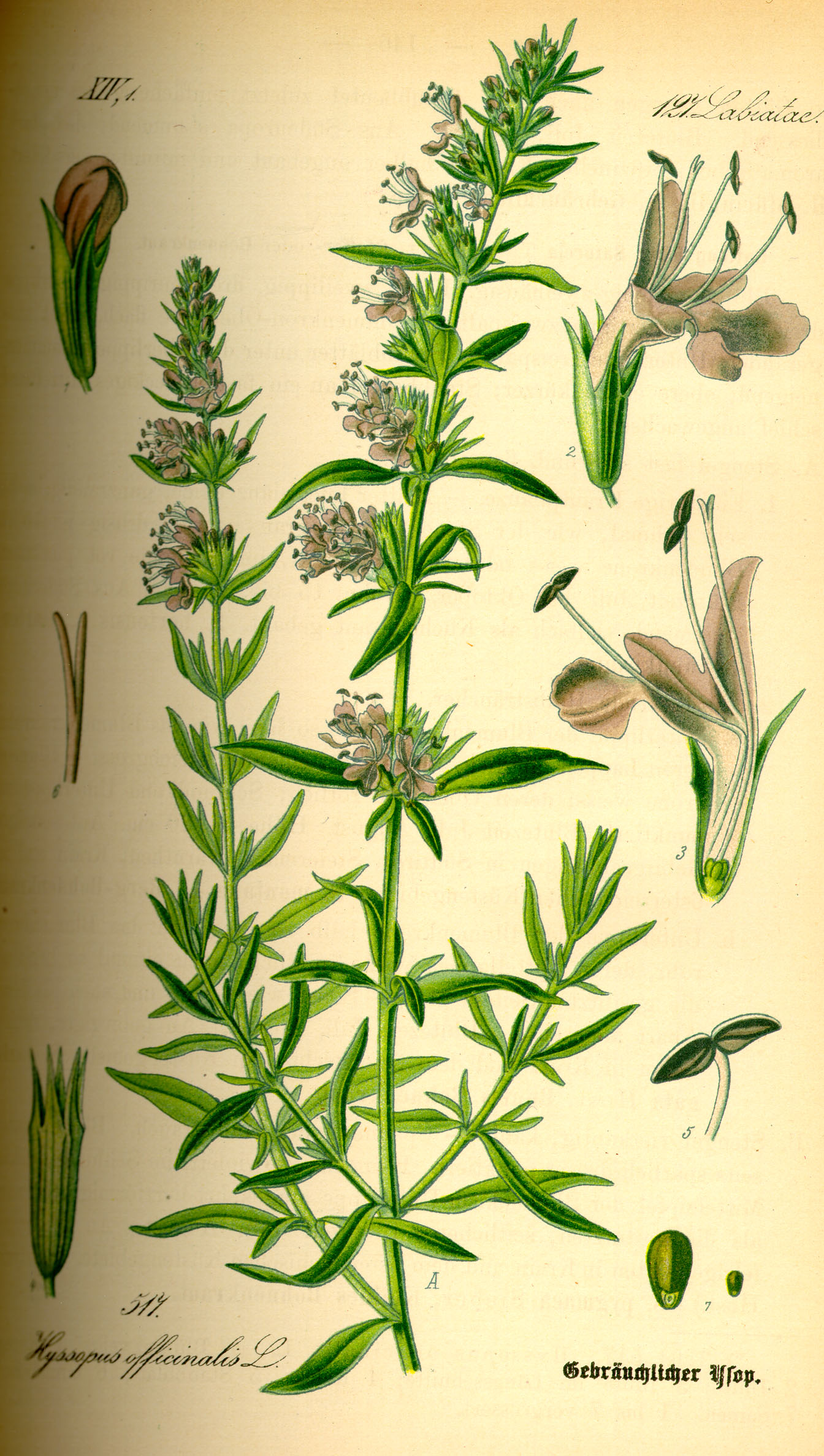
Hyssopus officinalis, hyssop is a herbaceous plant of the genus Hyssopus native to Southern Europe, the Middle East, and the region surrounding the Caspian Sea. Due to its properties as an antiseptic, cough reliever, and expectorant, it is commonly used as an aromatic herb and medicinal plant.

Illicium verum, commonly called Star anise, star aniseed, or Chinese star anise is a spice that closely resembles anise in flavor, obtained from the star-shaped pericarp of Illicium verum, a medium-sized native evergreen tree of northeast Vietnam and southwest China. The star shaped fruits are harvested just before ripening.


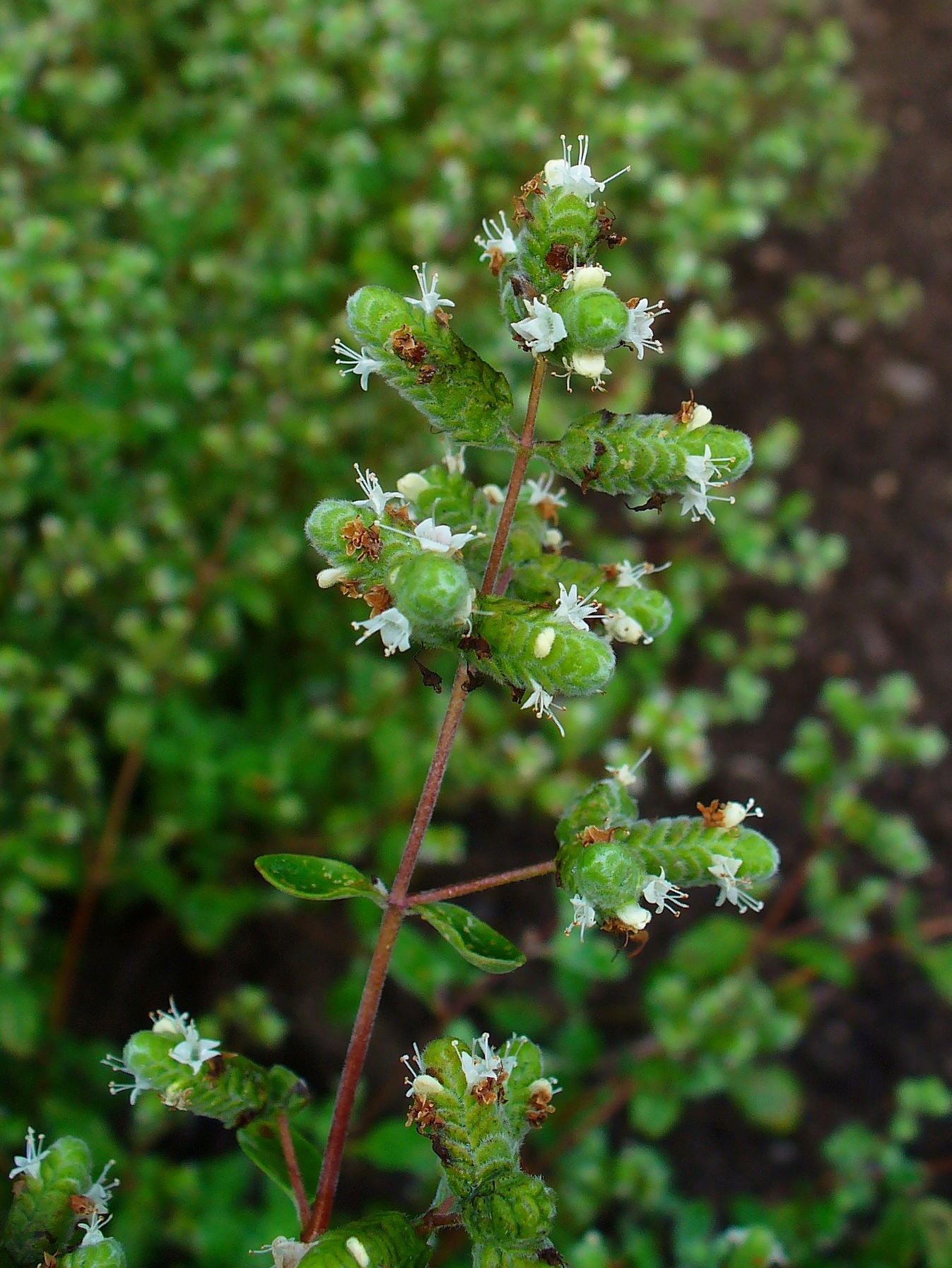


cocktail
cocktail
leaf, stem, and flowering top of Nepeta cataria
herb from Mentha spicata

molded meat gelatin dish
a fragrant, dark and resinous wood used in incense, perfume, and small hand carvings, formed in the heartwood of Aquilaria trees after they become infected with a type of Phaeoacremonium mold, P. parasitica

condiment, spice
spice

fruit of Solanum melongena

female flowers of Humulus lupulus
essential oil

variety of plant
fruit of Solanum melongena

Species of flowering plant

Flowering plant species in the carrot family
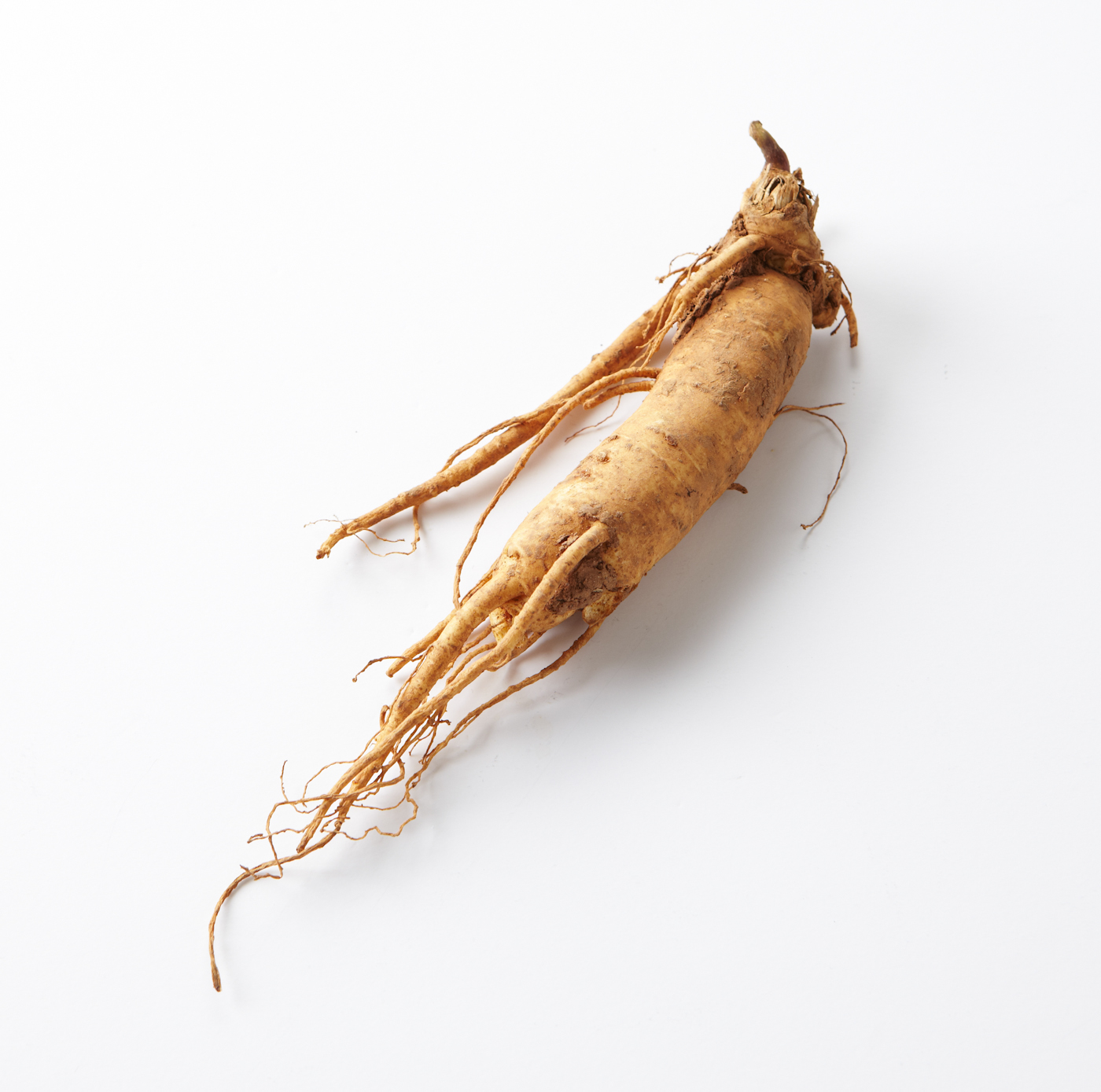
Root of a plant used in herbal preparations

Species of plant

Species of flowering plant

Genus of flowering plants
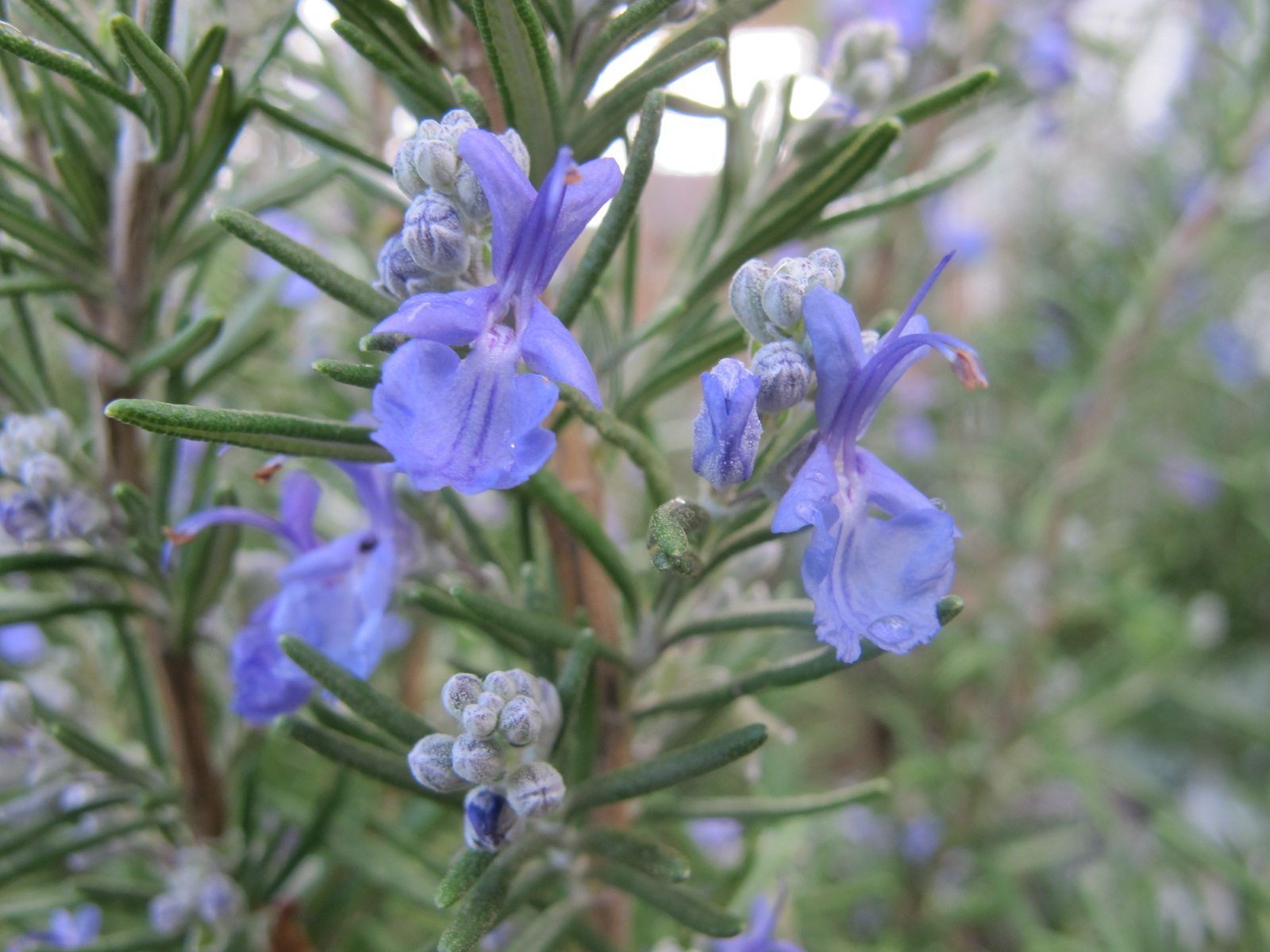
Species of plant
Plant species in the mint family

Species of flowering plant
Flowering plant species in the carrot family
Ground fruit of the family Piperaceae

Spice

Species of edible plant
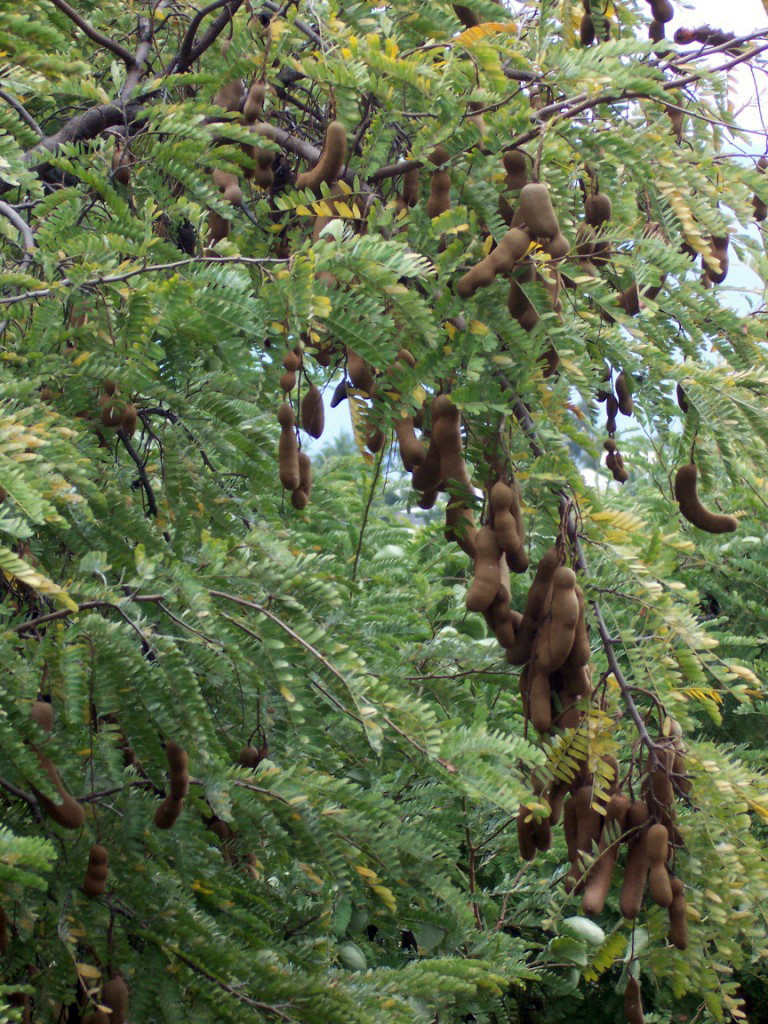
Leguminous tree bearing edible fruit
Verified Data
Compound identity and culinary context are continuously cross-referenced across open scientific databases and maintained by Foodgeist's enrichment pipeline.
The Geist can be wrong. Some flavor, taste, and pairing values are model-predicted, not lab-measured.