Molecular structure
glucosinolate
Foods containing this compound





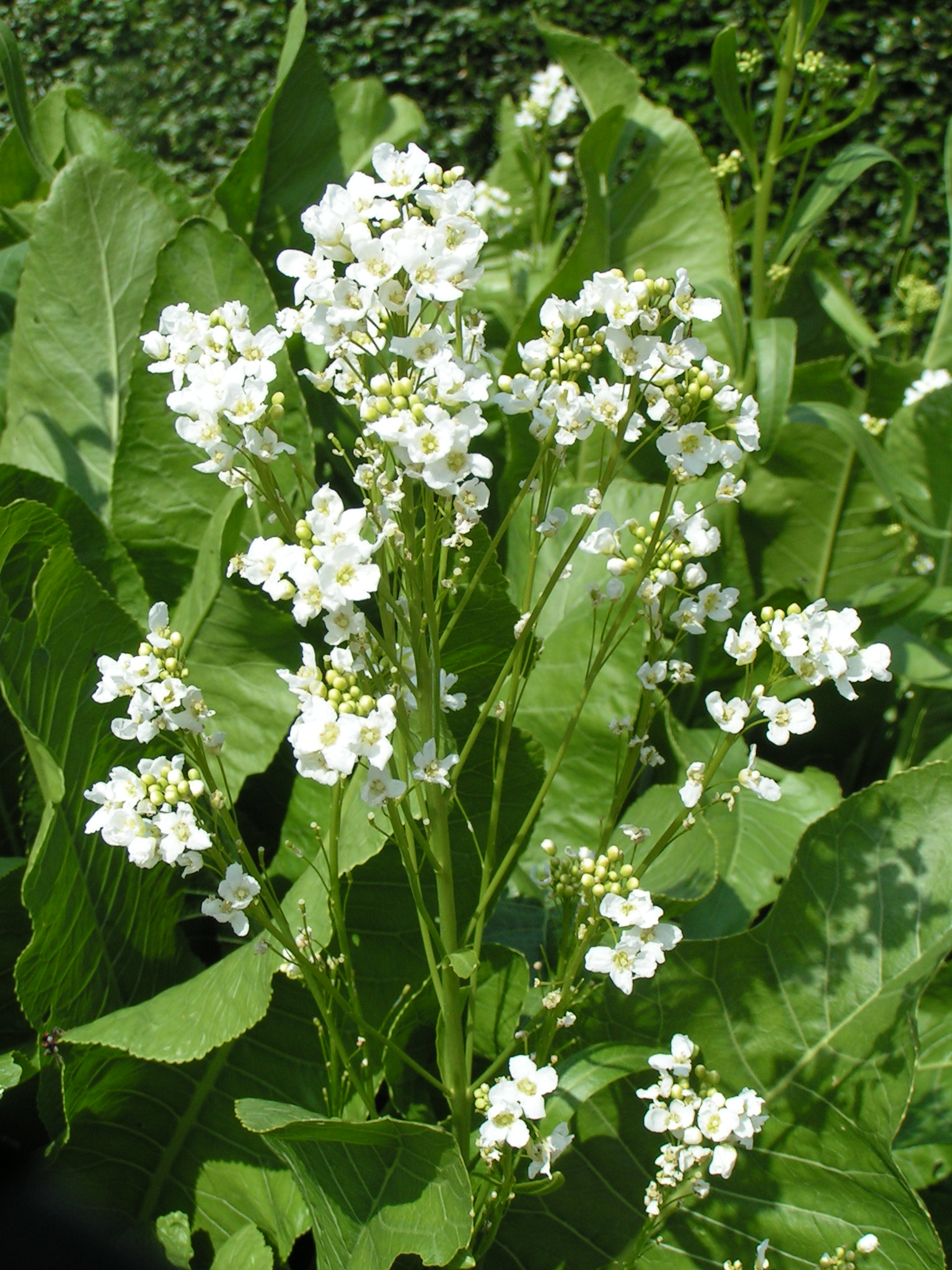


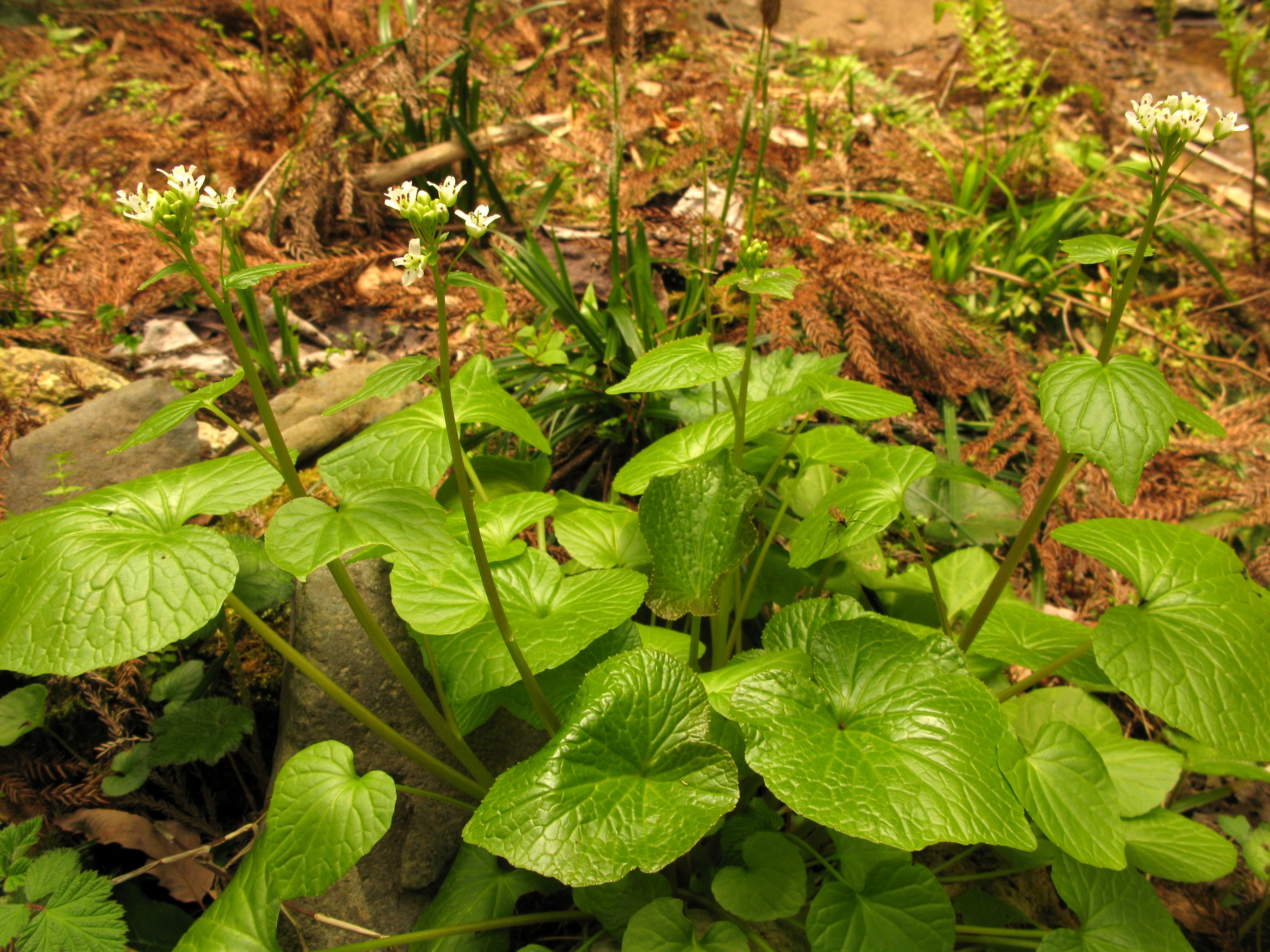
Horseradish (Armoracia rusticana, syn. Cochlearia armoracia) is a perennial plant of the Brassicaceae family (which also includes mustard, wasabi, broccoli, and cabbage). The plant is probably native to southeastern Europe and western Asia. It is now popular around the world. It grows up to 1.5 metres (5 feet) tall, and is cultivated primarily for its large, white, tapered root. The intact horseradish root has hardly any aroma. When cut or grated, however, enzymes from the now-broken plant cells break down sinigrin to produce allyl isothiocyanate, which irritates the mucous membranes of the sinuses and eyes. Once exposed to air (via grating) or heat, if not used immediately or mixed in vinegar, the grated mash darkens, loses its pungency, and becomes unpleasantly bitter-tasting.
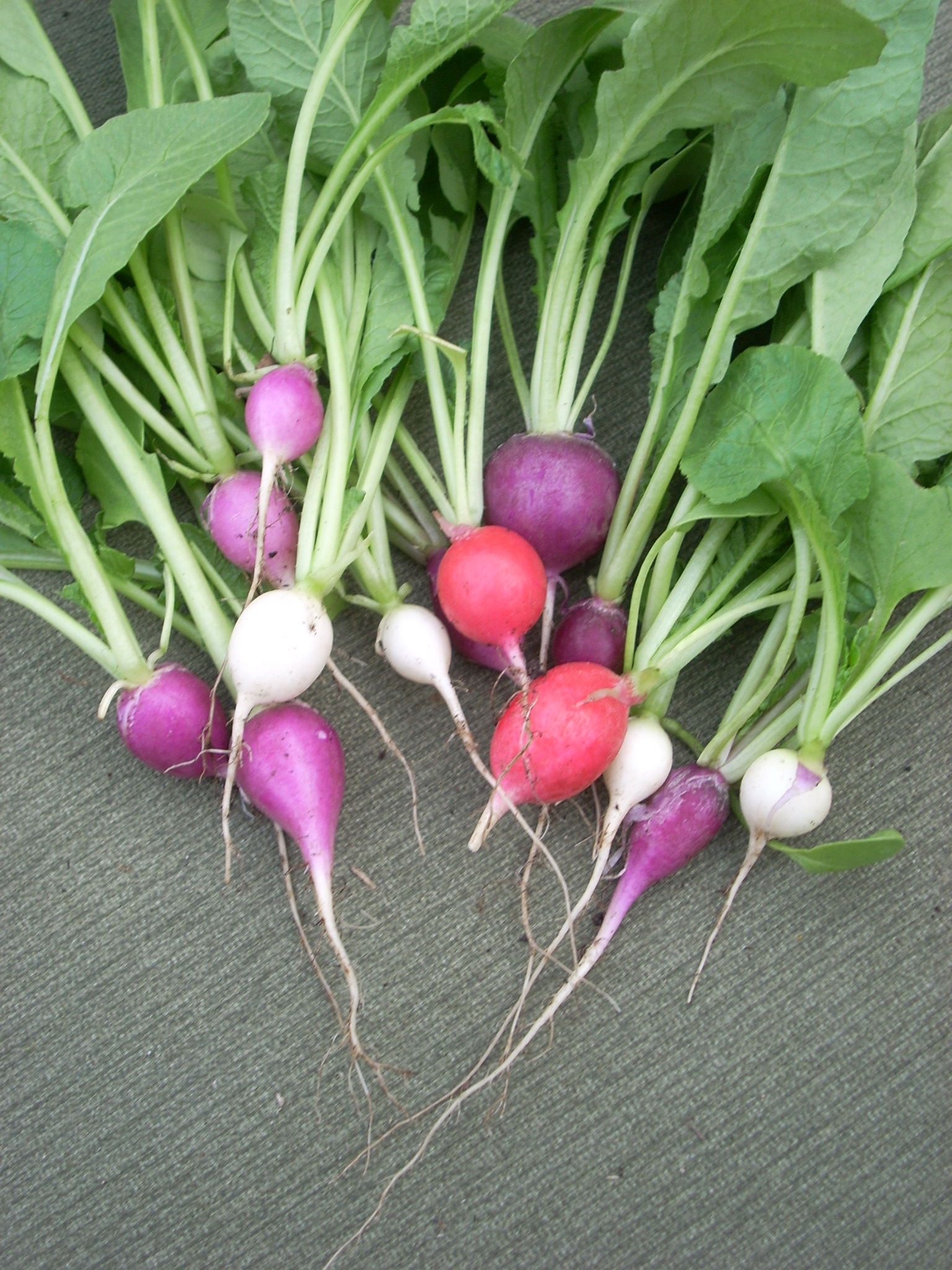
The turnip or white turnip (Brassica rapa subsp. rapa) is a root vegetable commonly grown in temperate climates worldwide for its white, bulbous taproot. Small, tender varieties are grown for human consumption, while larger varieties are grown as feed for livestock.


Rapeseed oil is produced from the bright yellow rape plant. The oil can then used drizzled as salad dressing, or heated to fry or bake.It's low in saturated fat and contains omegas 3, 6 and 9


edible leafy portion of Nasturtium officinale

vegetable from Brassica oleracea var gemmifera

small round seeds of various mustard plants
edible leafy portion of Nasturtium officinale
low eruca acid cultivar of rapeseed

potato cultivar
Species of flowering plants in the cabbage family Brassicaceae
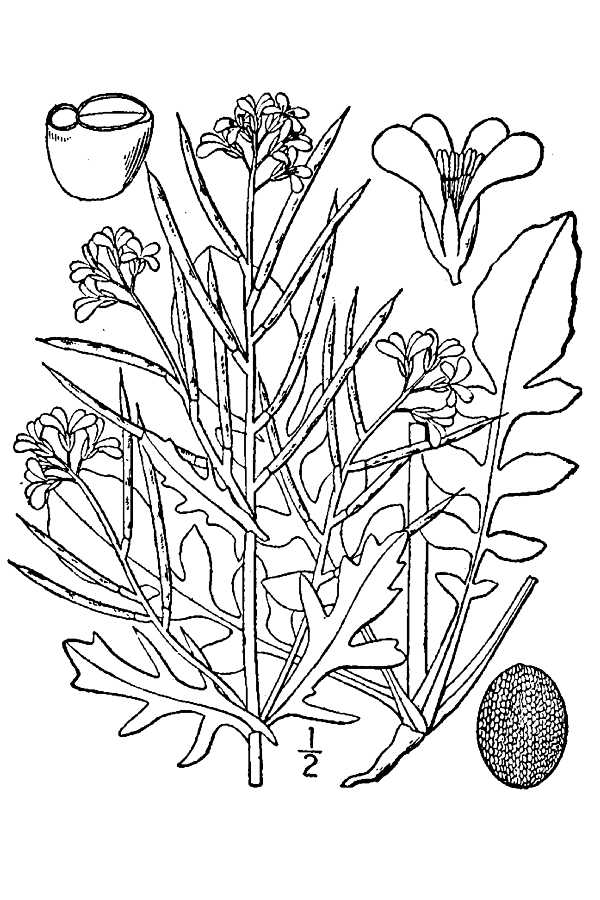
Species of plant in the family Brassicaceae
Species of flowering plant in the cabbage family
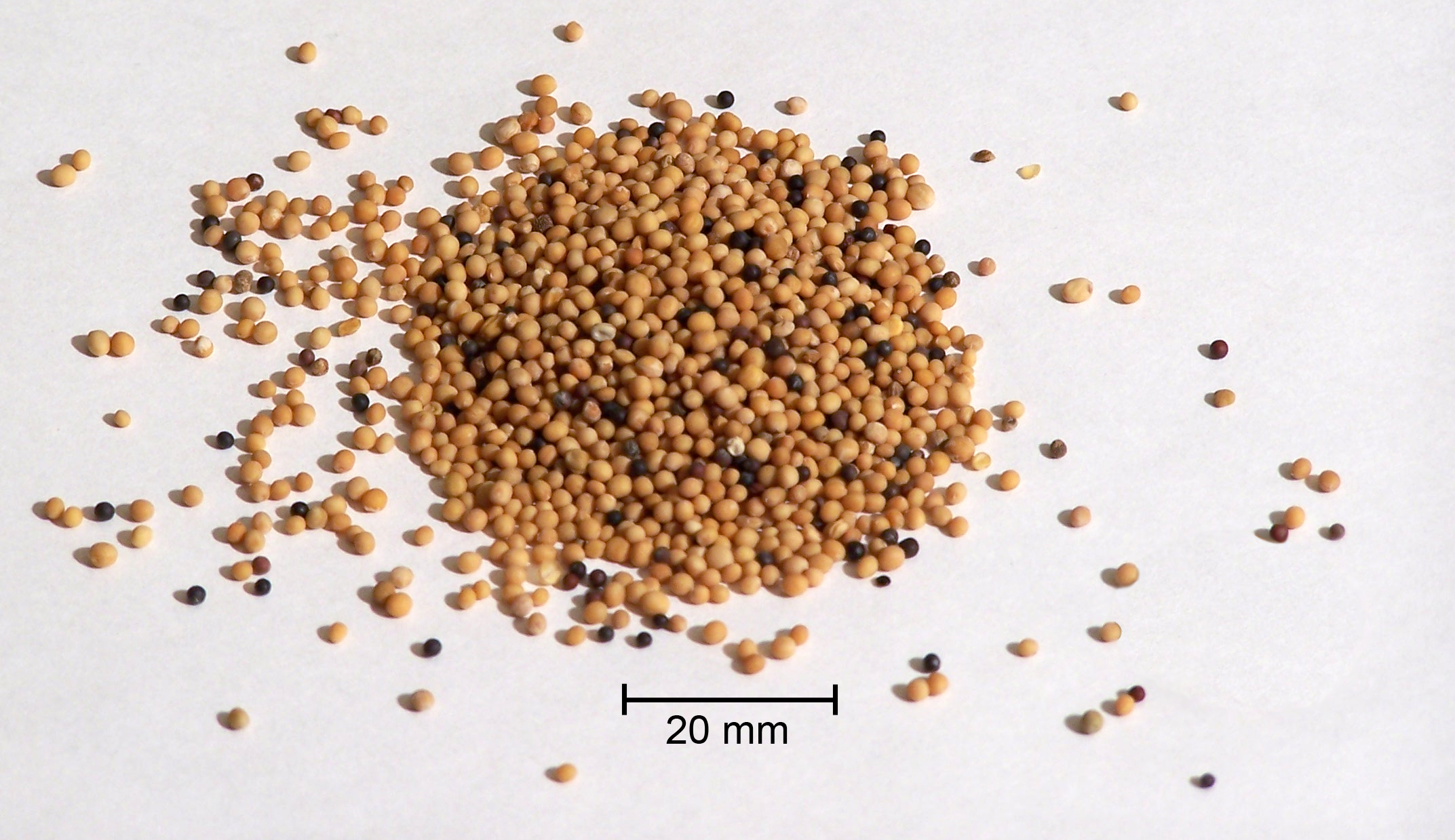
Seeds of various mustard plants

Plant species grown for its oil-rich seed

Food mixture, served chilled or at room temperature
Species of flowering plants in the cabbage family Brassicaceae
Seeds of various mustard plants

Plant species in the cabbage family

Vegetables of the family Brassicaceae
Verified Data
Compound identity and culinary context are continuously cross-referenced across open scientific databases and maintained by Foodgeist's enrichment pipeline.
The Geist can be wrong. Some flavor, taste, and pairing values are model-predicted, not lab-measured.