3-phenylpropanal
Molecular structure
Mass spectrum
A real measured fragmentation pattern · 1 of 3 experimental spectra
Sensory signature
How this molecule tastes and smells · gold is measured, dashed is a model estimate
Bioactivity signal
Structure-activity model estimate · not measured
Receptor binding
Measured in literature · peer-reviewed · how this compound interacts with biological receptors
Biochemical reactions
Metabolic reactions from curated biochemical databases · peer-reviewed
3-phenylpropylamine + pyruvate = 3-phenylpropanal + L-alanine
3-phenylpropanoate + ATP + NADPH + H(+) = 3-phenylpropanal + AMP + diphosphate + NADP(+)
3-phenylpropanal + hydrogen cyanide = (2S)-2-hydroxy-4-phenylbutanenitrile
Foods containing this compound

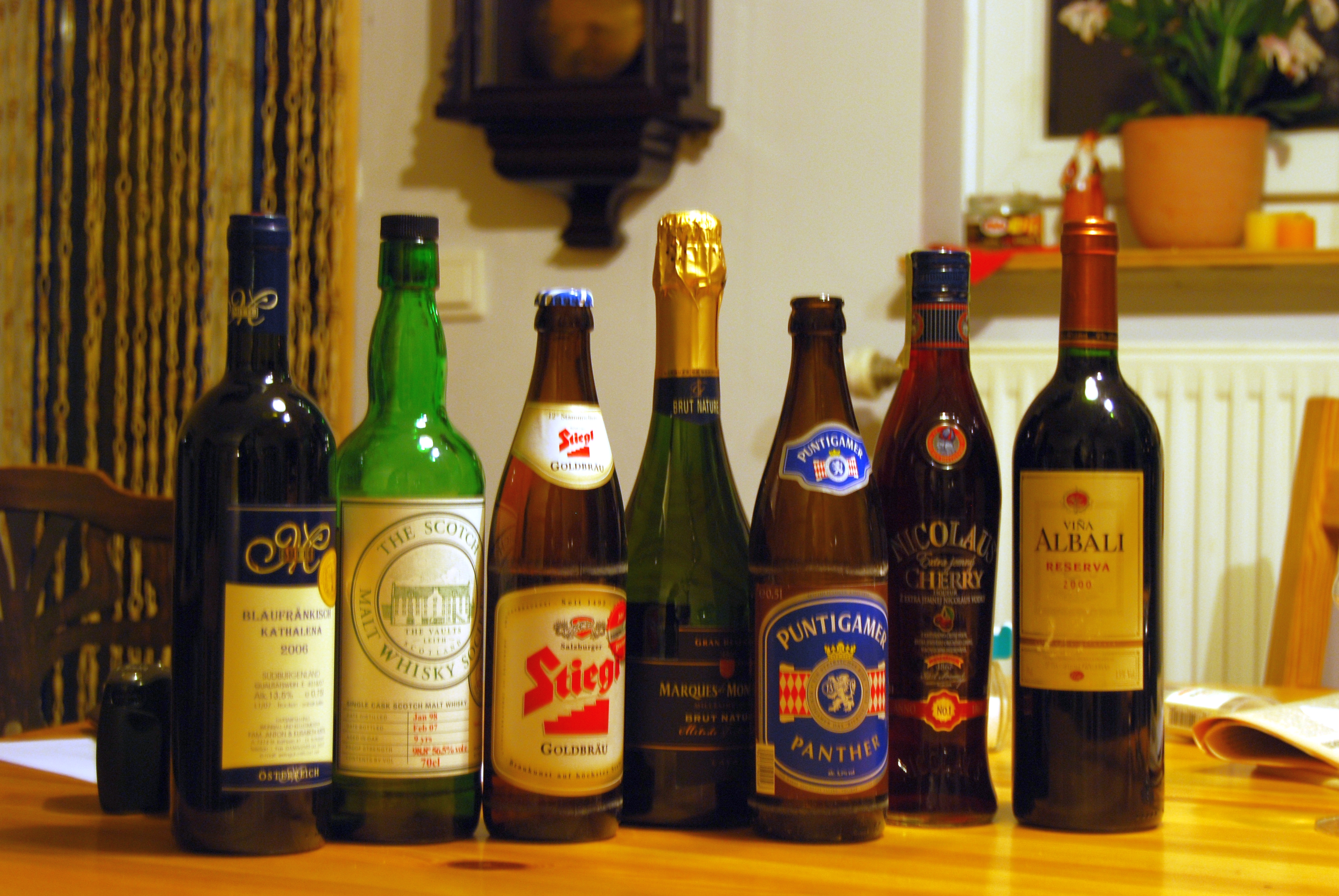
An alcoholic beverage is a drink that typically contains 3% ? 40% ethanol (commonly called alcohol). Alcoholic beverages are divided into three classes: beers, wines, and spirits (distilled beverages). They are legally consumed in most countries around the world. More than 100 countries have laws regulating their production, sale, and consumption.

A dairy product is food produced from the milk of mammals. Dairy products are usually high energy-yielding food products. A production plant for the processing of milk is called a dairy or a dairy factory. Apart from breastfed infants, the human consumption of dairy products is sourced primarily from the milk of cows, yet goats, sheep, yaks, horses, camels, and other mammals are other sources of dairy products consumed by humans. Dairy products are commonly found in European, Middle Eastern, and Indian cuisine, whereas aside from Mongolian cuisine they are little-known in traditional Asian cuisine.
Verified Data
Compound identity and culinary context are continuously cross-referenced across open scientific databases and maintained by Foodgeist's enrichment pipeline.
The Geist can be wrong. Some flavor, taste, and pairing values are model-predicted, not lab-measured.