tg(16:0/18:1(9z)/20:4(5z,8z,11z,14z))[iso6]
Molecular structure
Foods containing this compound

An oil extracted from the seeds of <em>Glycine max</em>. Typical fatty acid composition is 51% linoleic acid, 7-10% α-linolenic acid, 23% oleic acid, 10% palmitic acid and 4% stearic acid.


Fish oil is oil derived from the tissues of oily fish. Fish oils contain the omega-3 fatty acids eicosapentaenoic acid (EPA) and docosahexaenoic acid (DHA), precursors of certain eicosanoids that are known to reduce inflammation in the body and improve hypertriglyceridemia. Fish oil has been shown the benefit for cardiovascular disease. The most promising evidence supports supplementation for prevention of cardiac death.

The avocado (Persea americana) is a tree native to Central Mexico, classified in the flowering plant family Lauraceae along with cinnamon, camphor and bay laurel. Avocado or alligator pear also refers to the fruit (botanically a large berry that contains a single seed) of the tree. Avocados are commercially valuable and are cultivated in tropical and Mediterranean climates throughout the world. They have a green-skinned, fleshy body that may be pear-shaped, egg-shaped, or spherical. Commercially, it ripens after harvesting. Trees are partially self-pollinating and often are propagated through grafting to maintain a predictable quality and quantity of the fruit.

Rapeseed oil is produced from the bright yellow rape plant. The oil can then used drizzled as salad dressing, or heated to fry or bake.It's low in saturated fat and contains omegas 3, 6 and 9
Soybean oil is a vegetable oil extracted from the seeds of the soybean (Glycine max). It is one of the most widely consumed cooking oils. As a drying oil, processed soybean oil is also used as a base for printing inks (soy ink) and oil paints.
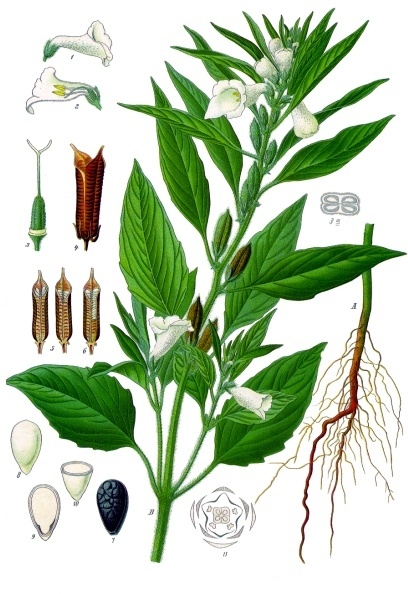

egg from chicken

edible berry of a flowering plant in the family Vitaceae
Nutrient-rich liquid produced by mammals
Verified Data
Compound identity and culinary context are continuously cross-referenced across open scientific databases and maintained by Foodgeist's enrichment pipeline.
The Geist can be wrong. Some flavor, taste, and pairing values are model-predicted, not lab-measured.