1,2-di-[(9Z,12Z,15Z)-octadecatrienoyl]-sn-glycero-3-phosphocholine
Molecular structure
Sensory signature
How this molecule tastes and smells · gold is measured, dashed is a model estimate
Biochemical reactions
Metabolic reactions from curated biochemical databases · peer-reviewed
1,2-di-(9Z,12Z,15Z-octadecatrienoyl)-sn-glycero-3-phosphocholine + 1-tetradecanoyl-sn-glycero-3-phosphocholine = 1-tetradecanoyl-2-(9Z,12Z,15Z-octadecatrienoyl)-sn-glycero-3-phosphocholine + 1-(9Z,12Z
1,2-di-(9Z,12Z,15Z-octadecatrienoyl)-sn-glycero-3-phospho-N,N-dimethylethanolamine + S-adenosyl-L-methionine = 1,2-di-(9Z,12Z,15Z-octadecatrienoyl)-sn-glycero-3-phosphocholine + S-adenosyl-L-homocyste
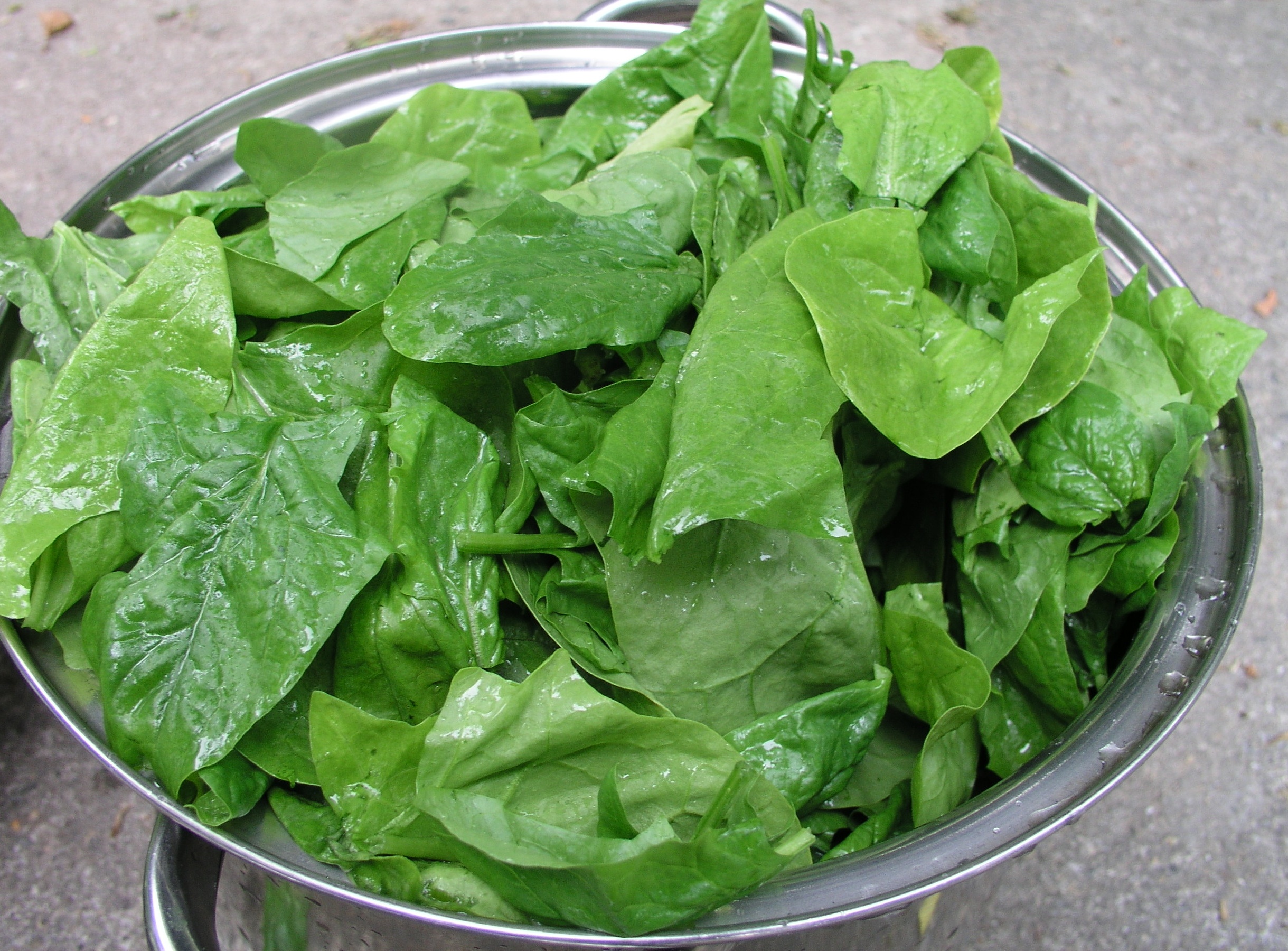
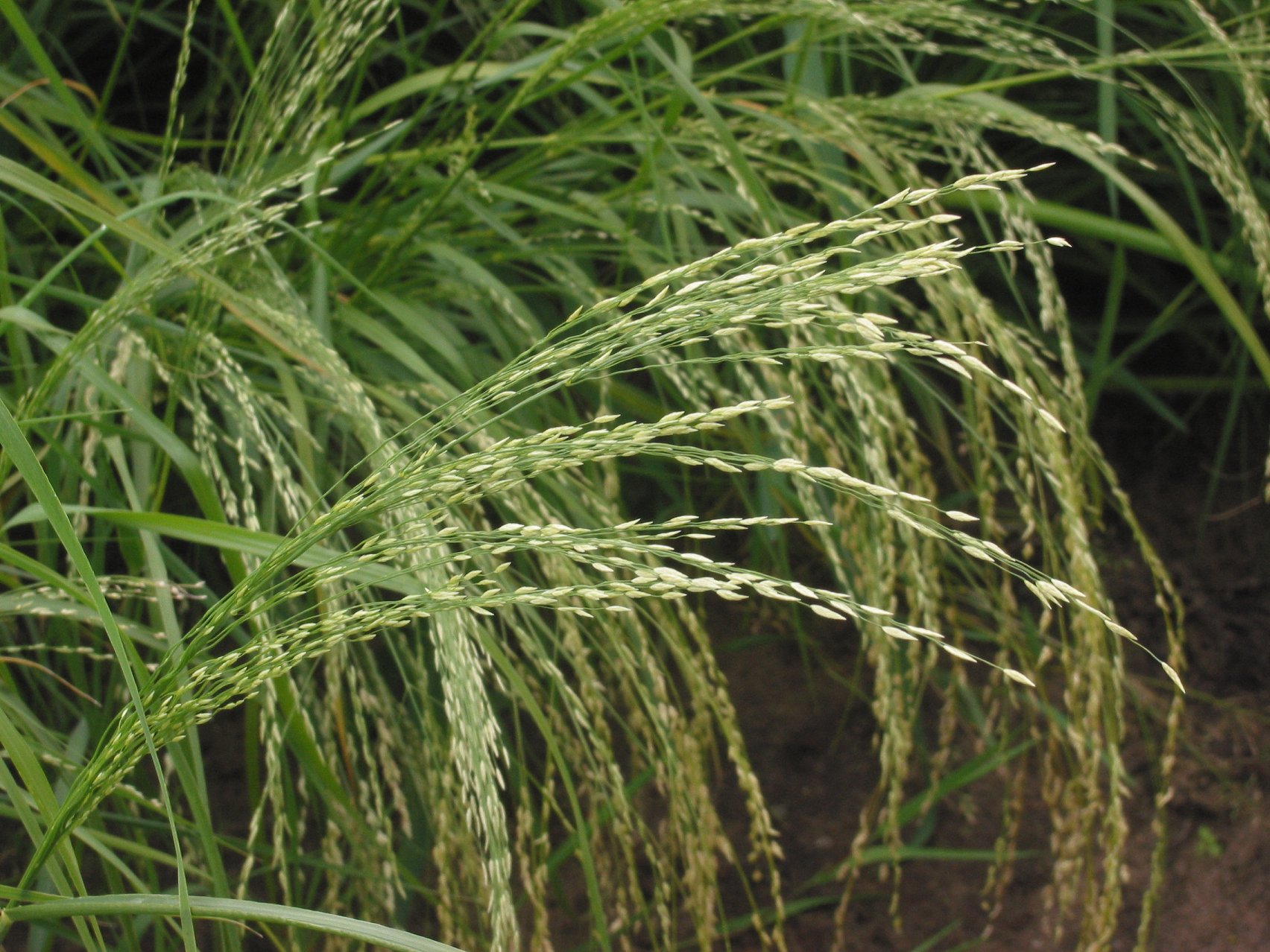
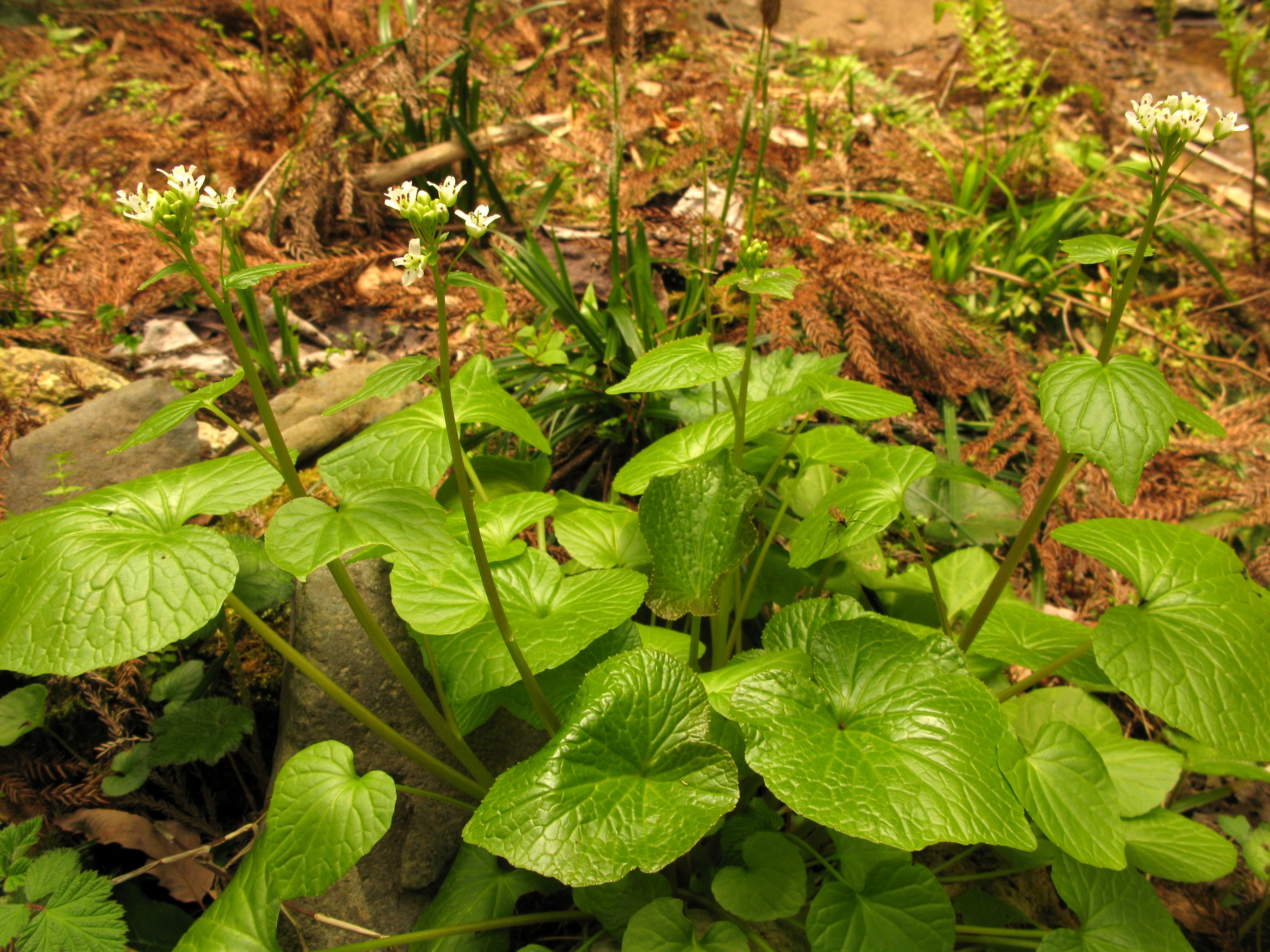
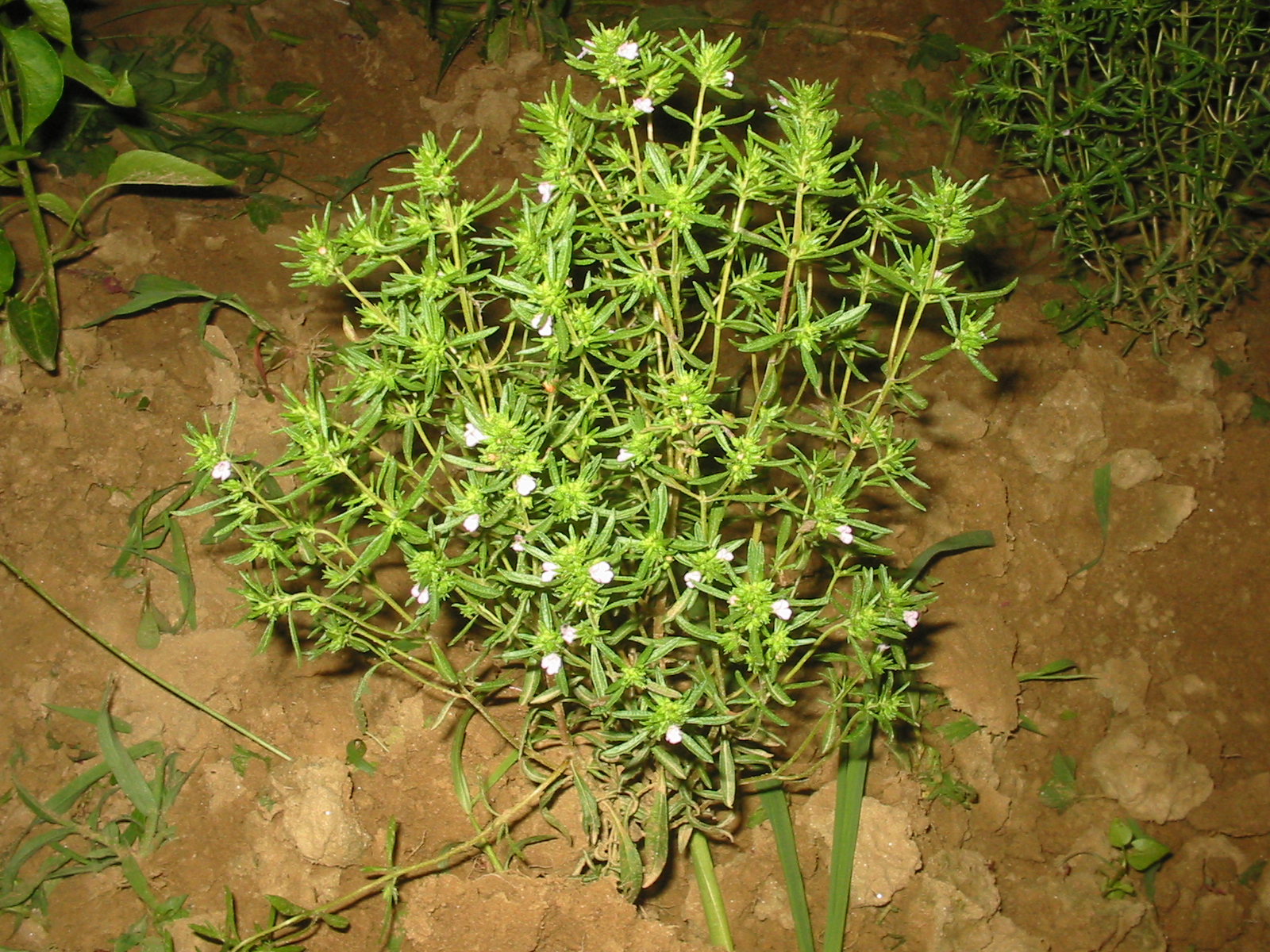
Foods containing this compound

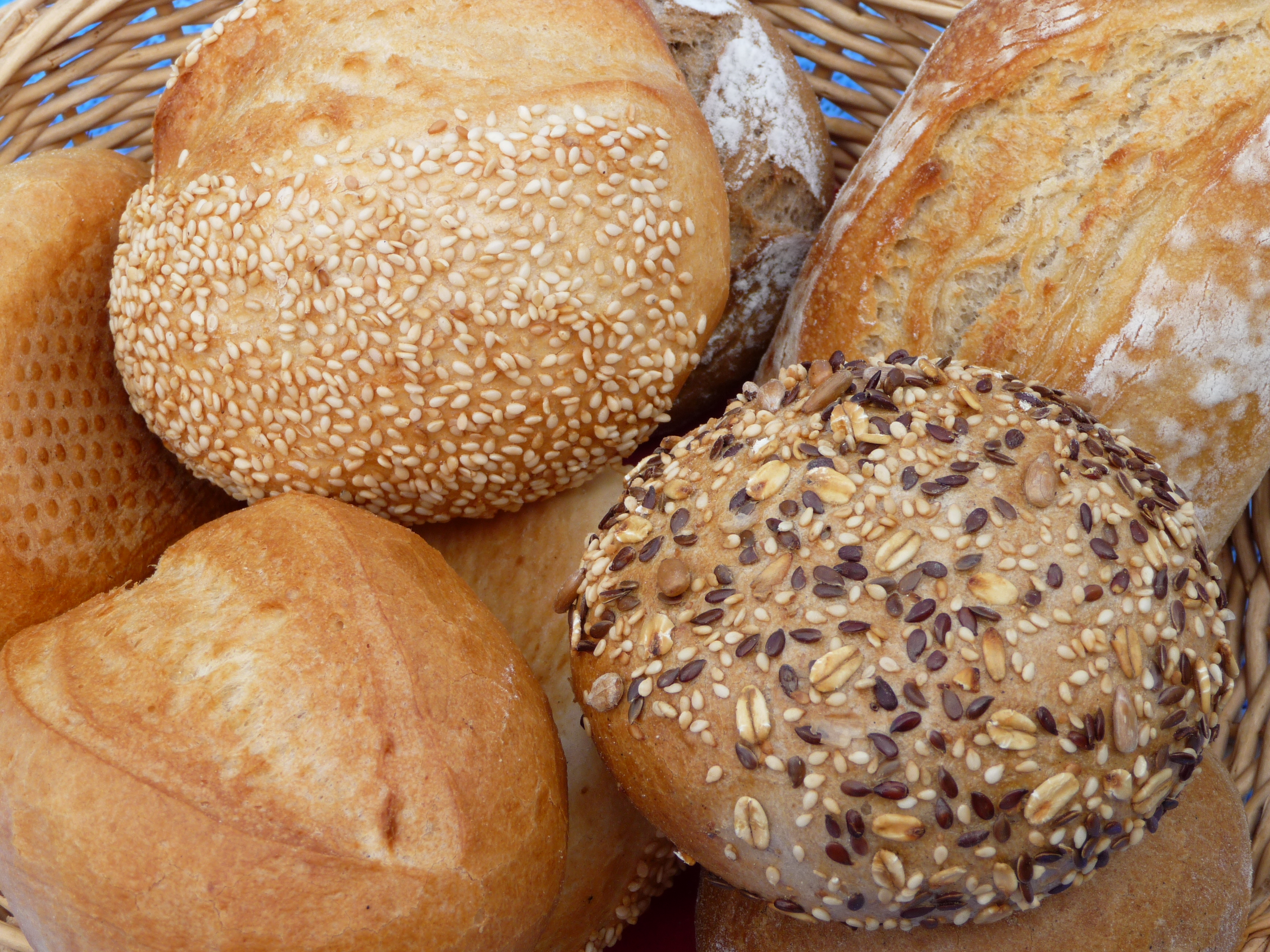


A pulse (Latin "puls", from Ancient Greek πόλτος póltos, “porridge”), sometimes called a "grain legume", is an annual leguminous crop yielding from one to twelve seeds of variable size, shape, and color within a pod. Pulses are used for food for humans and other animals. Included in the pulses are: dry beans like pinto beans, kidney beans and navy beans; dry peas; lentils; and others.
Verified Data
Compound identity and culinary context are continuously cross-referenced across open scientific databases and maintained by Foodgeist's enrichment pipeline.
The Geist can be wrong. Some flavor, taste, and pairing values are model-predicted, not lab-measured.