Cobalamin
Molecular structure
Foods containing this compound

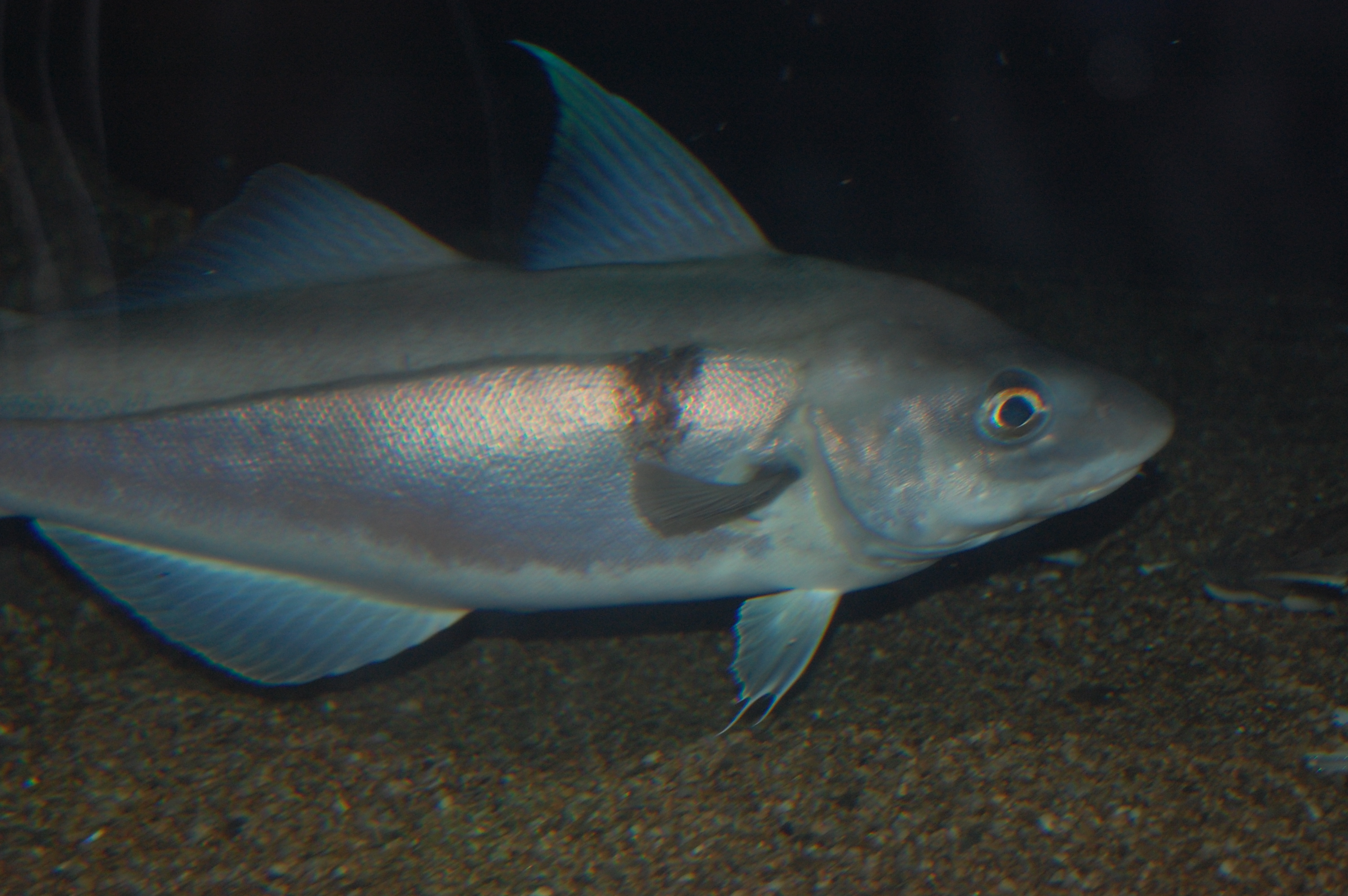
The haddock (Melanogrammus aeglefinus) is a marine fish distributed on both sides of the North Atlantic. Haddock is a popular food fish and is widely fished commercially.

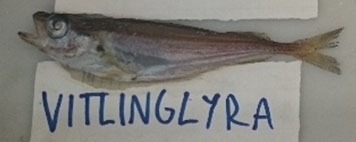
The common ling or simply the ling, Molva molva, is a large member of a family of cod-like fishes. An ocean fish whose habitat is in the Atlantic region and can be found around Iceland, Faroe Islands, British Isles, the Norse coast and occasionally around Newfoundland, the ling has a long slender body that can reach 2 metres in length; in adulthood, it is generally a deep-running fish, spending much of its life at depths of 100 m or more; younger fish are found at shallower depths. The ling is edible; its flesh is prized and can be considered interchangeable with cod in either its fresh, salted or dried forms. The salted roe of the ling is considered a delicacy in Spain and is known as huevas de maruca. The lutefisk – ling that is first dried, then soaked in water and then steeped in a lye of soda and slaked lime – is a traditional dish at the Christmas table in Sweden, Norway and Finland.
The northern pike (Esox lucius), known simply as a pike in Britain, Ireland, Canada, and most parts of the USA, also called jackfish or simply "northern" in the Upper Midwest of the USA), is a species of carnivorous fish of the genus Esox (the pikes). They are typical of brackish and fresh waters of the Northern Hemisphere (i.e. holarctic in distribution). Pike grow to a relatively large size; lengths of 150 cm (59 in) and weights of 25 kg (55 lb) are not rare. The average length is about 70-120 cm (28-47 in). The heaviest specimen known so far was caught in 1983 at an abandoned stone quarry in Germany, where the species is known as a Hecht. She (the majority of all pikes over 8 kg or 18 lb are females) was 147 cm (58 in) long and weighed 31 kg (68 lb). The longest pike ever recorded and confirmed was 152 cm (60 in) long and weighed 28 kg (62 lb). A pike of 60.5 in (154 cm) was caught and released in May 2004 in Apisko Lake, Manitoba. Historic reports of giant pike, caught in nets in Ireland in the late 19th century, of 41-42 kg (90-93 lb) with a length of 173-175 cm (67-68 in), were researched by Fred Buller and published in The Domesday Book of Mammoth Pike.

Pollock (alternatively spelled pollack) is the common name used for either of the two species of marine fish in the Pollachius ("P.") genus. Both P. pollachius and P. virens are commonly referred to as pollock. Other names for P. pollachius include the Atlantic pollock, European pollock, lieu jaune, and lythe; while P. virens is sometimes known as Boston blues (distinct from bluefish), coalfish (or coley), silver bills or saithe.
The Atlantic halibut, Hippoglossus hippoglossus, is a flatfish of the family Pleuronectidae. They are demersal fish living on or near sand, gravel or clay bottoms at depths of between 50 and 2,000 m (and ft). The halibut is among the largest teleost (bony) fish in the world. Halibut are strong swimmers and are able to migrate long distances. Halibut size is not age-specific, but rather tends to follow a cycle related to halibut (and therefore food) abundance. The native habitat of the Atlantic halibut is the temperate waters of the northern Atlantic, from Labrador and Greenland to Iceland, the Barents Sea and as far south as the Bay of Biscay. It is the largest flatfish in the Atlantic and one of the largest species of flatfish in the world, reaching lengths of up to 4.7 m and weights of 320 kg . Its lifespan can reach 50 years.

Perciformes, also called the Percomorphi or Acanthopteri, are the largest order of vertebrates, containing about 40% of all bony fish. Perciformes means "perch-like". They belong to the class of ray-finned fish, and comprise over 10,000 species found in almost all aquatic ecosystems.
Coffee is a brewed beverage prepared from the roasted or baked seeds of several species of an evergreen shrub of the genus Coffea. The two most common sources of coffee beans are the highly regarded Coffea arabica, and the "robusta" form of the hardier Coffea canephora. The latter is resistant to the coffee leaf rust (Hemileia vastatrix), but has a more bitter taste. Coffee plants are cultivated in more than 70 countries, primarily in equatorial Latin America, Southeast Asia, and Africa. Once ripe, coffee "berries" are picked, processed and dried to yield the seeds inside. The seeds are then roasted to varying degrees, depending on the desired flavor, before being ground and brewed to create coffee.
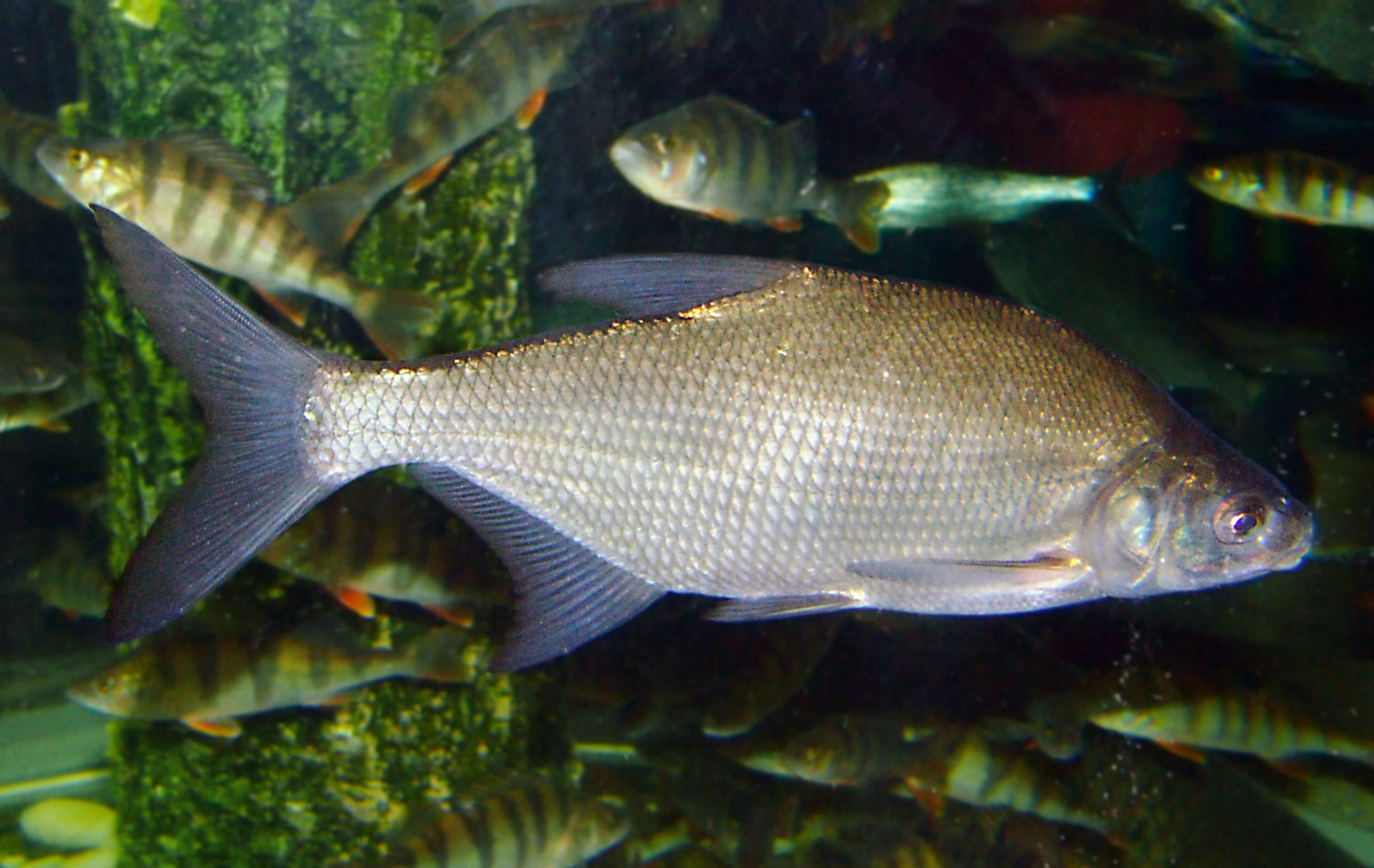
The common bream, freshwater bream, bream, bronze bream or carp bream, Abramis brama, is a European species of freshwater fish in the family Cyprinidae. It is now considered to be the only species in the genus Abramis.








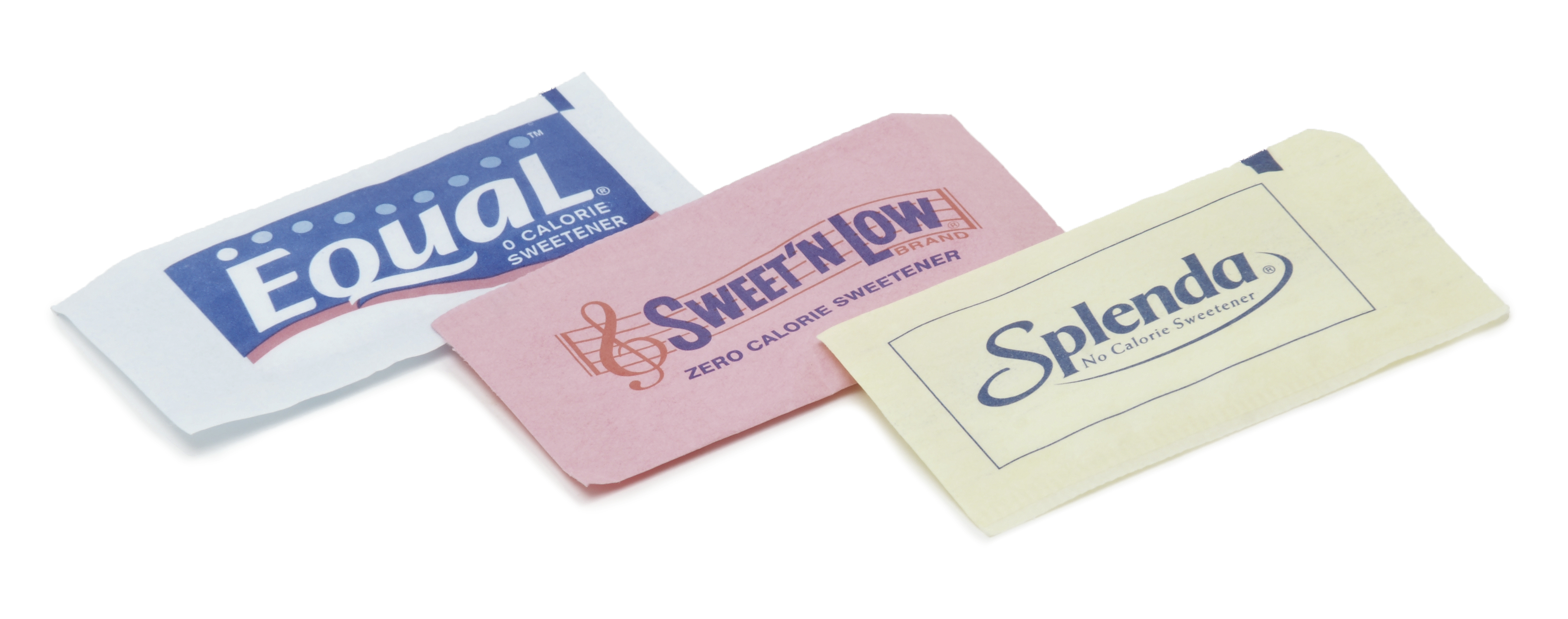


Gelatin desserts are desserts made with sweetened and flavored gelatin. They can be made by combining plain gelatin with other ingredients or by using a premixed blend of gelatin with additives. Fully prepared gelatin desserts are sold in a variety of forms, ranging from large decorative shapes to individual serving cups. In many of the Commonwealth nations and in Ireland, gelatin desserts are called jelly. In the United States and Canada, gelatin desserts are called jello (a generic name based on the brand name Jell-O) or gelatin, whereas 'jelly' is a fruit preserve. [Wikipedia]

Frozen dessert is the generic name for desserts made by freezing liquids, semi-solids, and sometimes even solids. They may be based on flavored water (shave ice, sorbet, snow cones, etc.), on fruit purées (such as sorbet), on milk and cream (most ice creams), on custard (frozen custard and some ice creams), on mousse (semifreddo), and others.
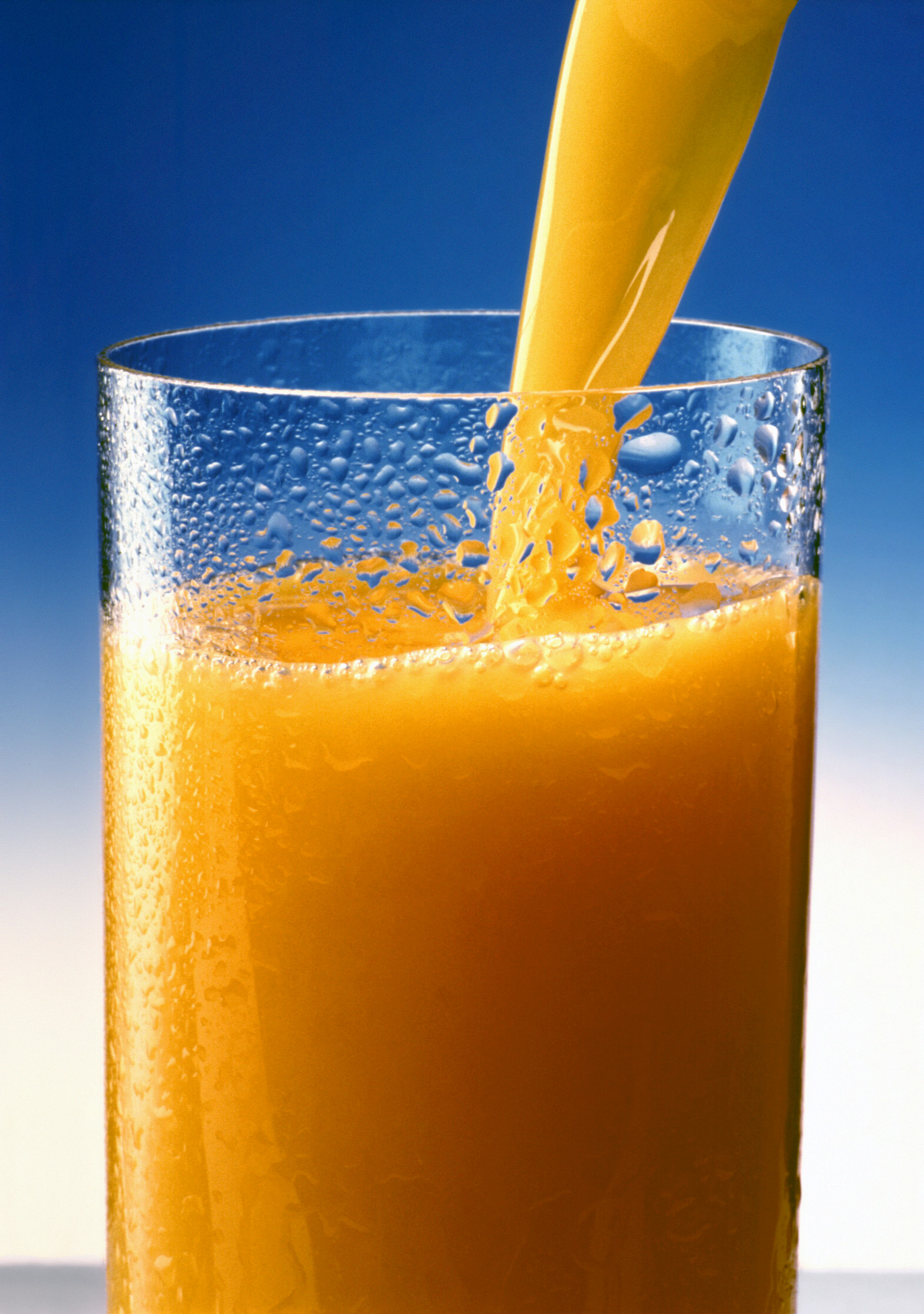
Juice is the liquid that is naturally contained in fruit or vegetable tissue. Juice is prepared by mechanically squeezing or macerating fruit or vegetable flesh without the application of heat or solvents. Many commercial juices are filtered to remove fiber or pulp, but high-pulp fresh orange juice is a popular beverage. Common methods for preservation and processing of fruit juices include canning, pasteurization, freezing, evaporation and spray drying. [Wikipedia]
A cracker is a baked good typically made from grain flour dough and usually manufactured in large quantities. Crackers (equivalent to savory biscuits in the UK) are usually flat, crisp, small in size and are made in various shapes, though are commonly round or square. Flavorings or seasonings, such as salt, herbs, seeds, and/or cheese, may be added to the dough or sprinkled on top before baking. Crackers are eaten on their own, or can accompany other food items, such as cheese or meat slices, or dips. [Wikipedia]

Vegetable juice is a drink made primarily of blended vegetables. Vegetable juice is often mixed with fruits such as tomatoes or grapes to improve flavor. It is often touted as a low-sugar alternative to fruit juice, although some commercial brands of vegetable juices use fruit juices as sweeteners, and may contain large amounts of sodium.

A soft drink (also called a soda, pop, coke, soda pop, fizzy drink, tonic, or carbonated beverage) is a non-alcoholic beverage that typically contains water (often, but not always carbonated water), a sweetener, and a flavoring agent. The sweetener may be sugar, high-fructose corn syrup, or a sugar substitute (in the case of diet drinks). A soft drink may also contain caffeine, fruit juice, or both. Widely sold soft drink flavors are cola, lemon-lime, root beer, orange, grape, vanilla, ginger ale, fruit punch, and sparkling lemonade. Soft drinks may be served chilled or at room temperature. They are rarely heated. [Wikipedia]


used as a food ingredient

Sauce used as a condiment
Verified Data
Compound identity and culinary context are continuously cross-referenced across open scientific databases and maintained by Foodgeist's enrichment pipeline.
The Geist can be wrong. Some flavor, taste, and pairing values are model-predicted, not lab-measured.