Foodgeist is a participant in the Amazon Services LLC Associates Program, an affiliate advertising program designed to provide a means for sites to earn advertising fees by advertising and linking to Amazon.com. As an Amazon Associate we earn from qualifying purchases.
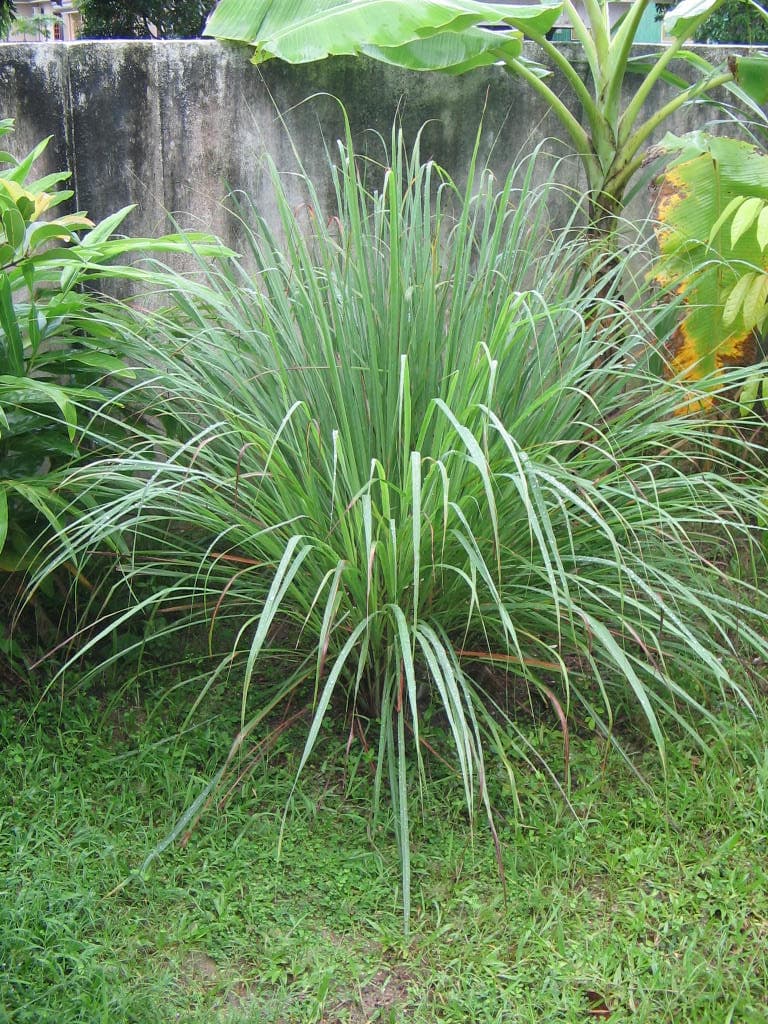
Lemongrass (herb) — Ingredient · Foodgeist
Ingredient
Lemongrass
herb
Aroma profile
Derived from this ingredient’s flavor compounds
floral×22
citrus×17
green×17
grassy×16
waxy×15
aromatic×15
fatty×14
fresh×14
Taste profile
Derived from this ingredient's compounds · measured taste classes
Ranked across every axis at once: shared flavor chemistry, real-recipe co-use, novel-discovery, and nutrient synergy. Pairs agreeing on two or more axes lead.
Molecular affinity
Pairs well with — ingredients that share aroma compounds
LO concentration: 3.0 g/100 ginhibition log CFU/g: 3.2 and 2.6
“The coating on the berries with 3.0 g/100 g LO initially inhibited Salmonella typhimurium and Escherichia coli O157:H7 inoculated on the berries by more than 3.2 and 2.6 log CFU/g, respectively.”
What science says
compound effect
“Lemongrass, eucalyptus, peppermint and orange oils were effective against all the 22 bacterial strains.”
“Nanoemulsions of lemongrass oil (LO) were developed for coating of grape berries (Vitis labruscana Bailey) to improve the shelf life and microbiological safety. Vortex mixing, high-shear probe mixing, and dynamic high pressure (DHP) processing were tested as methods of incorporating LO into a carnauba-based solution (0.5–4.0 g/100 g LO).”
nanoemulsion of lemongrass oil→produced by→dynamic high pressure (DHP) processing
“The coatings were also effective on reducing losses of weight, firmness, phenolic compounds, and antioxidant activity and delaying increases in total anthocyanin concentration in the berries.”
lemongrass oil nanoemulsion coating→reduced→weight loss, firmness loss, phenolic compounds loss, antioxidant activity loss, and total anthocyanin concentration increase