Molecular structure
(-)-sativan
Foods containing this compound


Flax (also known as common flax or linseed) is a member of the genus Linum in the family Linaceae. It is a food and fibre crop that is grown in cooler regions of the world. Flax fibres are taken from the stem of the plant and are two to three times as strong as those of cotton. As well, flax fibres are naturally smooth and straight. Europe and North America depended on flax for cloth until the nineteenth century, when cotton overtook flax as the most common plant used for making linen paper. Flax is grown on the Canadian Praires for linseed oil, which is used as a drying oil in paints and varnish and in products such as linoleum and printing inks. It is native to the region extending from the eastern Mediterranean to India and was probably first domesticated in the Fertile Crescent. Flax was extensively cultivated in ancient Ethiopia and ancient Egypt. A discovery reported in 2009 of spun, dyed, and knotted wild flax fibers in a prehistoric cave in the Republic of Georgia shows that the plant was already in use by humans at the surprisingly early date of 30,000 B.C. New Zealand flax is not related to flax but was named after it, as both plants are used to produce fibers.
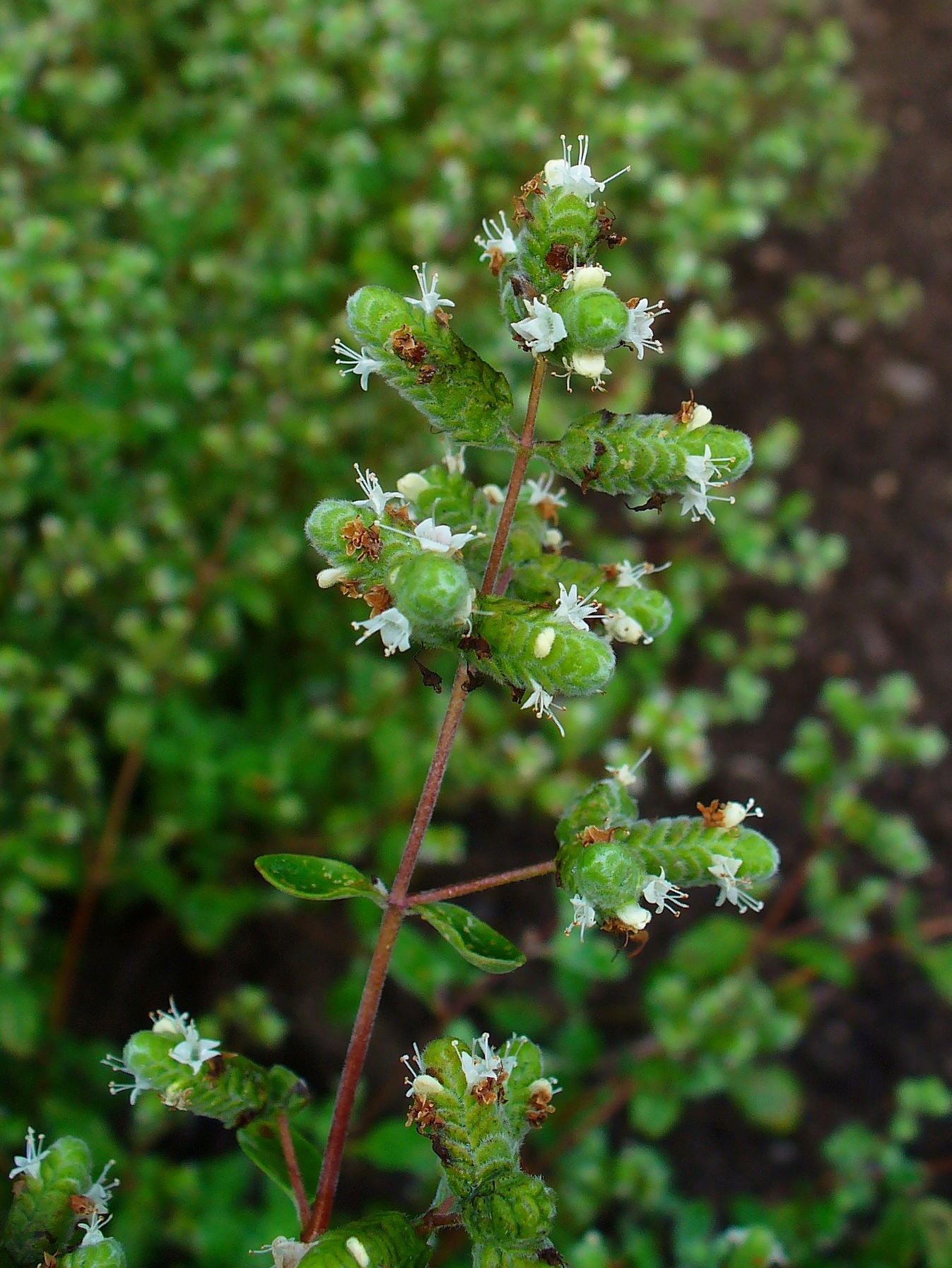
Marjoram (Origanum majorana, syn. Majorana hortensis Moench, Majorana majorana (L.) H. Karst) is a somewhat cold-sensitive perennial herb or undershrub with sweet pine and citrus flavors. In some Middle-Eastern countries, marjoram is synonymous with oregano, and there the names sweet marjoram and knotted marjoram are used to distinguish it from other plants of the genus Origanum.

The avocado (Persea americana) is a tree native to Central Mexico, classified in the flowering plant family Lauraceae along with cinnamon, camphor and bay laurel. Avocado or alligator pear also refers to the fruit (botanically a large berry that contains a single seed) of the tree. Avocados are commercially valuable and are cultivated in tropical and Mediterranean climates throughout the world. They have a green-skinned, fleshy body that may be pear-shaped, egg-shaped, or spherical. Commercially, it ripens after harvesting. Trees are partially self-pollinating and often are propagated through grafting to maintain a predictable quality and quantity of the fruit.
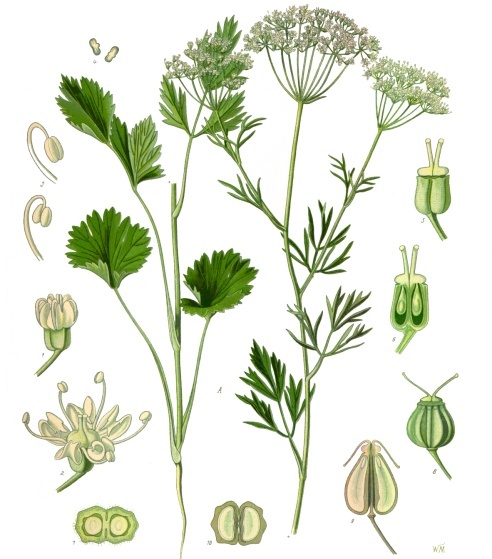
Anise, Pimpinella anisum, also called aniseed, is a flowering plant in the family Apiaceae native to the eastern Mediterranean region and Southwest Asia. Its flavor has similarities with some other spices, such as star anise, fennel and liquorice.

The almond (Prunus dulcis, syn. Prunus amygdalus, Amygdalus communis, Amygdalus dulcis) (or badam in Indian English, from Persian: بادام ) is a species of tree native to the Middle East and South Asia. "Almond" is also the name of the edible and widely cultivated seed of this tree. Within the genus Prunus, it is classified with the peach in the subgenus Amygdalus, distinguished from the other subgenera by the corrugated shell (endocarp) surrounding the seed.
Wild celery is a common name for several plants Wild celery may refer to Wild growing forms of celery, Apium graveolens Angelica archangelica, cultivated as a vegetable and medicinal plant Lovage, Levisticum officinale, sometimes known as wild celery Vallisneria americana, an aquatic plant in the Hydrocharitaceae family

Horseradish (Armoracia rusticana, syn. Cochlearia armoracia) is a perennial plant of the Brassicaceae family (which also includes mustard, wasabi, broccoli, and cabbage). The plant is probably native to southeastern Europe and western Asia. It is now popular around the world. It grows up to 1.5 metres (5 feet) tall, and is cultivated primarily for its large, white, tapered root. The intact horseradish root has hardly any aroma. When cut or grated, however, enzymes from the now-broken plant cells break down sinigrin to produce allyl isothiocyanate, which irritates the mucous membranes of the sinuses and eyes. Once exposed to air (via grating) or heat, if not used immediately or mixed in vinegar, the grated mash darkens, loses its pungency, and becomes unpleasantly bitter-tasting.
Tarragon (Artemisia dracunculus) is a species of perennial herb in the family Asteraceae. One sub-species, Artemisia dracunculus var. sativa, is cultivated for use of the leaves as an aromatic culinary herb. In some other sub-species, the characteristic aroma is largely absent. The species is polymorphic. Informal names for distinguishing the variations include "French tarragon" (best for culinary use), "Russian tarragon" (typically better than wild tarragon but not as good as so-called French tarragon for culinary use), and "wild tarragon" (covers various states).


The beet (Beta vulgaris) is a plant in the Chenopodiaceae family which is now included in Amaranthaceae family. It is best known in its numerous cultivated varieties, the most well known of which is the root vegetable known as the beetroot or garden beet. However, other cultivated varieties include the leaf vegetable chard, as well as the root vegetable sugar beet, which is important in the production of table sugar, and mangelwurzel, which is a fodder crop. Three subspecies are typically recognised. All cultivated varieties fall into the subspecies Beta vulgaris subsp. vulgaris, while Beta vulgaris subsp. maritima, commonly known as the sea beet, is the wild ancestor of these, and is found throughout the Mediterranean, the Atlantic coast of Europe, the Near East, and India. A second wild subspecies, Beta vulgaris subsp. adanensis, occurs from Greece to Syria. The roots are most commonly deep red-purple in color, but come in a wide variety of other shades, including golden yellow and red-and-white striped. Beta vulgaris is a herbaceous biennial or, rarely, perennial plant with leafy stems growing to 1–2 m tall. The leaves are heart-shaped, 5–20 cm long on wild plants (often much larger in cultivated plants). The flowers are produced in dense spikes; each flower is very small, 3–5 mm diameter, green or tinged reddish, with five petals; they are wind pollinated. The fruit is a cluster of hard nutlets.


Rapeseed (Brassica napus), also known as rape, oilseed rape, rapa, rappi, rapaseed (and, in the case of one particular group of cultivars, canola), is a bright yellow flowering member of the family Brassicaceae (mustard or cabbage family). The name derives from the Latin for turnip, r?pa or r?pum, and is first recorded in English at the end of the 14th century. Older writers usually distinguished the turnip and rape by the adjectives round and long (-rooted), respectively. See also Brassica napobrassica, which may be considered a variety of Brassica napus. Some botanists include the closely related Brassica campestris within B. napus.. Brassica napus is cultivated mainly for its oil-rich seed, the third largest source of vegetable oil in the world.
The cherimoya, also spelled chirimoya, is the fruit of the species Annona cherimola, which generally is thought to be native to the Andes, although an alternative hypothesis proposes Central America as the origin of cherimoya because many of its wild relatives occur in this area. Today cherimoya is grown throughout South Asia, Central America, South America, Southern California and southern Andalucia [La Axarquia].

The coconut tree (Cocos nucifera), is a member of the family Arecaceae (palm family). It is the only accepted species in the genus Cocos. The term coconut can refer to the entire coconut palm, the seed, or the fruit, which, botanically, is a drupe, not a nut. The spelling cocoanut is an archaic form of the word. The term is derived from 16th-century Portuguese and Spanish coco, meaning "head" or "skull", from the three indentations on the coconut shell that resemble facial features.

Malus, apple, is a genus of about 30-55 species of small deciduous trees or shrubs in the family Rosaceae, including the domesticated orchard apple (M. domestica). The other species are generally known as crabapples, crab apples, crabs, or wild apples.
Sambucus (elder or elderberry) is a genus of flowering plants in the family Adoxaceae. It was formerly placed in the honeysuckle family, Caprifoliaceae, but was reclassified due to genetic evidence. It contains between 5 and 30 species of deciduous shrubs, small trees and herbaceous perennial plants.
Physalis is a genus of plants in the nightshade family (Solanaceae), native to warm temperate and subtropical regions of the world. All but one species are native to the New World, and most species occur in Mexico in particular. At least 46 species are endemic to the country. The genus is characterised by the small orange fruit similar in size, shape and structure to a small tomato, but partly or fully enclosed in a large papery husk derived from the calyx. Many Physalis species are called groundcherries. One name for Physalis peruviana is Cape gooseberry, not to be confused with the true gooseberries, which are of the genus Ribes in the family Grossulariaceae.
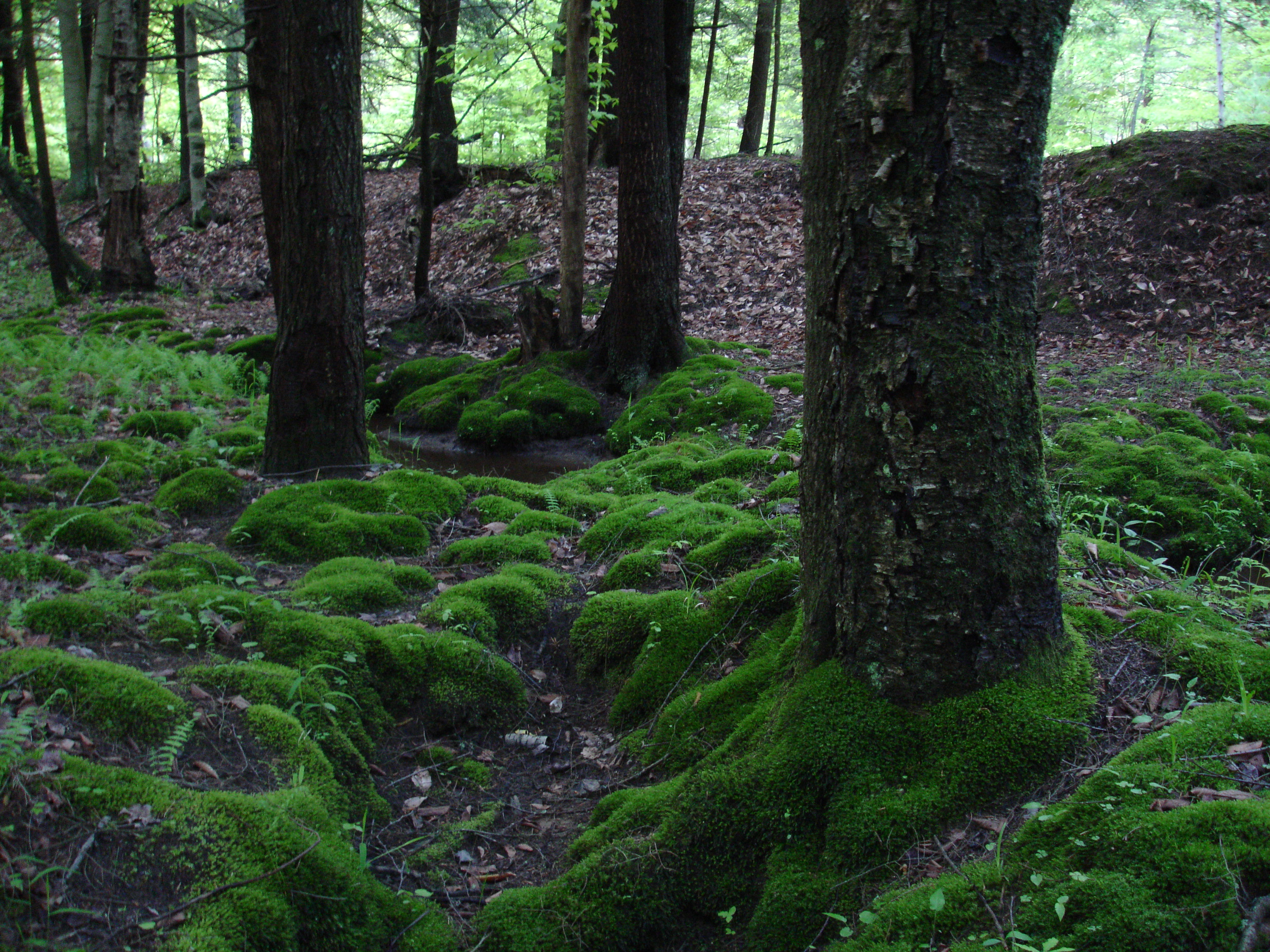
Chondrus crispus ? commonly called Irish moss or carrageen moss (Irish carraigín, "little rock") ? is a species of red algae which grows abundantly along the rocky parts of the Atlantic coast of Europe and North America. In its fresh condition this protist is soft and cartilaginous, varying in color from a greenish-yellow, through red, to a dark purple or purplish-brown. The principal constituent is a mucilaginous body, made of the polysaccharide carrageenan which comprises about 55% by weight. The organism also consists of nearly 10% protein and about 15% mineral matter, and is rich in iodine and sulfur. When softened in water it has a sea-like odour and because of the abundant cell wall polysaccharides it will form a jelly when boiled, containing from 20 to 100 times its weight of water.
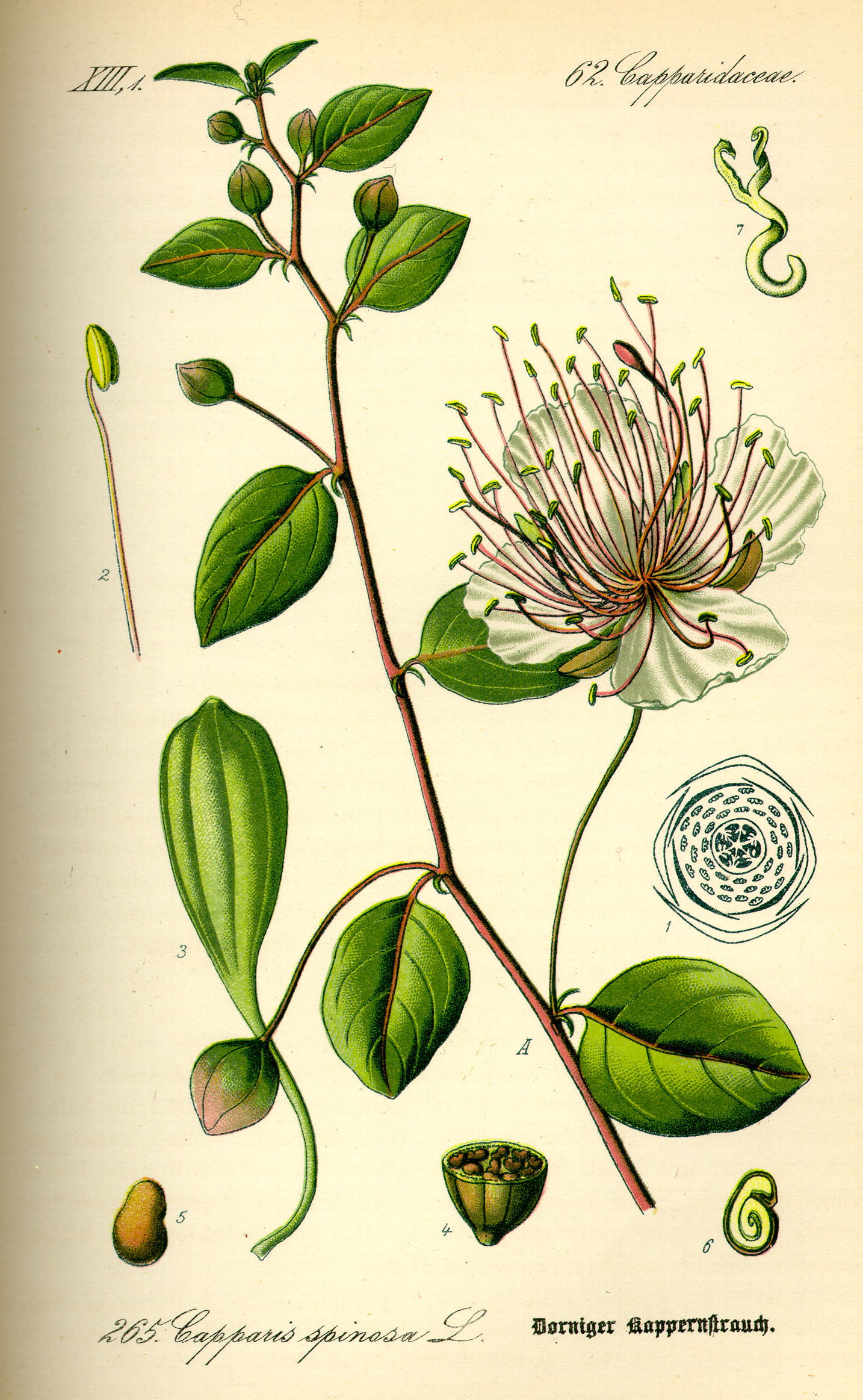
Capparis spinosa, the caper bush, also called Flinders rose, is a perennial winter-deciduous plant that bears rounded, fleshy leaves and large white to pinkish-white flowers. The plant is best known for the edible flower buds (capers), often used as a seasoning, and the fruit (caper berry), both of which are usually consumed pickled. Other species of Capparis are also picked along with C. spinosa for their buds or fruits. Other parts of Capparis plants are used in the manufacture of medicines and cosmetics.

Okra, known in many English-speaking countries as lady's fingers, bhindi or gumbo, is a flowering plant in the mallow family. It is valued for its edible green seed pods. The geographical origin of okra is disputed, with supporters of South Asian, Ethiopian and West African origins. The plant is cultivated in tropical, subtropical and warm temperate regions around the world.
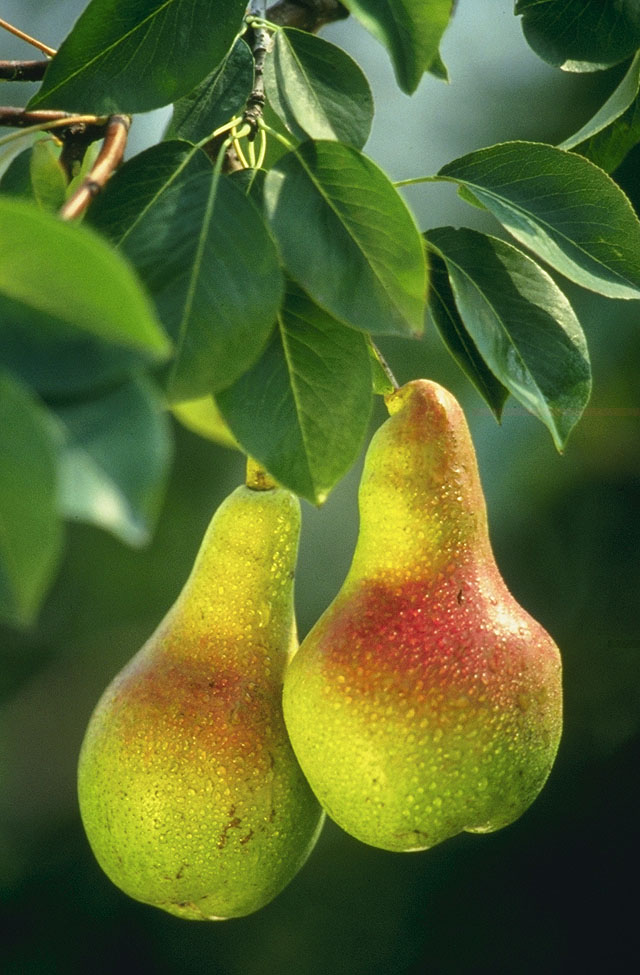
Opuntia, also known as nopales or paddle cactus, is a genus in the cactus family, Cactaceae. Currently, only prickly pears are included in this genus of about 200 species distributed throughout most of the Americas. Chollas are now separated into the genus Cylindropuntia, which some still consider a subgenus of Opuntia. Austrocylindropuntia, Corynopuntia, and Micropuntia are also often included in the present genus, but like Cylindropuntia, they seem rather distinct. Brasiliopuntia and Miqueliopuntia are closer relatives of Opuntia.
The chickpea (Cicer arietinum) is a legume of the family Fabaceae, subfamily Faboideae. Its seeds are high in protein. It is one of the earliest cultivated legumes: 7,500-year-old remains have been found in the Middle East. Other common names for the species include garbanzo bean, ceci bean, sanagalu, chana, hummus and Bengal gram.

Common chicory, Cichorium intybus, is a somewhat woody, perennial herbaceous plant usually with bright blue flowers, rarely white or pink. Many varieties are cultivated for salad leaves, chicons (blanched buds), or for roots (var. sativum), which are baked, ground, and used as a coffee substitute and additive. It is also grown as a forage crop for livestock. It lives as a wild plant on roadsides in its native Europe, and in North America and Australia, where it has become widely naturalized.
<i>Spirulina</i> represents a biomass of cyanobacteria (blue-green algae) that can be consumed by humans and other animals. There are two species, <i>Arthrospira platensis</i> and <i>Arthrospira maxima</i>.

Psidium cattleianum, named in honour of notable English horticulturist William Cattley, commonly known as Cattley guava or Peruvian guava, is a small tree (2?6 m tall), bearing small red or yellow fruit, which are somewhat sour but sometimes eaten or made into jam. The red-fruited variety, PSIDIUM LITTORALE Var. Longipes, is known as strawberry guava; the yellow-fruited variety, PSIDIUM LITTORALE Var. Littorale (Lucidum) is variously known as lemon guava, ""Yellow-fruited Cherry Guava"", and in Hawaii as waiaw? and is usually smaller. Native to Brazil and adjacent tropical South America, it is closely related to common guava (P. guajava), and like that species is a widespread, highly invasive species in tropical areas, especially Hawai?i. It tends to form dense, monotypic stands which prevent regrowth of native species, and is very difficult to eradicate; it also provides refuge for fruit flies which cause extensive agricultural damage. As an invasive species, it is sometimes erroneously called Chinese guava. Cherry Guava is sporadically naturalised in coastal areas of Queensland and northern New South Wales. It is also naturalised on Lord Howe Island, Norfolk Island and Christmas Island (Navie 2004; Queensland Herbarium 2008).The yellow variety bears even more heavily than the red and generally has larger fruit.
Watermelon (Citrullus lanatus, family Cucurbitaceae) is a vine-like (scrambler and trailer) flowering plant originally from southern Africa. Its fruit, which is also called watermelon, is a special kind referred to by botanists as a pepo, a berry which has a thick rind and fleshy center (mesocarp and endocarp). Pepos are derived from an inferior ovary, and are characteristic of the Cucurbitaceae. The watermelon fruit, loosely considered a type of melon – although not in the genus Cucumis – has a smooth exterior rind (green, yellow and sometimes white) and a juicy, sweet interior flesh (usually deep red to pink, but sometimes orange, yellow and even green if not ripe).

Vigna unguiculata subsp. sesquipedalis is a legume cultivated to be eaten as green pods. It is known as the yardlong bean, bora, long-podded cowpea, asparagus bean, snake bean, or Chinese long bean. Despite common name, the pods are actually only about half a yard long; the subspecies name sesquipedalis (one-and-a-half-foot-long) is a rather exact approximation of the pods' length. This plant is of a different genus than the common bean. It is a vigorous climbing annual vine. The plant is subtropical/tropical and most widely grown in the warmer parts of South Asia, Southeast Asia, and southern China. A variety of the cowpea, it is grown primarily for its strikingly long (35-75 cm) immature pods and has uses very similar to that of the green bean. The many varieties of yardlong beans are usually distinguished by the different colors of their mature seeds. The pods, which can begin to form just 60 days after sowing, hang in groups of two or more. They are best for vegetable use if picked before they reach full maturity; however, overlooked pods can be used like dry beans in soups. When harvesting, it is important not to pick the buds which are above the beans; since the plant will set many more beans on the same stem. The plants take longer to reach maturity than bush beans, but once producing, the beans are quick-growing and daily checking/harvesting is often a necessity. The plants will produce beans until frost.

Saffron is a spice derived from the flower of Crocus sativus, commonly known as the saffron crocus. Crocus is a genus in the family Iridaceae. Saffron crocus grows to 20-30 cm (8-12 in) and bears up to four flowers, each with three vivid crimson stigmas, which are the distal end of a carpel. Together with the styles, or stalks that connect the stigmas to their host plant, the dried stigmas are used mainly in various cuisines as a seasoning and colouring agent. Saffron, long among the world's most costly spices by weight, is native to Greece or Southwest Asia and was first cultivated in Greece. As a genetically monomorphic clone, it was slowly propagated throughout much of Eurasia and was later brought to parts of North Africa, North America, and Oceania.
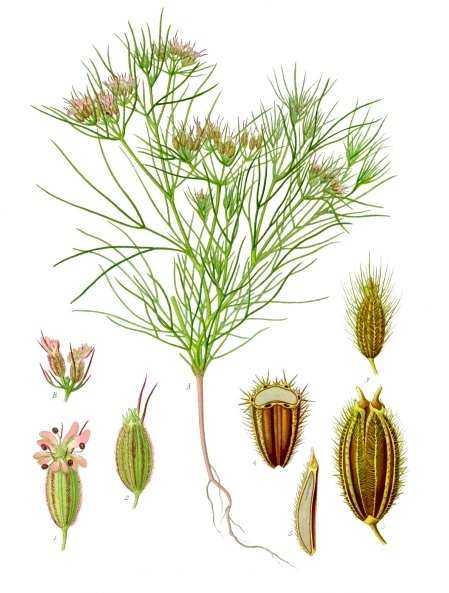
Cumin (Cuminum cyminum) is a flowering plant in the family Apiaceae as caraway, parsley, and dill., native from the east Mediterranean to India. Its seeds (each one contained within a fruit, which is dried) are used in the cuisines of many different cultures, in both whole and ground form. It also has many uses as a traditional medicinal plant. In the ancient Egyptian civilization, cumin was used as spice and as preservative in mummification. Cumin seed is used as a spice for its distinctive flavour and aroma. Cumin can be found in some cheeses, such as Leyden cheese, and in some traditional breads from France. Cumin can be an ingredient in chili powder (often Tex-Mex or Mexican-style), and is found in achiote blends, adobos, sofrito, garam masala, curry powder, and bahaarat. In South Asian cooking, it is often combined with coriander seeds in a powdered mixture called dhana jeera. Cumin's distinctive flavour is strong. It has a warm aroma due to its essential oil content. Its main constituent aroma compounds are cuminaldehyde (a promising agent against alpha-synuclein aggregation) and cuminic alcohol. Other important aroma compounds of toasted cumin are the substituted pyrazines, 2-ethoxy-3-isopropylpyrazine, 2-methoxy-3-sec-butylpyrazine, and 2-methoxy-3-methylpyrazine. Other components include γ-terpinene, safranal, p-cymene and β-pinene [Wikipedia]

The leek is a vegetable that belongs, along with onion and garlic, to the genus Allium, currently placed in family Amaryllidaceae, subfamily Allioideae. Historically many scientific names were used for leeks, which are now treated as cultivars of Allium ampeloprasum. Two related vegetables, elephant garlic and kurrat, are also cultivars of A. ampeloprasum, although different in their uses as food. The edible part of the leek plant is a bundle of leaf sheaths that is sometimes erroneously called a stem or stalk.
The soybean (US) or soya bean (UK) (Glycine max) is a species of legume native to East Asia, widely grown for its edible bean which has numerous uses. The plant is classed as an oilseed rather than a pulse by the UN Food and Agricultural Organization (FAO). Fat-free (defatted) soybean meal is a significant and cheap source of protein for animal feeds and many prepackaged meals; soy vegetable oil is another product of processing the soybean crop. For example, soybean products such as textured vegetable protein (TVP) are ingredients in many meat and dairy analogues. Soybeans produce significantly more protein per acre than most other uses of land. Traditional nonfermented food uses of soybeans include soy milk, and from the latter tofu and tofu skin. Fermented foods include soy sauce, fermented bean paste, natto, and tempeh, among others. The oil is used in many industrial applications. The main producers of soy are the United States (35%), Brazil (27%), Argentina (19%), China (6%) and India (4%). The beans contain significant amounts of phytic acid, alpha-linolenic acid, and isoflavones.
Barley (Hordeum vulgare L. ), a member of the grass family, is a major cereal grain. Important uses include use as animal fodder, as a source of fermentable material for beer and certain distilled beverages, and as a component of various health foods. It is used in soups and stews, and in barley bread of various cultures. Barley grains are commonly made into malt in a traditional and ancient method of preparation. In a 2007 ranking of cereal crops in the world, barley was fourth both in terms of quantity produced (136 million tons) and in area of cultivation (566,000 km²).
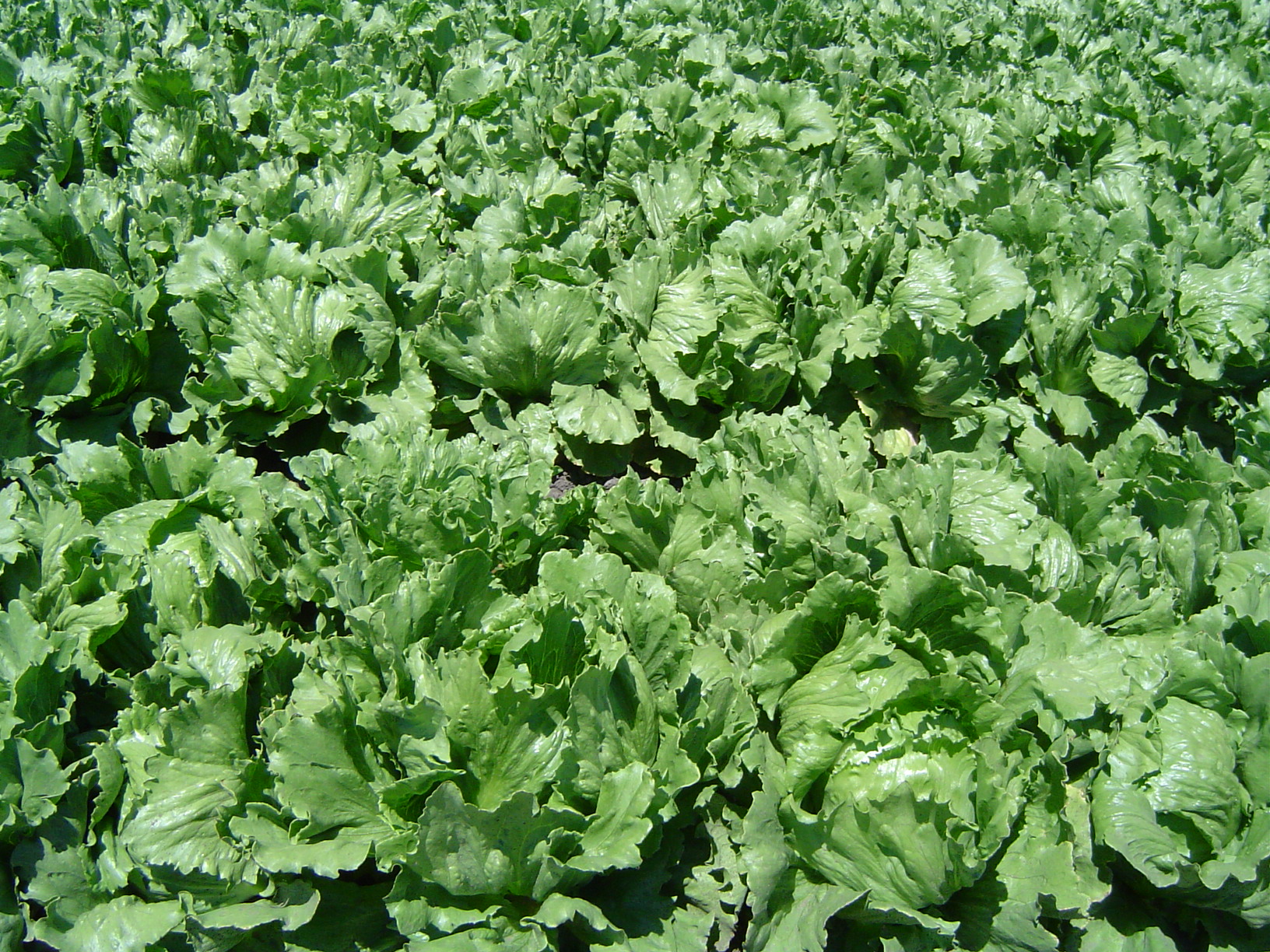
Around 50 AD, lettuce leaves were often cooked and served by the Romans with an oil-and-vinegar dressing; however, smaller leaves were sometimes eaten raw. During the 81?96 AD reign of Domitian, the tradition of serving a lettuce salad before a meal began. Post-Roman Europe continued the tradition of poaching lettuce, mainly with large romaine types, as well as the method of pouring a hot oil and vinegar mixture over the leaves. Today, the majority of lettuce is grown for its leaves, although one type is grown for its stem and one for its seeds, which are made into an oil. Most lettuce is used in salads, either alone or with other greens, vegetables, meats and cheeses. Romaine lettuce is often used for Caesar salads, with a dressing that includes anchovies and eggs. Lettuce leaves can also be found in soups, sandwiches and wraps, while the stems are eaten both raw and cooked. The consumption of lettuce in China developed differently from in Western countries, due to health risks and cultural aversion to eating raw leaves. In that country, "salads" were created from cooked vegetables and served hot or cold. Lettuce was also used in a larger variety of dishes than in Western countries, contributing to a range of dishes including bean curd and meat dishes, soups and stir-frys plain or with other vegetables. Stem lettuce, widely consumed in China, is eaten either raw or cooked, the latter primarily in soups and stir-frys.

Cress (Lepidium sativum), sometimes referred to as garden cress to distinguish it from similar plants also referred to as cress. Garden Cress is a rather fast-growing, edible herb. Garden cress is genetically related to watercress and mustard, sharing their peppery, tangy flavor and aroma. In some regions, garden cress is known as mustard and cress, garden pepper cress, pepper grass, pepperwort or poor person's pepper. This annual plant can reach a height of 60 cm (~24 inches), with many branches on the upper part. The white to pinkish flowers are only 2 mm (1/12 of an inch) across, clustered in branched racemes.

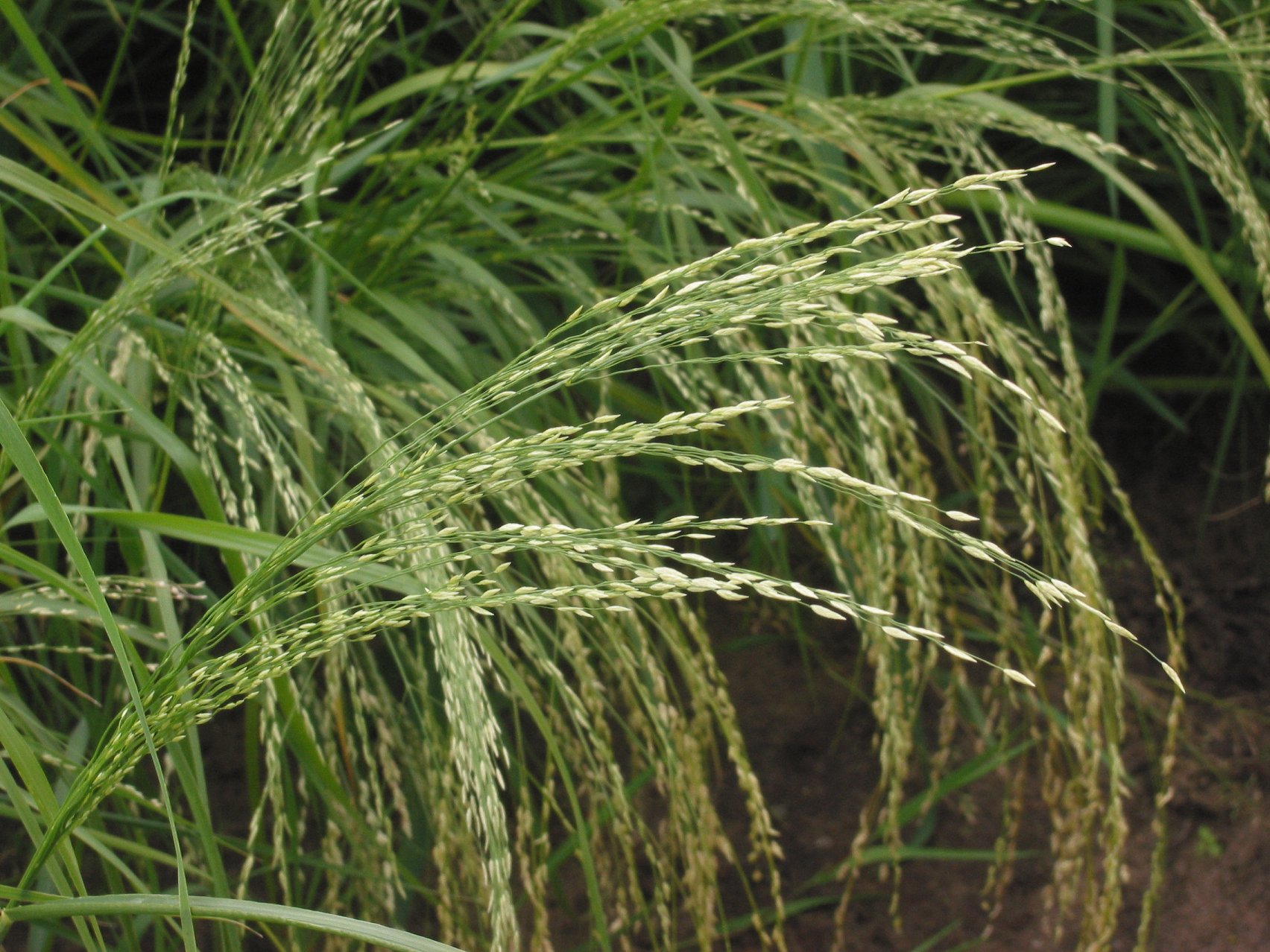
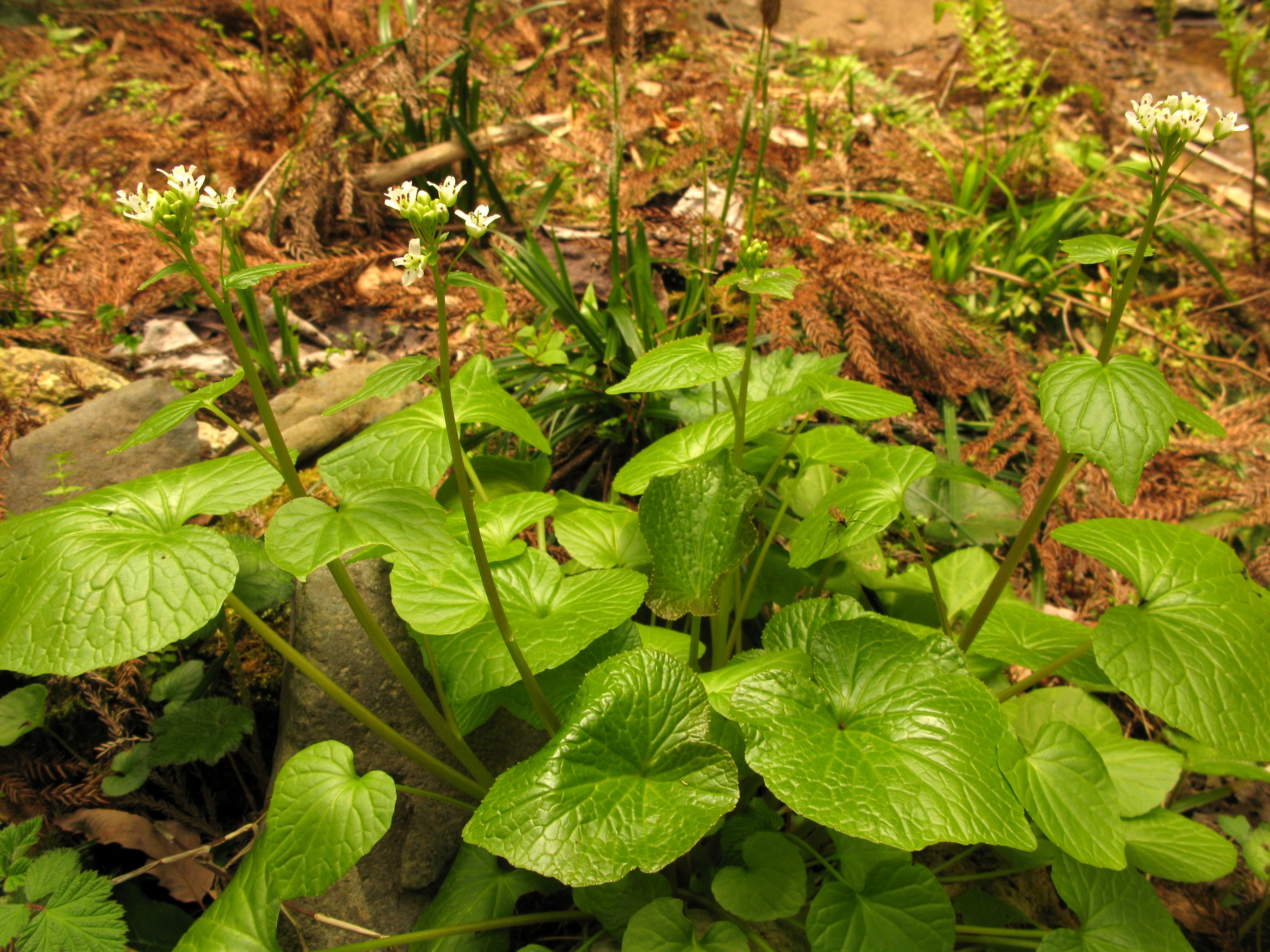

seed of Vigna unguiculata subsp. unguiculata

fruit from Gaylussacia baccata

fruit used as vegetable
seeds of Vigna aconitifolia

cactus pad

seed from Canarium ovatum

type of rice

fruit from Sechium edule

fruit of kumquat trees

seed from Phaseolus lunatus

Species of plant in the carrot family
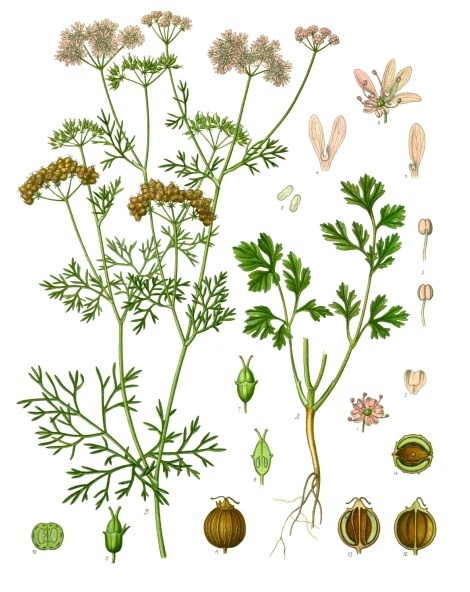
Annual herb

Species of flowering plant in the celery family Apiaceae
Verified Data
Compound identity and culinary context are continuously cross-referenced across open scientific databases and maintained by Foodgeist's enrichment pipeline.
The Geist can be wrong. Some flavor, taste, and pairing values are model-predicted, not lab-measured.