Molecular structure
glycine zwitterion
Cooking relevance
Glycine is a simple amino acid that contributes to the savory umami taste profile in foods. It appears naturally in protein-containing ingredients and is sometimes used as a food additive to enhance sweetness and umami balance in processed foods and seasonings.
- aroma
- minimal direct aroma; supports umami perception
- culinary role
- umami enhancer, sweetness modulator in formulated foods
- mass spectra
- 124 experimental spectra
Mass spectrum
A real measured fragmentation pattern · 1 of 124 experimental spectra
Sensory signature
How this molecule tastes and smells · gold is measured, dashed is a model estimate
Receptor binding
Measured in literature · peer-reviewed · how this compound interacts with biological receptors
Biochemical reactions
Metabolic reactions from curated biochemical databases · peer-reviewed
N-benzoylglycine + H2O = benzoate + glycine
N-feruloylglycine + H2O = (E)-ferulate + glycine
an aromatic L-alpha-amino acid + glyoxylate = an aromatic oxo-acid + glycine
glycine + O2 + H2O = glyoxylate + H2O2 + NH4(+)
Research associations
Literature-derived · peer-reviewed sources only · not medical advice
Foods containing this compound


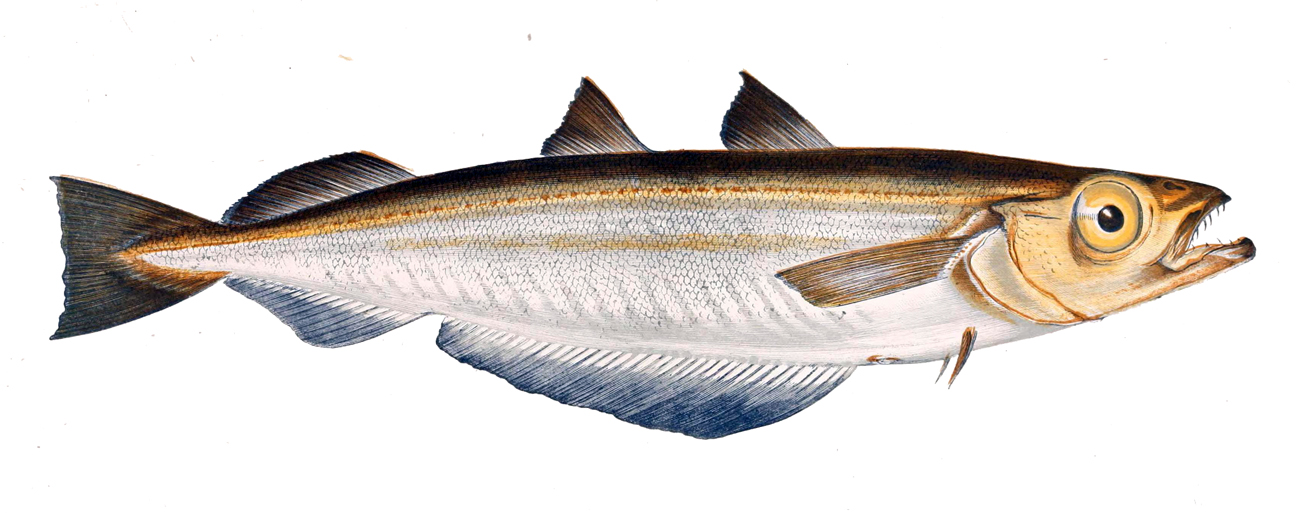
The common ling or simply the ling, Molva molva, is a large member of a family of cod-like fishes. An ocean fish whose habitat is in the Atlantic region and can be found around Iceland, Faroe Islands, British Isles, the Norse coast and occasionally around Newfoundland, the ling has a long slender body that can reach 2 metres in length; in adulthood, it is generally a deep-running fish, spending much of its life at depths of 100 m or more; younger fish are found at shallower depths. The ling is edible; its flesh is prized and can be considered interchangeable with cod in either its fresh, salted or dried forms. The salted roe of the ling is considered a delicacy in Spain and is known as huevas de maruca. The lutefisk – ling that is first dried, then soaked in water and then steeped in a lye of soda and slaked lime – is a traditional dish at the Christmas table in Sweden, Norway and Finland.
Verified Data
Compound identity and culinary context are continuously cross-referenced across open scientific databases and maintained by Foodgeist's enrichment pipeline.
The Geist can be wrong. Some flavor, taste, and pairing values are model-predicted, not lab-measured.