leucine
Molecular structure
Mass spectrum
A real measured fragmentation pattern · 1 of 112 experimental spectra
Sensory signature
How this molecule tastes and smells · gold is measured, dashed is a model estimate
Research papers
158 peer-reviewed papers reference this compound · top-cited shown
Foods containing this compound

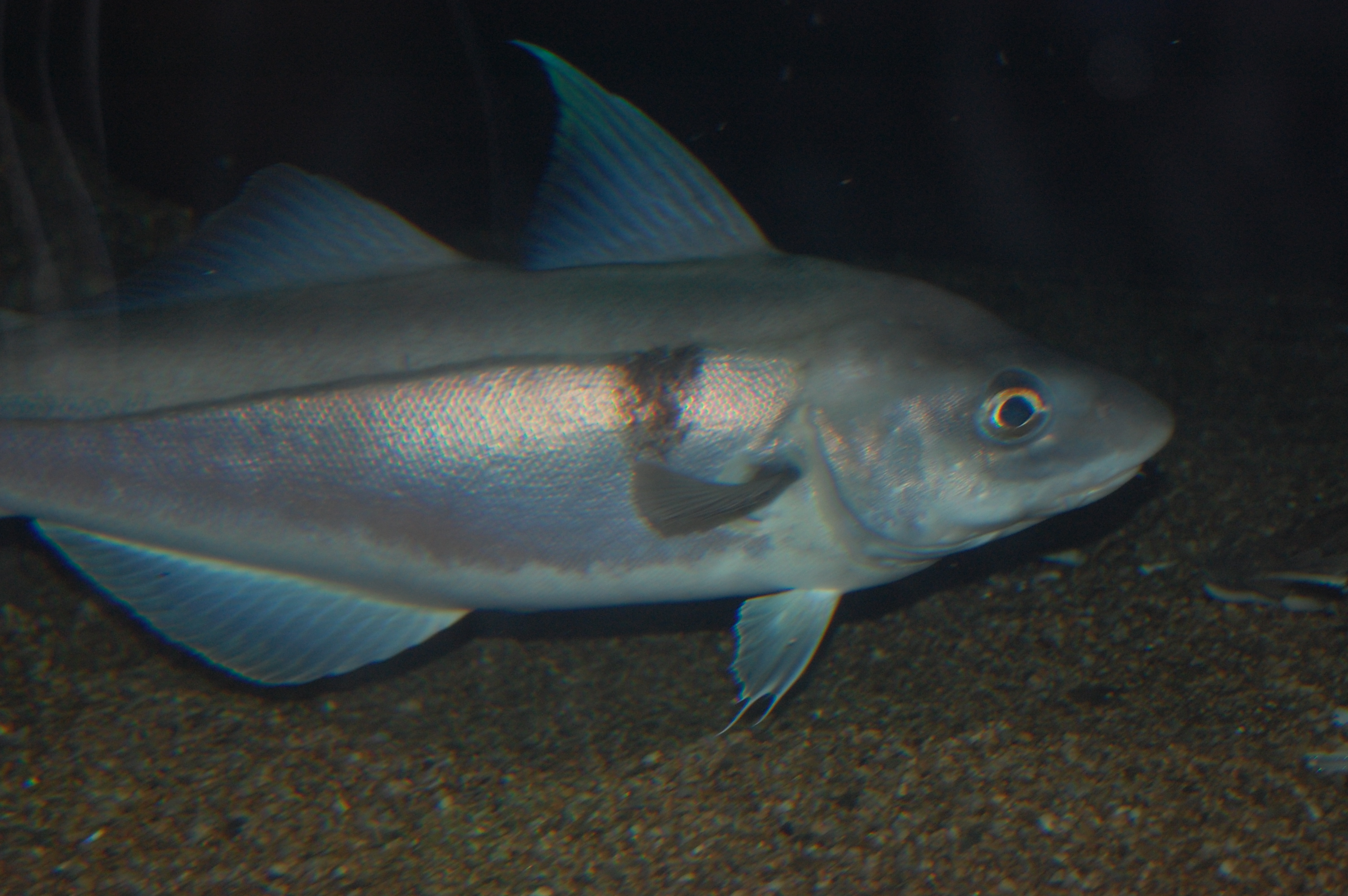
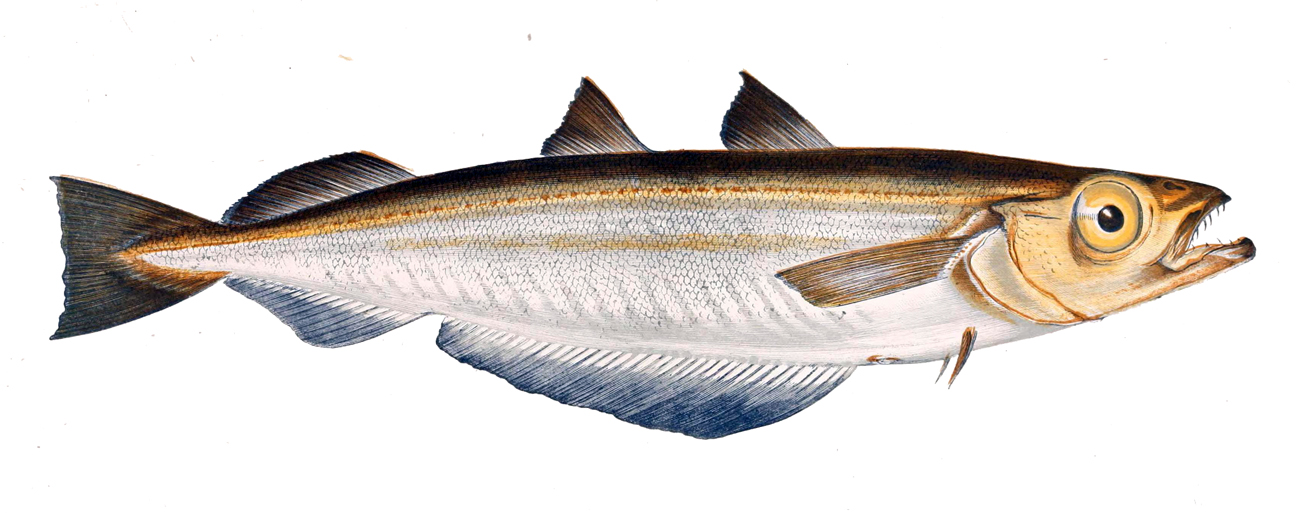
The haddock (Melanogrammus aeglefinus) is a marine fish distributed on both sides of the North Atlantic. Haddock is a popular food fish and is widely fished commercially.
The northern pike (Esox lucius), known simply as a pike in Britain, Ireland, Canada, and most parts of the USA, also called jackfish or simply "northern" in the Upper Midwest of the USA), is a species of carnivorous fish of the genus Esox (the pikes). They are typical of brackish and fresh waters of the Northern Hemisphere (i.e. holarctic in distribution). Pike grow to a relatively large size; lengths of 150 cm (59 in) and weights of 25 kg (55 lb) are not rare. The average length is about 70-120 cm (28-47 in). The heaviest specimen known so far was caught in 1983 at an abandoned stone quarry in Germany, where the species is known as a Hecht. She (the majority of all pikes over 8 kg or 18 lb are females) was 147 cm (58 in) long and weighed 31 kg (68 lb). The longest pike ever recorded and confirmed was 152 cm (60 in) long and weighed 28 kg (62 lb). A pike of 60.5 in (154 cm) was caught and released in May 2004 in Apisko Lake, Manitoba. Historic reports of giant pike, caught in nets in Ireland in the late 19th century, of 41-42 kg (90-93 lb) with a length of 173-175 cm (67-68 in), were researched by Fred Buller and published in The Domesday Book of Mammoth Pike.
Verified Data
Compound identity and culinary context are continuously cross-referenced across open scientific databases and maintained by Foodgeist's enrichment pipeline.
The Geist can be wrong. Some flavor, taste, and pairing values are model-predicted, not lab-measured.