Molecular structure
calciol
Mass spectrum
A real measured fragmentation pattern · 1 of 11 experimental spectra
Receptor binding
Measured in literature · peer-reviewed · how this compound interacts with biological receptors
Biochemical reactions
Metabolic reactions from curated biochemical databases · peer-reviewed
calciol + reduced [NADPH--hemoprotein reductase] + O2 = calcidiol + oxidized [NADPH--hemoprotein reductase] + H2O + H(+)
7-dehydrocholesterol + hnu = calciol
calciol + 2 reduced [adrenodoxin] + O2 + 2 H(+) = calcidiol + 2 oxidized [adrenodoxin] + H2O
calciol + 2 reduced [2Fe-2S]-[ferredoxin] + O2 + 2 H(+) = calcidiol + 2 oxidized [2Fe-2S]-[ferredoxin] + H2O
Research associations
Literature-derived · peer-reviewed sources only · not medical advice
Foods containing this compound


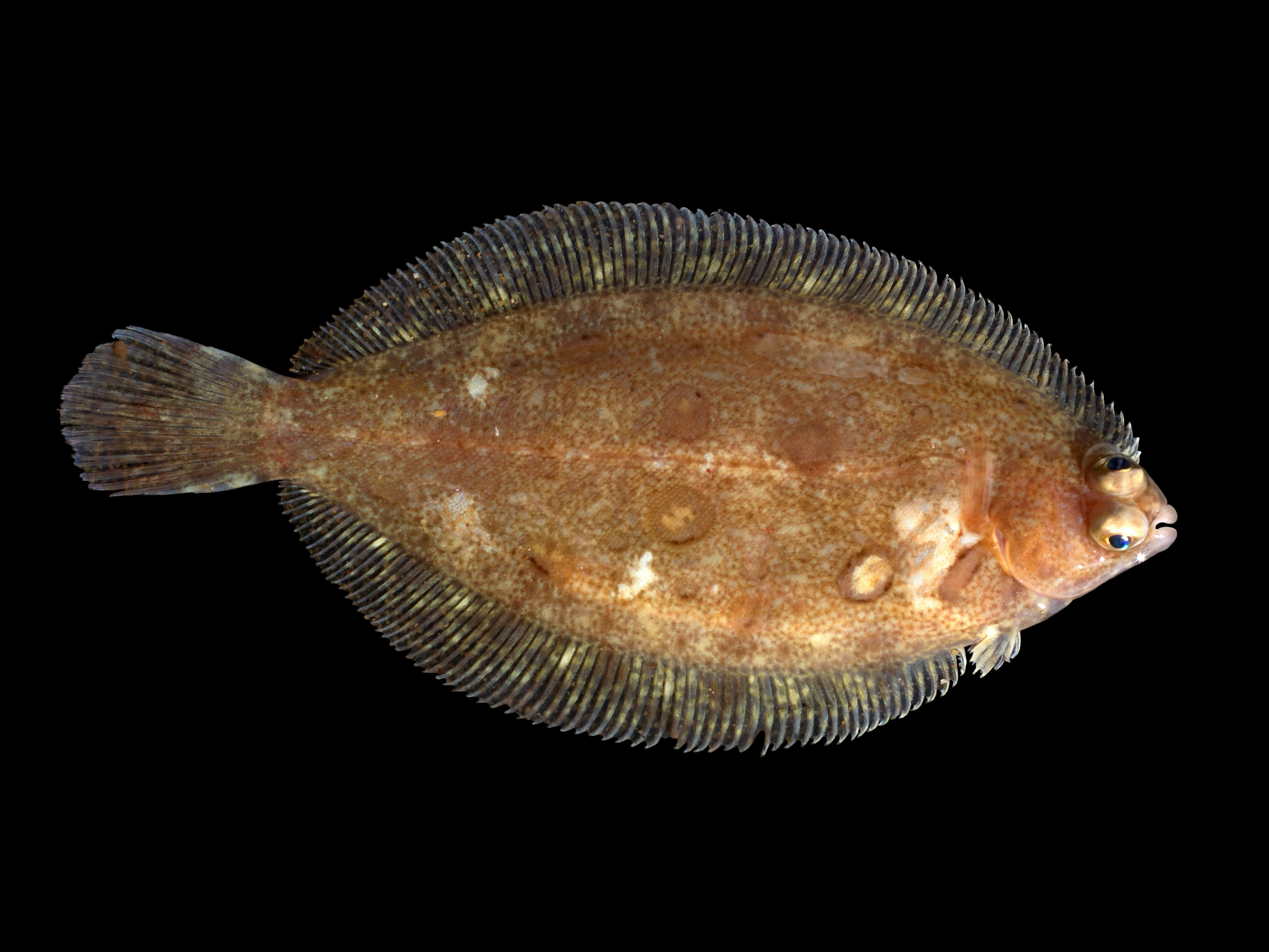
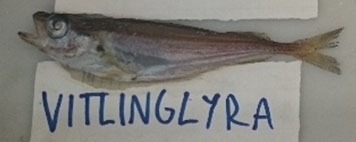
The Greenland halibut or Greenland turbot (Reinhardtius hippoglossoides) belongs to the Pleuronectidae family (the right eye flounders), and is the only species of the genus Reinhardtius. It is a deepwater fish distributed from 200 to 1600 m but has been caught at depths more than 2,200 m . It is mainly found in waters with temperatures from 1-4 °C, but has also observed at sub-zero temperatures down to -2.1 °C. It has a circumpolar distribution and is found in both the Atlantic and the Pacific oceans. Its morphology with the left eye positioned on the dorsal ridge of the forehead gives it an appearance of a cyclops when looking straight at it. The central position of the left eye in the Greenland halibut probably gives it a much wider range of peripheral vision in comparison to other flatfish where the eye has migrated completely. The body shape is elongated and compressed dorsal-ventrally and muscles on both sides are equally developed. Both sides are pigmented; however the left blind side is slightly lighter in color than the right side. Its physical appearance suggests it to be a vigorous swimmer that can swim in a vertical position. Vertical swimming has been observed during tagging experiments. However, video analyzing of Greenland halibut behavior in front of a bottom trawl showed no sign of swimming in a vertical position. Even though most Greenland halibut are caught in bottom fishing gears (trawl, longline and gillnet) they have also been caught in surface drift nets which indicates that they can have a pelagic occurrence. Stomach analysis has also shown that the diet consists mostly of pelagic or bathypelagic organisms. Even though the Greenland halibut is a flatfish it does at times behave more like a roundfish.
Verified Data
Compound identity and culinary context are continuously cross-referenced across open scientific databases and maintained by Foodgeist's enrichment pipeline.
The Geist can be wrong. Some flavor, taste, and pairing values are model-predicted, not lab-measured.