CDP-DG(16:0/18:1(11Z))
Molecular structure
Foods containing this compound


Black raisins are made by drying out black Corinth seedless grapes under the sun or in a dehydrator. They have a darker colour compared to the other raisin varieties and are tangy and sweet. Black raisins are used in preparing smoothies, desserts and even as a garnish on salads.
Cannellini beans are the largest of the group and because of their traditional kidney shape, they can also be referred to as White Kidney Beans.Meatier than Navy or Great Northern beans, they have a nutty, earthy flavor and tender flesh, and are often used in Italian dishes like Minestrone. They retain their shape and texture well, so they’re perfect to use in salads, soups, stews, and chili.

Green lentil is a small annual legume of the pea family and it is edible seed.Green lentils can be pale or mottled green-brown in color with a glossy exterior.They have a robust, somewhat peppery flavor.It is used chiefly in soups and stews, and the herbage is used as fodder in some places.
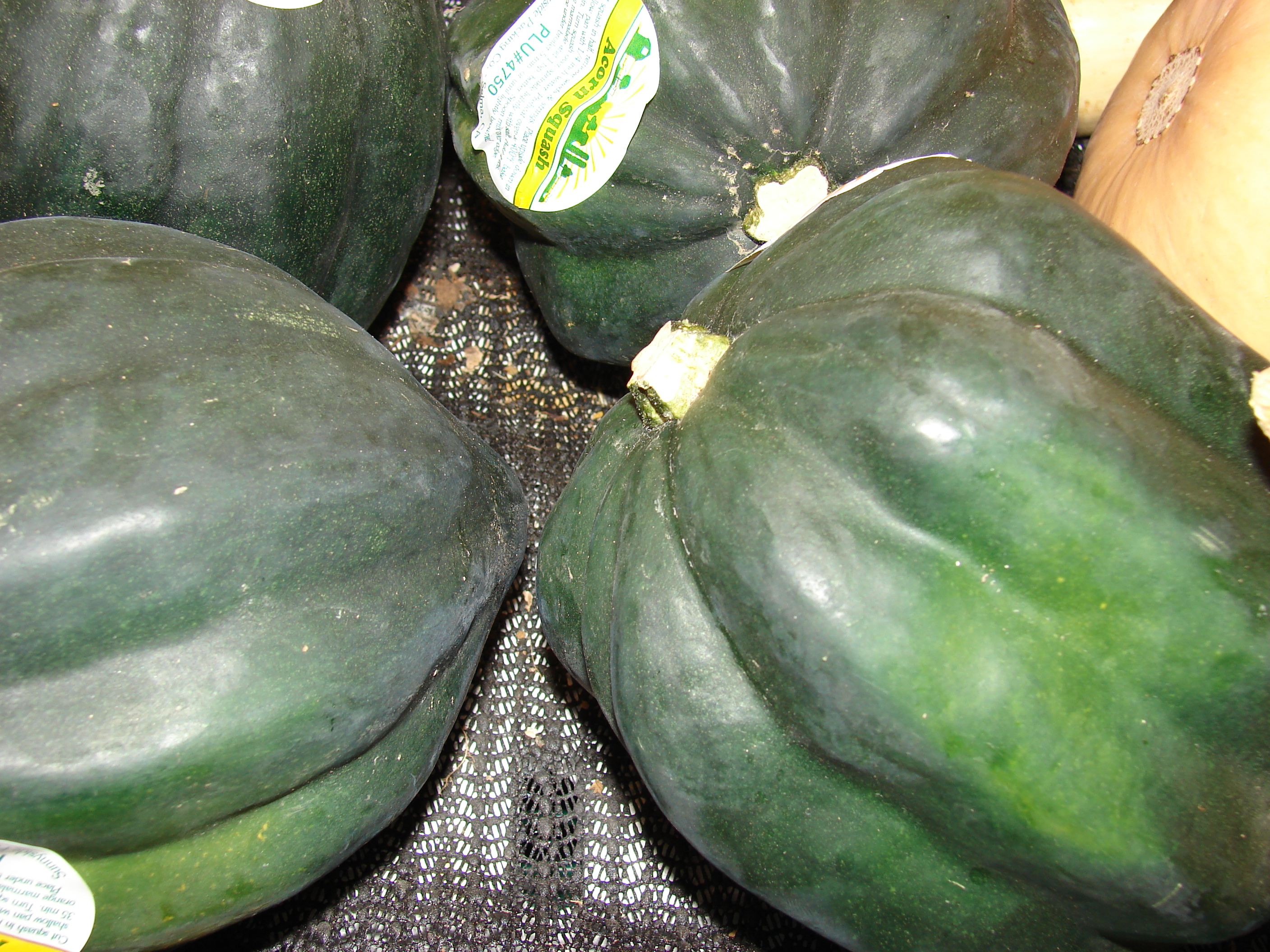
Acorn squash also called pepper squash or Des Moines squash is a winter squash with distinctive longitudinal ridges on its exterior and sweet, yellow-orange flesh inside.Although considered a winter squash, acorn squash belongs to the same species (Cucurbita pepo) as all summer squashes (including zucchini and crookneck squash).

Crisphead, also called Iceberg: lettuces form tight, dense heads that resemble cabbage. They are generally the mildest of the lettuces, valued more for their crunchy texture than for flavor. Varieties of iceberg lettuce are the most familiar lettuces in the USA. The name Iceberg comes from the way the lettuce was transported in the US in the 1930s. It was transported on trainwagons all covered in crushed ice - making it look like icebergs.
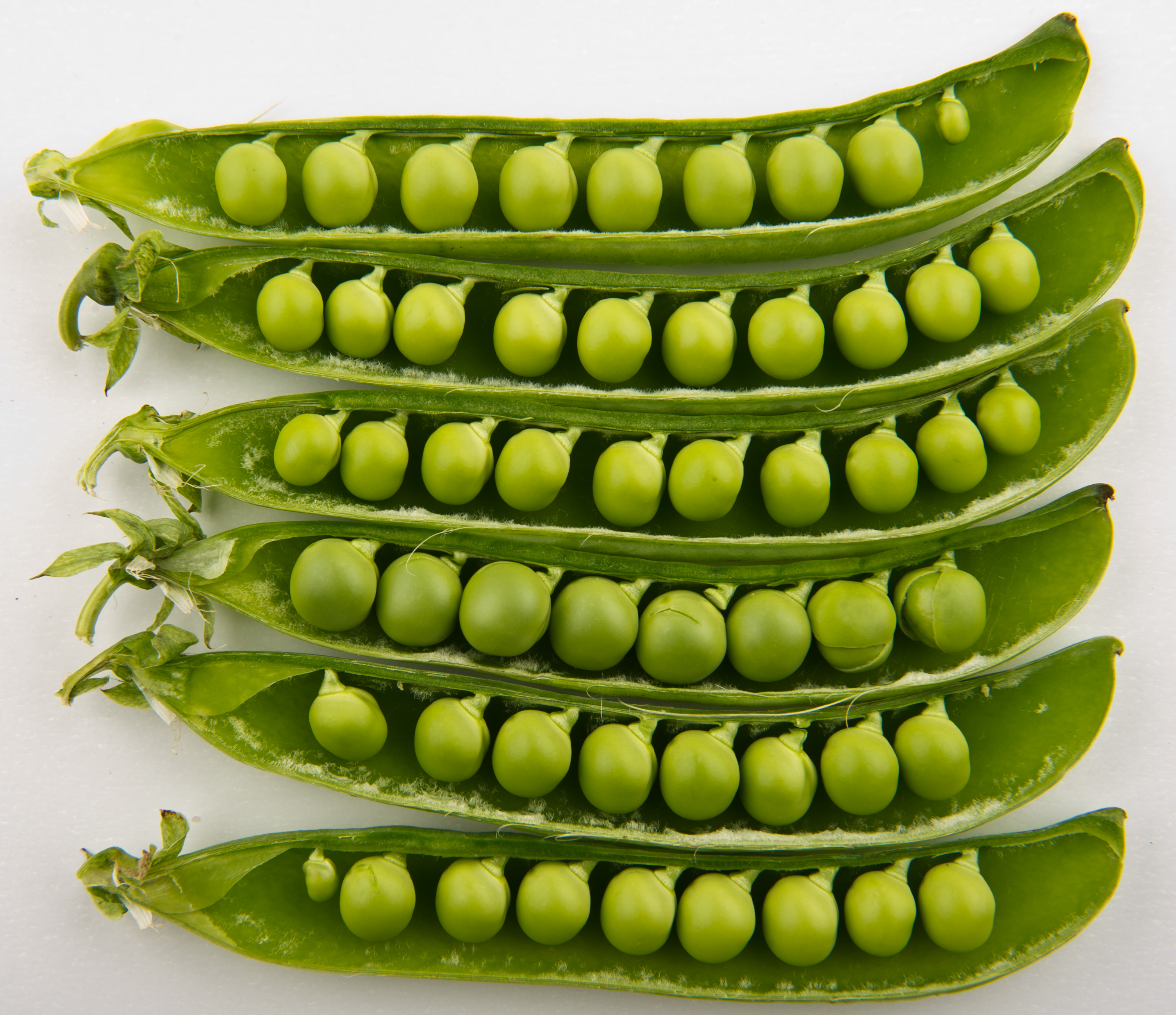
Pea shoots have long been prominent in Asian cuisine, but they're one of the newer ingredients showing up in U.S. farmer's markets.Their soft leaves, curly-cue tendrils and watery stems hold the promise of spring peas to come. But even better than that, they hold the flavor of them, too.And one of the reasons home cooks are taking to them (apart from their flavor) is because they're rich in nutrients.
Ipomoea aquatica is a semi-aquatic, tropical plant grown as a vegetable for its tender shoots and it is not known where it originated. This plant is known in English as water spinach, river spinach, water morning glory, water convolvulus, or by the more ambiguous names Chinese spinach, Chinese Watercress, Chinese convolvulus, swamp cabbage or kangkong in Southeast Asia.

Green Plum is known by various names, like greengage, kakadu plum, wild plum, and murunga. They contain a lot of fiber and are rich in Vitamin C, sodium, calcium, potassium, Vitamin K, Vitamin A, and phytonutrients.Usually, they are used in the preparation of jams, pies, tarts, and sorbets. However, some people are fond of eating them raw with salt.

Clausena lansium, also known as wampee or wampi is a species of strongly scented evergreen trees in the family Rutaceae, native to southeast Asia.The wampee is cultivated for its fruit, which looks like a grape.A hybrid, seedless wampee that is larger and juicier than the normal variety; however, it is still more sour thansweet.
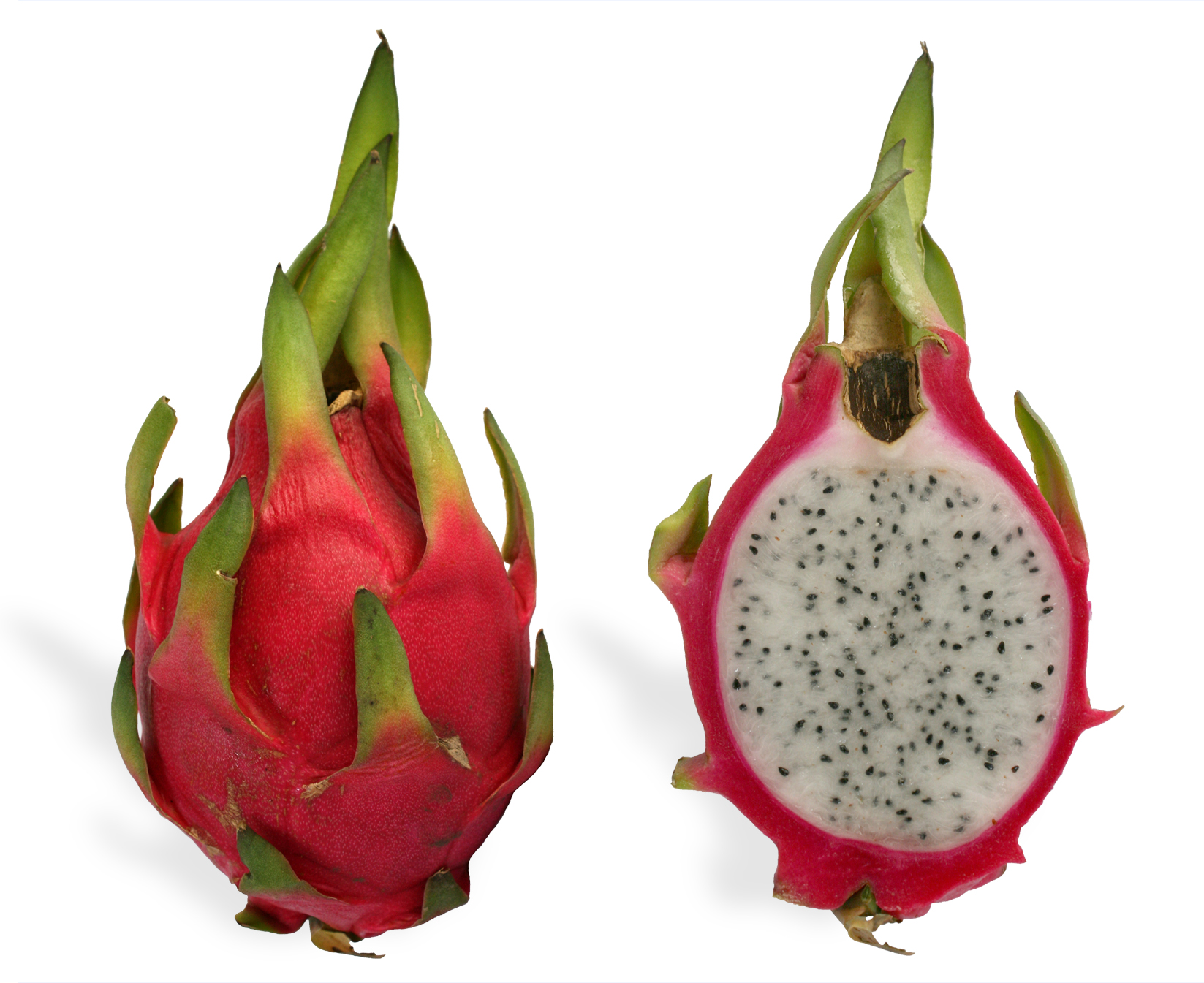
Pitaya or pitahaya is the fruit of several different cactus species indigenous to the Americas.The fruit's texture is sometimes likened to that of the kiwifruit because of its black, crunchy seeds. The seed oil contains the fatty acids, linoleic acid and linolenic acid.
Goji, goji berry or wolfberry is the fruit of Lycium barbarum and Lycium chinense. These are two very closely related species of boxthorn in the family Solanaceae (which also includes the potato, tomato, eggplant, deadly nightshade, chili pepper, and tobacco). The two species are native to Asia.
The cantaloupe, rockmelon (Australia), sweet melon, or spanspek (South Africa) is a melon that is a variety of the muskmelon species from the family Cucurbitaceae.
Crataegus commonly called hawthorn, quickthorn, thornapple,May-tree,whitethorn,or hawberry, is a genus of several hundred species of shrubs and trees in the family Rosaceae,native to temperate regions of the Northern Hemisphere in Europe, Asia and North America.

White bread typically refers to breads made from wheat flour from which the bran and the germ layers have been removed (and set aside) from the whole wheatberry as part of the flour grinding or milling process, producing a light colored flour.White bread contains 1/2 of the magnesium found in whole-wheat bread.
Physalis peruviana, a plant species of the genus Physalis in the nightshade family Solanaceae, has its origin in Peru.The plant and its fruit are commonly called Cape gooseberry, goldenberry, and physalis, among numerous regional names.Cape gooseberry is made into fruit-based sauces, pies, puddings, chutneys, jams, and ice cream, or eaten fresh in salads and fruit salads.
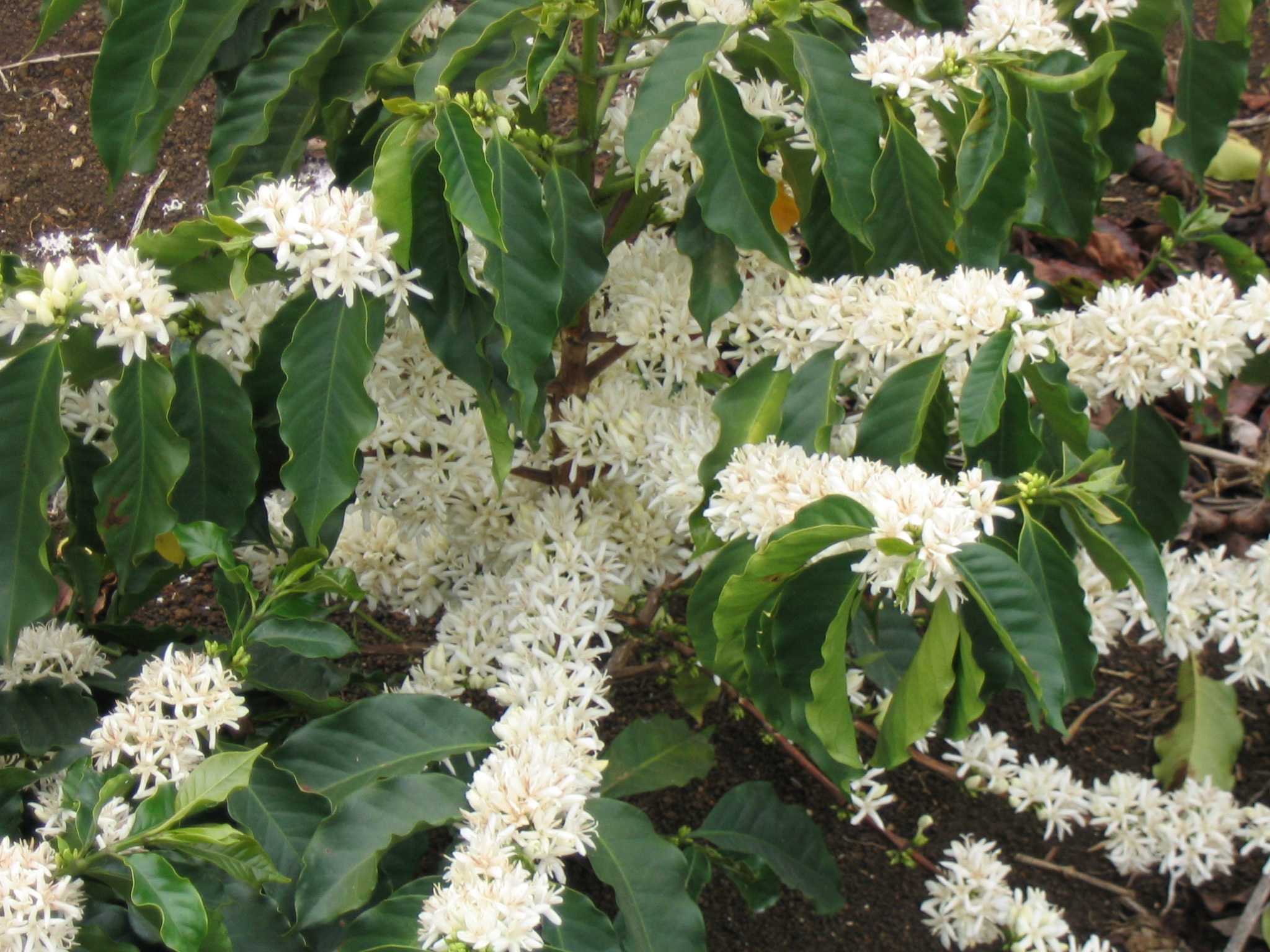
Coffea arabica is a species of Coffea originally indigenous to the mountains of the southwestern highlands of Ethiopia. It is also known as the "coffee shrub of Arabia", "mountain coffee" or "arabica coffee". Coffea arabica is believed to be the first species of coffee to be cultivated, being grown in southwest Ethiopia for well over 1,000 years.

Robusta coffee (Coffea canephora; syn. Coffea robusta) is a variety of coffee, which has its origins in central and western sub-Saharan Africa. It is a species of flowering plant in the Rubiaceae family. Though widely known as Coffea robusta, the plant is scientifically identified as Coffea canephora, which has two main varieties - Robusta and Nganda.

Hibiscus tea is the infusion made from the calyces (sepals) of the Hibiscus sabdariffa flower, an herbal tea drink consumed both hot and cold by people around the world. It is also referred to as roselle (another common name for the hibiscus flower), flor de Jamaica in Latin America, karkadé in Egypt and Sudan, Chai Kujarat in Iraq, bissap or wonjo in West Africa, sorrel in Jamaica and Trinidad and Tobago, red sorrel in the wider Caribbean, and other names in other regions. Hibiscus tea has a tart, cranberry-like flavor, and sugar is often added to sweeten the beverage. The tea contains vitamin C and minerals and is used traditionally as a mild medicine. Hibiscus tea contains 15-30% organic acids, including citric acid, maleic acid, and tartaric acid. It also contains acidic polysaccharides and flavonoid glycosides, such as cyanidin and delphinidin, that give it its characteristic deep red colour. [Wikipedia]

Soy milk is a beverage made from soybeans. A stable emulsion of oil, water, and protein, it is produced by soaking dry soybeans and grinding them with water. Soy milk contains about the same proportion of protein as cow's milk: around 3.5%; also 2% fat, 2.9% carbohydrate, and 0.5% ash. The coagulated protein from soy milk can be made into tofu, just as dairy milk can be made into cheese. [Wikipedia]

Bulgur (also bulghur, burghul or bulgar) is a cereal food made from several different wheat species, most often from durum wheat. In the United States it is most often made from white wheat. Its use is most common in Middle Eastern cuisine, Iran, Turkey, Greece, Armenia and Bulgaria. In India it is called Lapsi. [Wikipedia]

Semolina is the coarse, purified wheat middlings of durum wheat used in making pasta, and also used for breakfast cereals and puddings. Semolina is also used to designate coarse middlings from other varieties of wheat, and from other grains such as rice and corn. [Wikipedia]
Rye bread is a type of bread made with various percentages of flour from rye grain. It can be light or dark in color, depending on the type of flour used and the addition of coloring agents, and is typically denser than bread made from wheat flour. It is higher in fiber than many common types of bread and is often darker in color and stronger in flavor. [Wikipedia]

Potato bread is a form of bread in which potato replaces a portion of the regular wheat flour. It is cooked in a variety of methods, including by baking it on a hot griddle or pan, or in an oven. It may be leavened or unleavened, and may have a variety of other ingredients baked into it. The ratio of potato to wheat flour varies significantly from recipe to recipe, with some recipes having a majority of potato, and others having a majority of wheat flour. Some recipes call for mashed potatoes, with others calling for dehydrated potato flakes. It is available as a commercial product in many countries, with similar variations in ingredients, cooking method, and other variables. [Wikipedia]

Rice bread is a type of bread that is made from rice flour rather than wheat flour. Being gluten free it will not cause adverse reactions for people with gluten intolerance. [Wikipedia]

Raisin bread is a bread that contains raisins. It is often classified as a sweet bread and is sometimes combined with cinnamon sugar. Served toasted or as a dessert, the bread is commonly found in the United States, Northern Europe, Germany and Australia, where it is served toasted for breakfast. [Wikipedia]


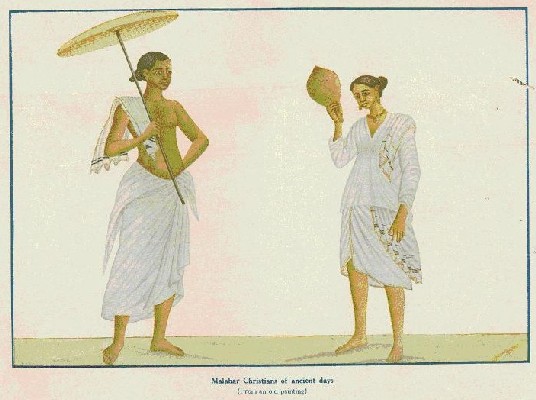
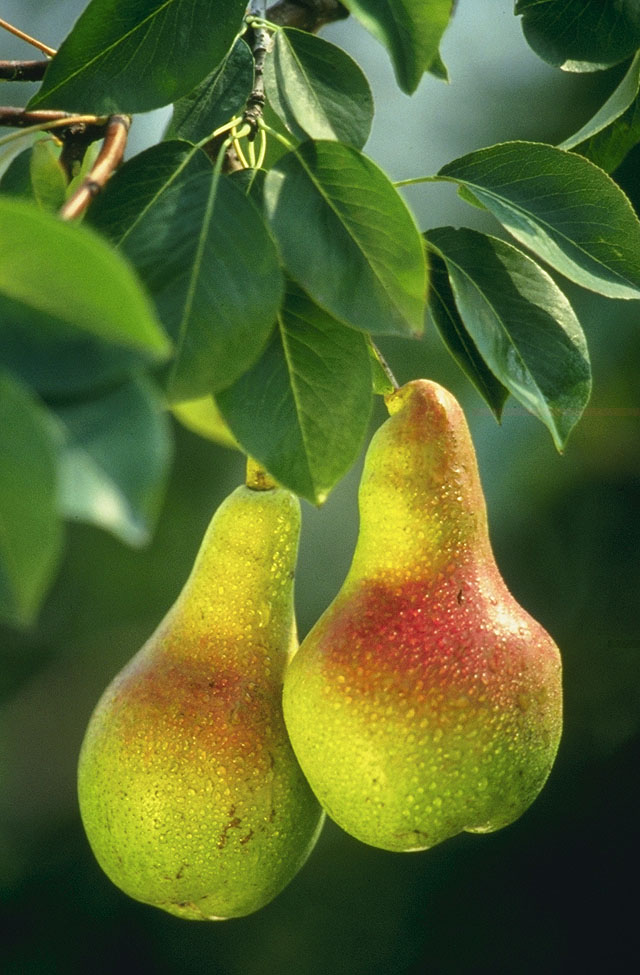
Yali pear, also called Chinese White Pear, is an interspecific hybrid species of pear widely grown in northern China. It is a type of Asian pear. Unlike the European pear, firm to touch and crispy. Yali pear is juicy and slightly sweet. [Wikipedia]
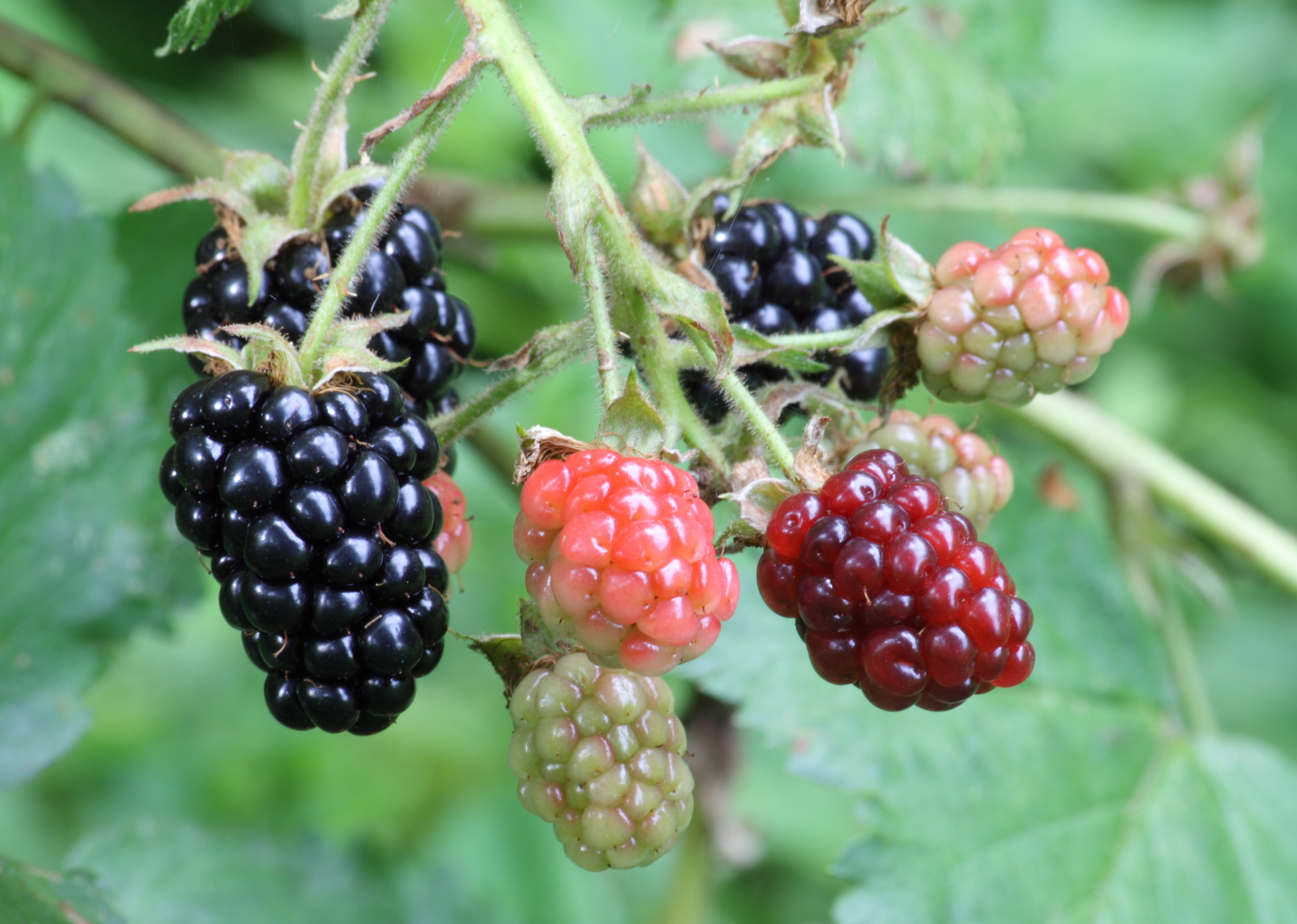
The blackberry is an edible fruit produced by many species in the genus Rubus in the family Rosaceae. Blackberry is a perennial plant that grows to 3-6 meter tall. The pale pink flowers are produced in late spring and early summer. The fruits are rich in vitamin C, anthocyanins, flavonols and ellagitannins (PMID: 22082199), they have shown the beneficial effects to human health (PMID: 22082199)
Mate is a traditional South American caffeine-rich infused drink.It is prepared by steeping dried leaves of yerba mate (Ilex paraguariensis, known in Portuguese as erva-mate) in hot water and is served with a metal straw from a shared hollow calabash gourd.The mate leaves are dried, chopped, and ground into a powdery mixture called yerba, "erva" in Portuguese, which means "herb".

Sour orange, bigarade orange,bitter orange, Seville orange, or marmalade orange is the citrus tree Citrus × aurantium and its fruit. It is native to southeast Asia and has been spread by humans to many parts of the world.

White mulberry trees that produce pure white fruit are rare. Typically, the fruits are white when immature, but gradually ripen to shades of pink or purple. They are a small variety, just a few centimeters long, and far sweeter than the black and red mulberries. They have a low acidity and a mild honey-like flavor. White mulberries are best when slightly overripe
Stachys affinis, commonly called crosne, chinese artichoke, japanese artichoke, knotroot, or artichoke betony, is a perennial herbaceous plant of the family Lamiaceae, originating from China. Its rhizome is a root vegetable that can be eaten raw, pickled, dried or cooked.

Red clover is a herbaceous, short-lived perennial plant, variable in size, growing to 20–80 cm (8–31 in) tall. The red clover is native to Europe, Western Asia, and northwest Africa.Red clover’s flowers and leaves are edible, and can be added as garnishes to any dish.The flowers often are used to make jelly and tisanes, and are used in essiac recipes.
Partridgeberries are internationally known as lingonberries. This relative of the cranberry family is a low mat forming evergreen shrub with tiny rounded leaves.These berries grow in the dry,acidic soils of Newfoundland and Labrador's barrens and coastal headlands.Tart in flavour they are high in vitamin C, tannin anthocyanin, and antioxidants.
A Mikan is a citrus fruit, also variously called Citrus unshiu, unshu mikan, Wenzhou migan, or a satsuma.

The jalapeño is a medium-sized chili pepper pod type cultivar of the species Capsicum annuum.Commonly picked and consumed while still green, it is occasionally allowed to fully ripen and turn red, orange, or yellow.

Eddoe or eddo is a tropical vegetable often considered identifiable as the species Colocasia antiquorum,closely related to taro (dasheen, Colocasia esculenta), which is primarily used for its thickened stems (corms).It has smaller corms than taro, and in most cultivars there is an acrid taste that requires careful cooking.The young leaves can also be cooked and eaten, but (unlike taro) they have a somewhat acrid taste.
Plantains are very starchy, green, and not as sweet as bananas. The word plantain can describe a specific, weedy plant, but it's also used more loosely for any bananas or banana-type fruits that are cooked rather than eaten raw. Plantains are made into sweet drinks, chips, snacks, soups, dumplings, and many more dishes. Plantain comes from the Spanish plátano, "banana."
Green apples are light green in colour and have crisp and juicy white flesh, which has a tart taste compared to red apples.

Green seedless grapes are small to medium in size and are round to slightly oval in shape, growing in tight or loose clusters depending on the variety. The skin ranges from yellow-green to bright green and is typically crisp, firm, and smooth. The flesh is pale green, semi-translucent, and seedless, though some seedless varieties may have a few underdeveloped seeds that are undetectable when consumed. Green seedless grapes are mild and sweet with a slightly tart flavor.

Red seedless grapes are small to medium in size and are round to slightly oblong in shape, growing in medium to large clusters. The hue of a Red seedless grape can vary widely depending on the variety and local growing conditions, but it usually ranges from a light red to a deep burgundy. The thin skin may also contain a dusty film, also known as a bloom, and this layer forms a natural waterproof barrier which prevents the delicate skin from cracking. The translucent flesh is juicy and is considered seedless, though a few small undetectable and undeveloped seeds may be present. Red seedless grapes are firm, crisp, and sweet with a mild, neutral flavor.

The Black Plum is oval and about 1 to 2 centimeters in length. It is dark purple to black in color, fleshy and one-seeded, with a tart, sweet-astringent taste.
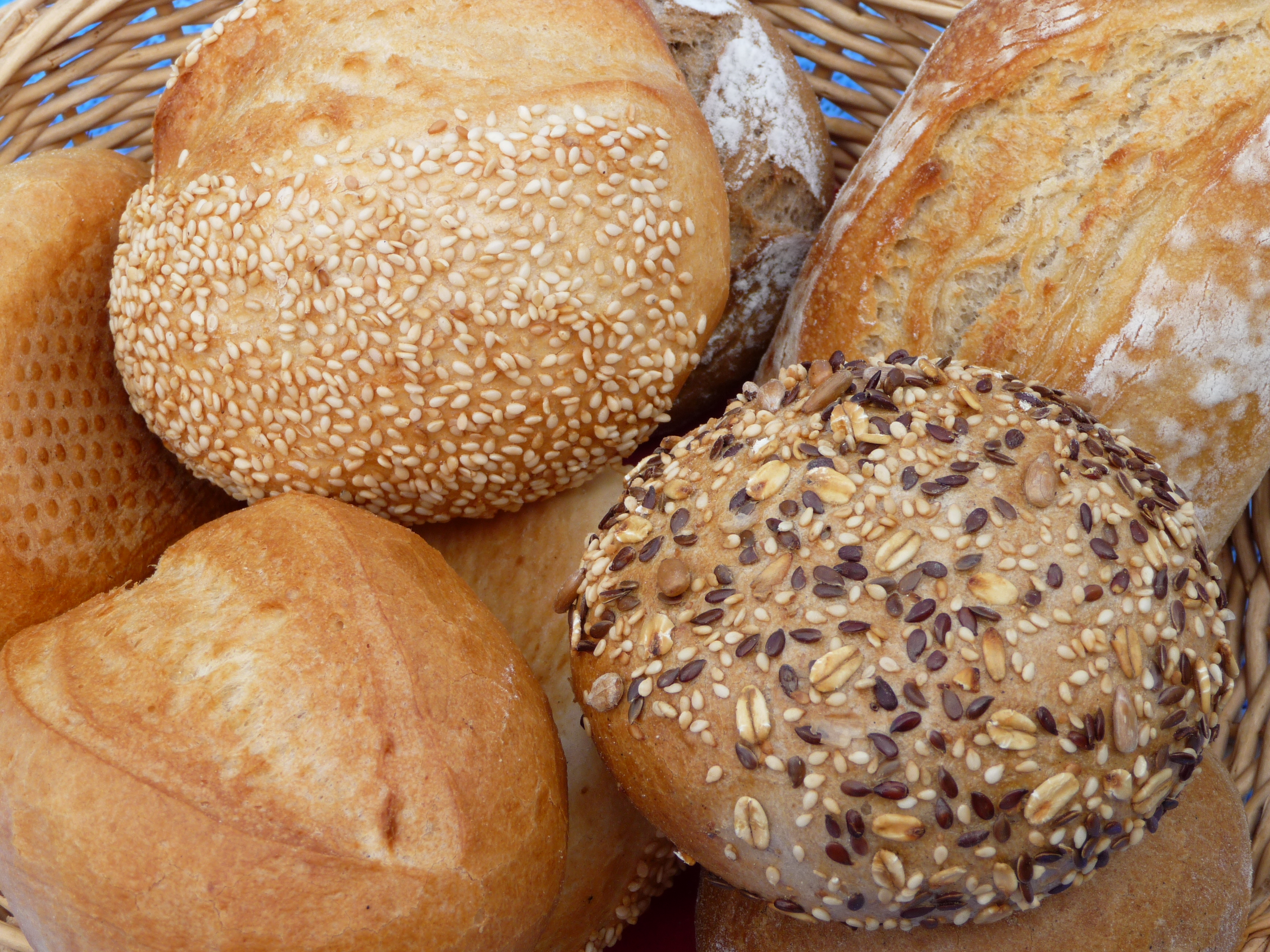

serving and drinking customs of Arabic coffee

soy-based food used as a protein source
fig cultivar

Fruit of Lycium barbarum
Fruit of Lycium barbarum
Food made from rice flour
Species of plant
Verified Data
Compound identity and culinary context are continuously cross-referenced across open scientific databases and maintained by Foodgeist's enrichment pipeline.
The Geist can be wrong. Some flavor, taste, and pairing values are model-predicted, not lab-measured.