CDP-DG(18:0/18:1(11Z))
Molecular structure
Foods containing this compound


Black raisins are made by drying out black Corinth seedless grapes under the sun or in a dehydrator. They have a darker colour compared to the other raisin varieties and are tangy and sweet. Black raisins are used in preparing smoothies, desserts and even as a garnish on salads.
Cannellini beans are the largest of the group and because of their traditional kidney shape, they can also be referred to as White Kidney Beans.Meatier than Navy or Great Northern beans, they have a nutty, earthy flavor and tender flesh, and are often used in Italian dishes like Minestrone. They retain their shape and texture well, so they’re perfect to use in salads, soups, stews, and chili.
The Cubanelle, also known as "Cuban pepper" and "Italian frying pepper",is a variety of sweet pepper of the species Capsicum annuum. When unripe, it is light yellowish-green in color, but will turn bright red if allowed to ripen.
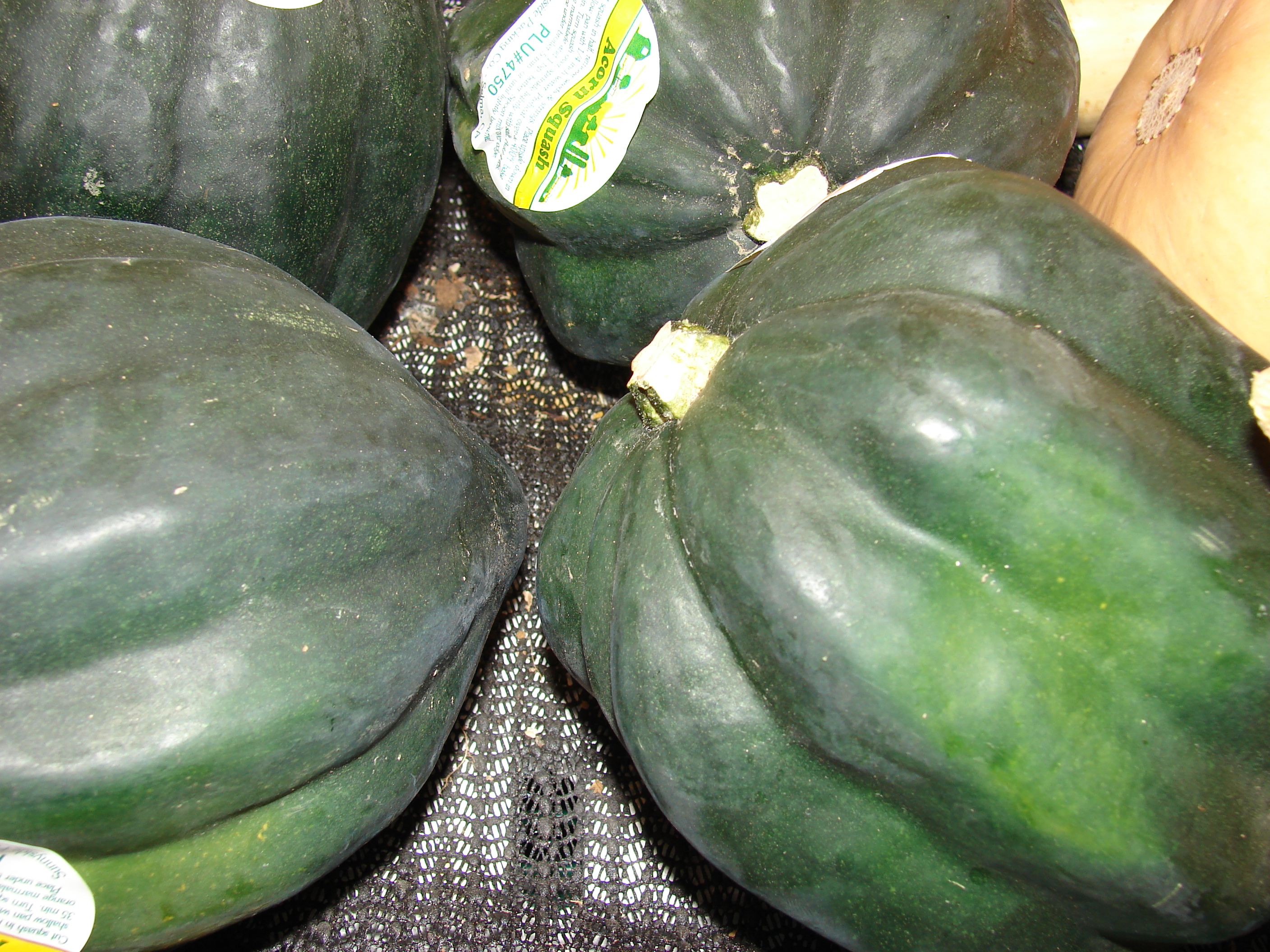
Acorn squash also called pepper squash or Des Moines squash is a winter squash with distinctive longitudinal ridges on its exterior and sweet, yellow-orange flesh inside.Although considered a winter squash, acorn squash belongs to the same species (Cucurbita pepo) as all summer squashes (including zucchini and crookneck squash).
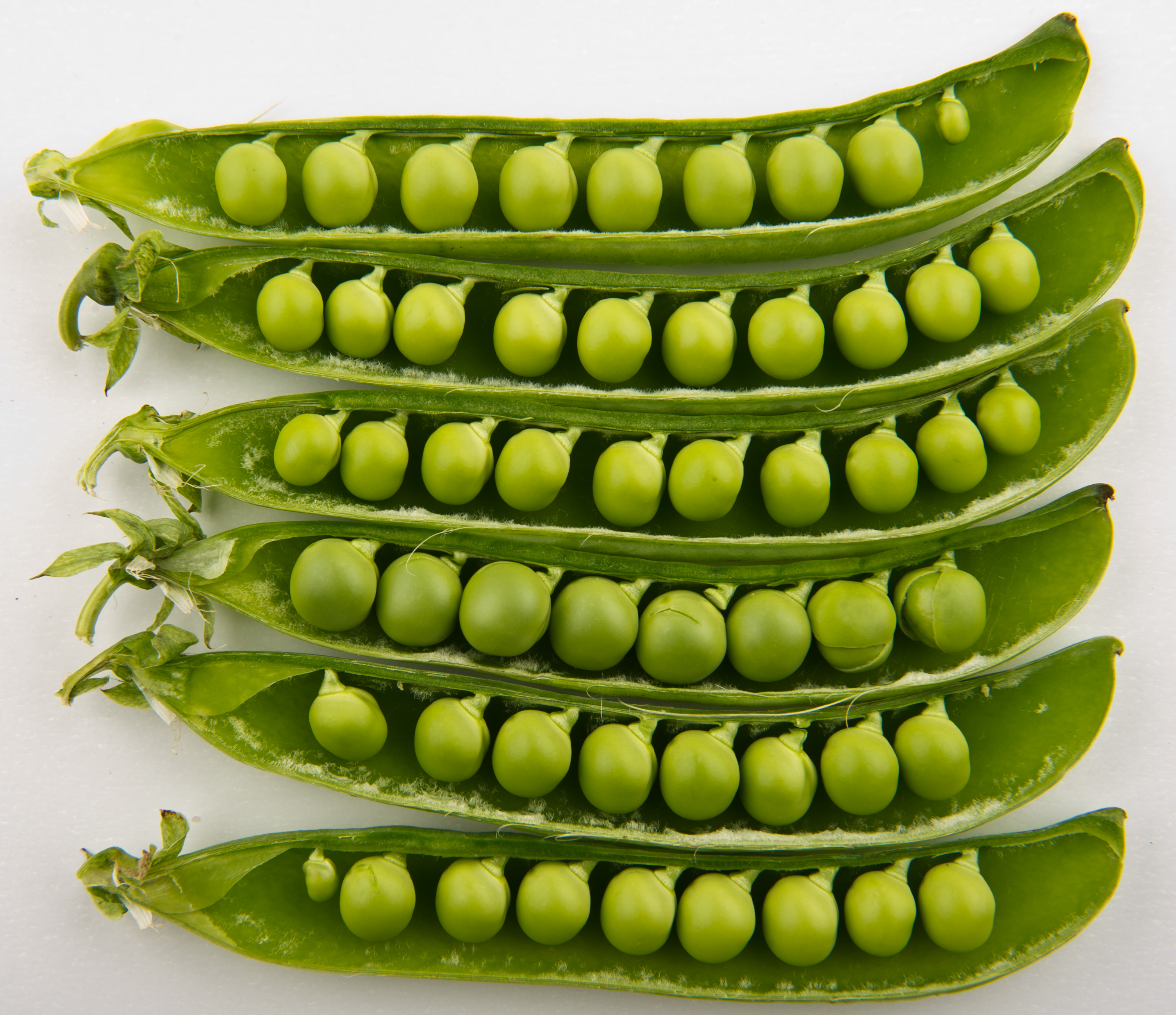
Pea shoots have long been prominent in Asian cuisine, but they're one of the newer ingredients showing up in U.S. farmer's markets.Their soft leaves, curly-cue tendrils and watery stems hold the promise of spring peas to come. But even better than that, they hold the flavor of them, too.And one of the reasons home cooks are taking to them (apart from their flavor) is because they're rich in nutrients.

Yu choy is a leafy vegetable that produces fleshy stalks 20-30 cm high with oval-shaped leaves. The branching stems are slender, crisp, smooth, and pale green, and attached to the stems are broad and flat, dark green leaves that have prominent veining spanning across the surface. There are also small, bright yellow flowers that first appear as green buds in loosely compacted clusters of 10-20 buds. The leaves, stems, and flowers of Yu choy are all edible and have a crunchy, tender consistency. Yu choy has a sweet, green taste similar to baby spinach, with subtle bitter and peppery notes.
Ipomoea aquatica is a semi-aquatic, tropical plant grown as a vegetable for its tender shoots and it is not known where it originated. This plant is known in English as water spinach, river spinach, water morning glory, water convolvulus, or by the more ambiguous names Chinese spinach, Chinese Watercress, Chinese convolvulus, swamp cabbage or kangkong in Southeast Asia.

Prunus salicina commonly called the Japanese plum or Chinese plum.The fruit is a drupe 4-7 cm in diameter with yellow-pink flesh; it can be harvested in the summer. When fully ripe it can be eaten raw.

Clausena lansium, also known as wampee or wampi is a species of strongly scented evergreen trees in the family Rutaceae, native to southeast Asia.The wampee is cultivated for its fruit, which looks like a grape.A hybrid, seedless wampee that is larger and juicier than the normal variety; however, it is still more sour thansweet.
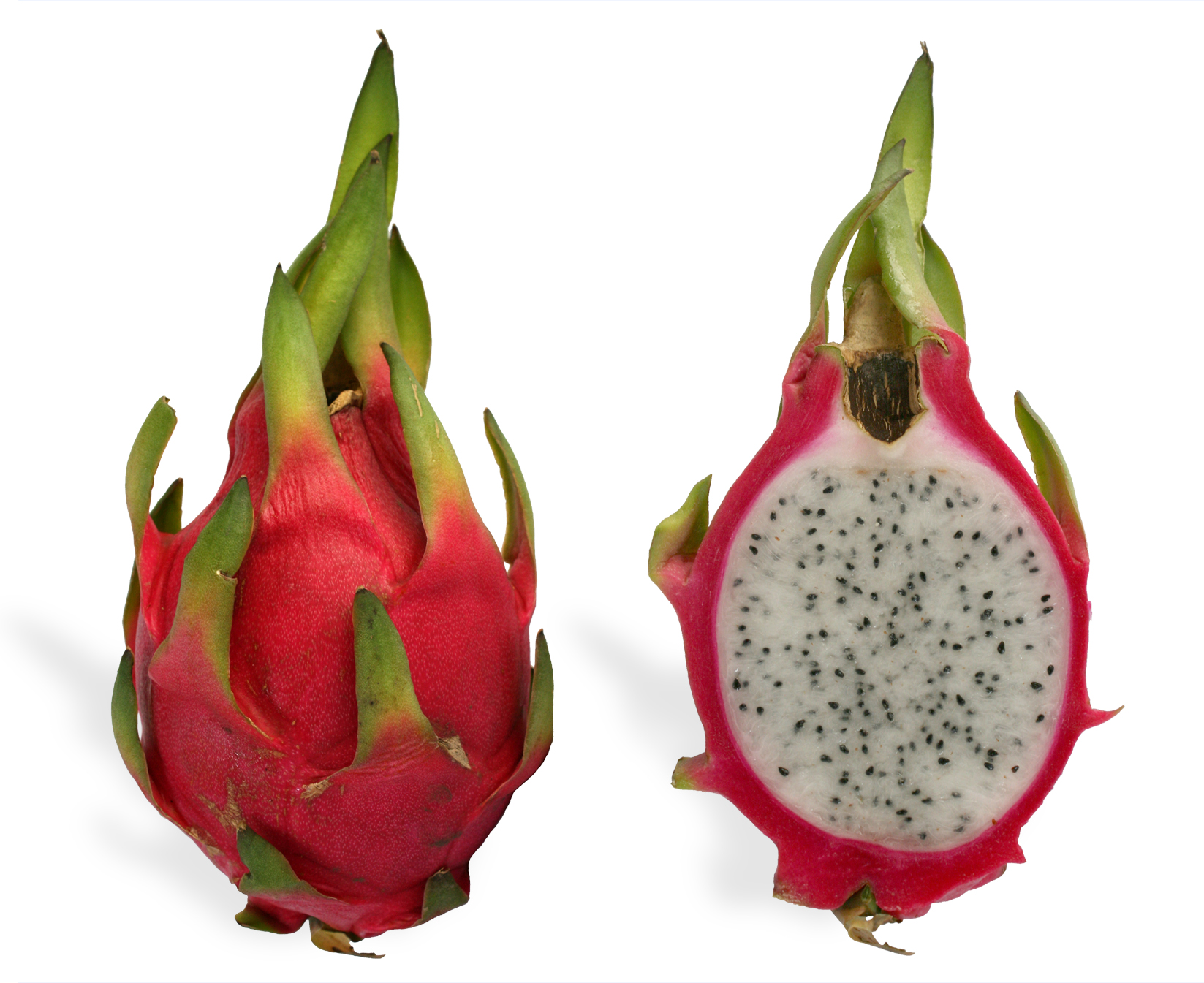
Pitaya or pitahaya is the fruit of several different cactus species indigenous to the Americas.The fruit's texture is sometimes likened to that of the kiwifruit because of its black, crunchy seeds. The seed oil contains the fatty acids, linoleic acid and linolenic acid.
Goji, goji berry or wolfberry is the fruit of Lycium barbarum and Lycium chinense. These are two very closely related species of boxthorn in the family Solanaceae (which also includes the potato, tomato, eggplant, deadly nightshade, chili pepper, and tobacco). The two species are native to Asia.

Siraitia grosvenorii (monk fruit or luo han guo) is a herbaceous perennial vine of the gourd family, Cucurbitaceae, native to southern China and northern Thailand. The plant is cultivated for its fruit, whose extract is nearly 300 times sweeter than sugar and has been used in China as a low-calorie sweetener for cooling drinks and in traditional Chinese medicine.
The cantaloupe, rockmelon (Australia), sweet melon, or spanspek (South Africa) is a melon that is a variety of the muskmelon species from the family Cucurbitaceae.
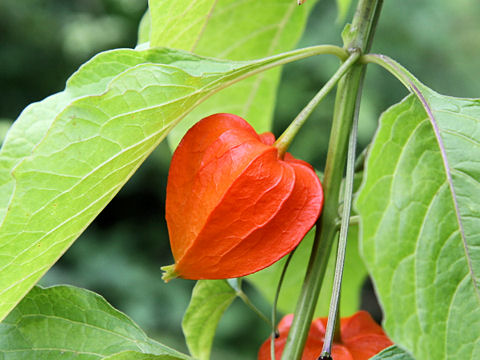
Physalis alkekengi (bladder cherry, Chinese lantern,Japanese-lantern,strawberry groundcherry,or winter cherry) is a relative of P. peruviana.It is easily identifiable by the large, bright orange to red papery covering over its fruit, which resembles paper lanterns. It grows naturally in the regions covering Southern Europe to South Asia and Northeast Asia.

The hard-shell or crispy taco is a tradition that developed in the United States. The most common type of taco in the US is the hard-shell, U-shaped version, first described in a cookbook in 1949.

Hibiscus tea is the infusion made from the calyces (sepals) of the Hibiscus sabdariffa flower, an herbal tea drink consumed both hot and cold by people around the world. It is also referred to as roselle (another common name for the hibiscus flower), flor de Jamaica in Latin America, karkadé in Egypt and Sudan, Chai Kujarat in Iraq, bissap or wonjo in West Africa, sorrel in Jamaica and Trinidad and Tobago, red sorrel in the wider Caribbean, and other names in other regions. Hibiscus tea has a tart, cranberry-like flavor, and sugar is often added to sweeten the beverage. The tea contains vitamin C and minerals and is used traditionally as a mild medicine. Hibiscus tea contains 15-30% organic acids, including citric acid, maleic acid, and tartaric acid. It also contains acidic polysaccharides and flavonoid glycosides, such as cyanidin and delphinidin, that give it its characteristic deep red colour. [Wikipedia]
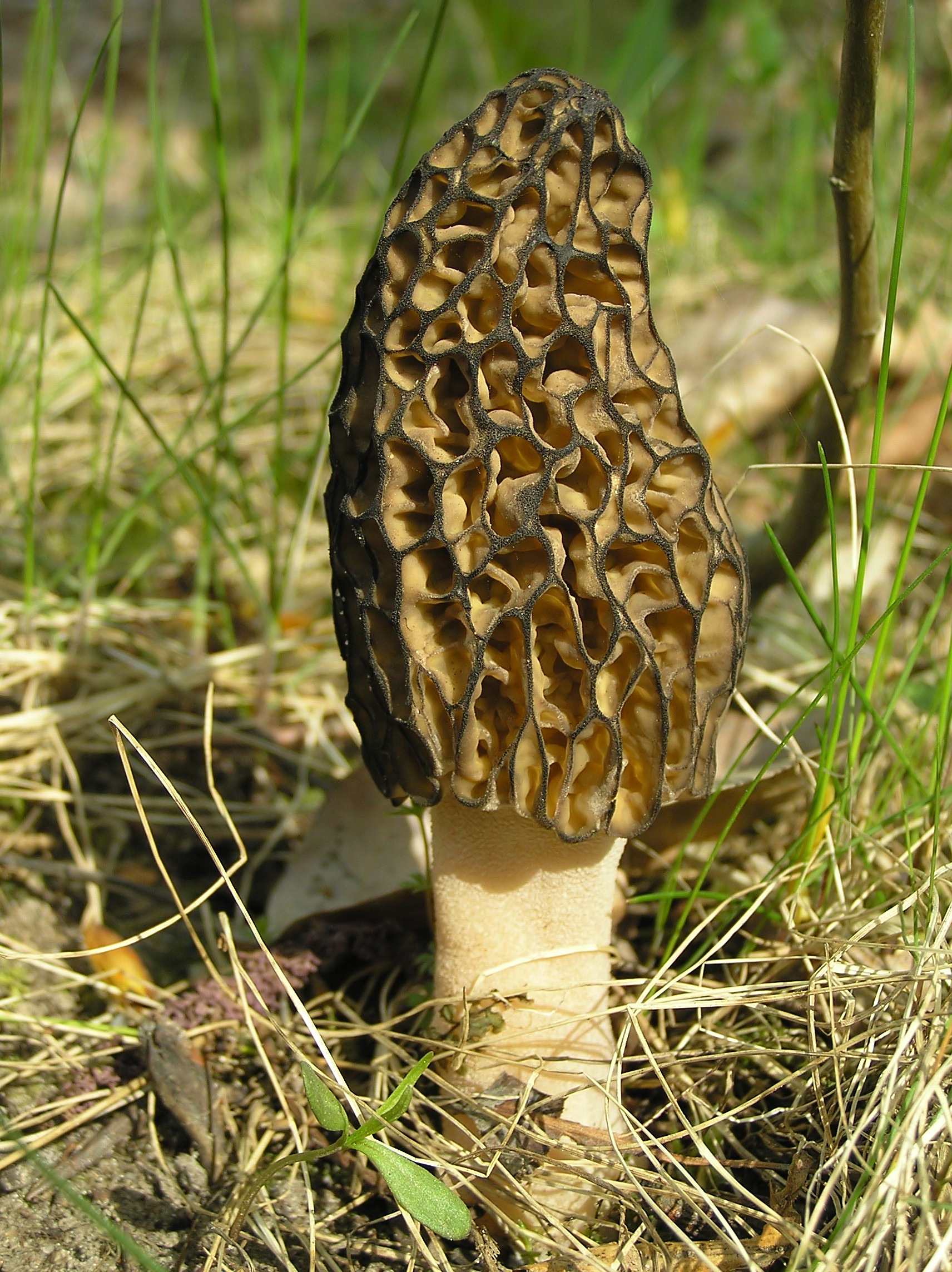
The Morchellaceae are a family of ascomycete fungi. According to a standard reference work, the family has contained at least 49 species distributed among 4 genera, but in 2012, 5 genera producing the sequestrate and hypogeous ascoma were added. The best-known members are the highly regarded and commercially picked true morels of the genus Morchella, the thimble morels of the genus Verpa, and a genus of cup-shaped fungi Disciotis. The remaining four genera produce the sequestrate fruit bodies. Analysis of the ribosomal DNA of many of the Pezizales showed the three genera Verpa, Morchella, and Disciotis to be closely related. Thus they are now included in the family Morchellaceae.

Bulgur (also bulghur, burghul or bulgar) is a cereal food made from several different wheat species, most often from durum wheat. In the United States it is most often made from white wheat. Its use is most common in Middle Eastern cuisine, Iran, Turkey, Greece, Armenia and Bulgaria. In India it is called Lapsi. [Wikipedia]


Flour is a powder which is made by grinding cereal grains, other seeds, or roots (like Cassava). It is the main ingredient of bread, which is a staple food for many cultures, making the availability of adequate supplies of flour a major economic and political issue at various times throughout history. Wheat flour is one of the most important foods in European, North American, Middle Eastern and North African cultures, and is the defining ingredient in most of their styles of breads and pastries. Maize flour has been important in Mesoamerican cuisine since ancient times, and remains a staple in much of Latin American cuisine. Rye flour is an important constituent of bread in much of central/northern Europe. [Wikipedia]

Pita or pitta is a round pocket bread widely consumed in many Middle Eastern, Mediterranean, and Balkan cuisines. It is prevalent in Greece, the Balkans the Levant, the Arabian Peninsula and Turkey. The "pocket" in pita bread is created by steam, which puffs up the dough. As the bread cools and flattens, a pocket is left in the middle. Pita is used to scoop sauces or dips such as hummus and to wrap kebabs, gyros or falafel in the manner of sandwiches. Much of pita's popularity in the Western world since the 1970s is due to expanded use of the pocket for a type of sandwich. Instead of using pita to scoop foods, people fill the pocket with various ingredients to form a sandwich. [Wikipedia]
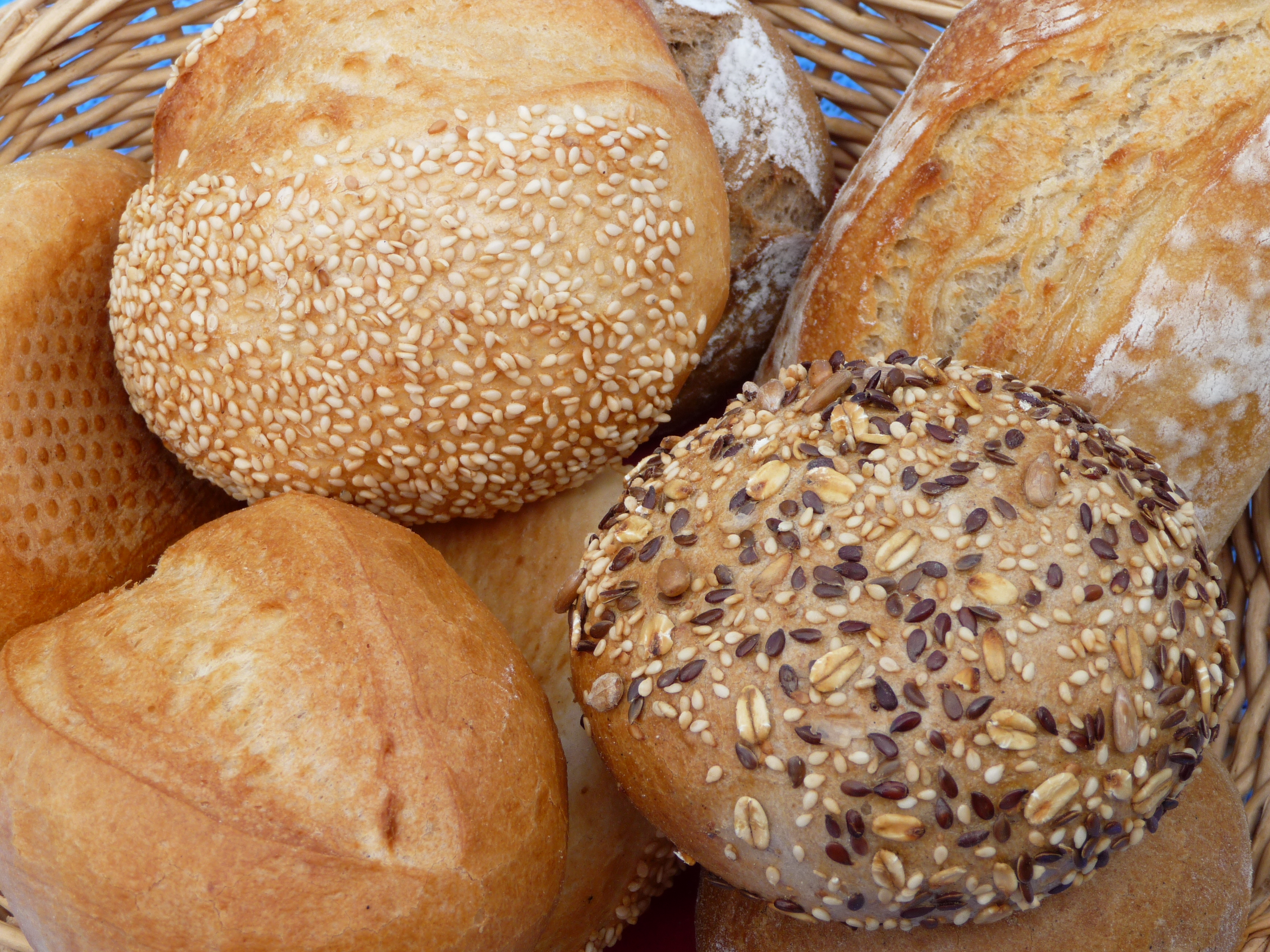
A bagel is a bread product, traditionally shaped by hand into the form of a ring from yeasted wheat dough, roughly hand-sized, which is first boiled for a short time in water and then baked. The result is a dense, chewy, doughy interior with a browned and sometimes crisp exterior. Bagels are often topped with seeds baked on the outer crust, with the traditional ones being poppy or sesame seeds. Some also may have salt sprinkled on their surface, and there are also a number of different dough types such as whole-grain or rye. [Wikipedia]

Piki (or piki bread) is a rolled bread made by the Hopi with nixtamalized corn meal. Blue corn and culinary ash give it a dark grayish-blue color. The light, thin sheets are dry to the point of brittleness and have a delicate corn flavor. It is considered the Hopi version of the tortilla. [Wikipedia]

Brown bread is a designation often given to breads made with significant amounts of whole grain flour, usually rye or wheat, and sometimes dark-coloured ingredients such as molasses or coffee. In Canada and the United Kingdom it simply refers to whole wheat bread, except in the Maritimes, where it implies a bread made with molasses.

Oat bread was first manufactured in Britain, where the first oat bread factory was established in 1899. In Scotland, they were, and still are, held in high esteem, as a mainstay of the national diet. (Wikipedia)

Potato bread is a form of bread in which potato replaces a portion of the regular wheat flour. It is cooked in a variety of methods, including by baking it on a hot griddle or pan, or in an oven. It may be leavened or unleavened, and may have a variety of other ingredients baked into it. The ratio of potato to wheat flour varies significantly from recipe to recipe, with some recipes having a majority of potato, and others having a majority of wheat flour. Some recipes call for mashed potatoes, with others calling for dehydrated potato flakes. It is available as a commercial product in many countries, with similar variations in ingredients, cooking method, and other variables. [Wikipedia]
Cornbread is a generic name for any number of quick breads containing cornmeal and leavened by baking powder. Cornbread is a popular item in soul food enjoyed by many people for its texture and scent. Cornbread can be baked, fried or, rarely, steamed. Steamed cornbreads are mushy, chewier and more like cornmeal pudding than what most consider to be traditional cornbread. Cornbread can also be baked into corn cakes. [Wikipedia]


Vaccinium virgatum, commonly called rabbiteye blueberry, samllflower blueberry or southern black blueberry, is a species of blueberry native to the Southeastern United States, from North Carolina south to Florida and west to Texas. Rabbiteye blueberry is a deciduous shrub that can grow to 3-6 feet tall and with up to a 3-foot spread. The leaves are red-bronze in the spring and then turn into a dark-green color. The fruits are dark blue to black. The rabbiteye blueberries are edible and are used to make jams, sauces for breads, muffins, etc. Research has shown that the rabbiteye blueberry was a good source of polyphenols, anthocyanins and flavonoids, their antioxidant activity is beneficial to human health (PMID: 23268789; PMID: 29682153) [Wikipedia]
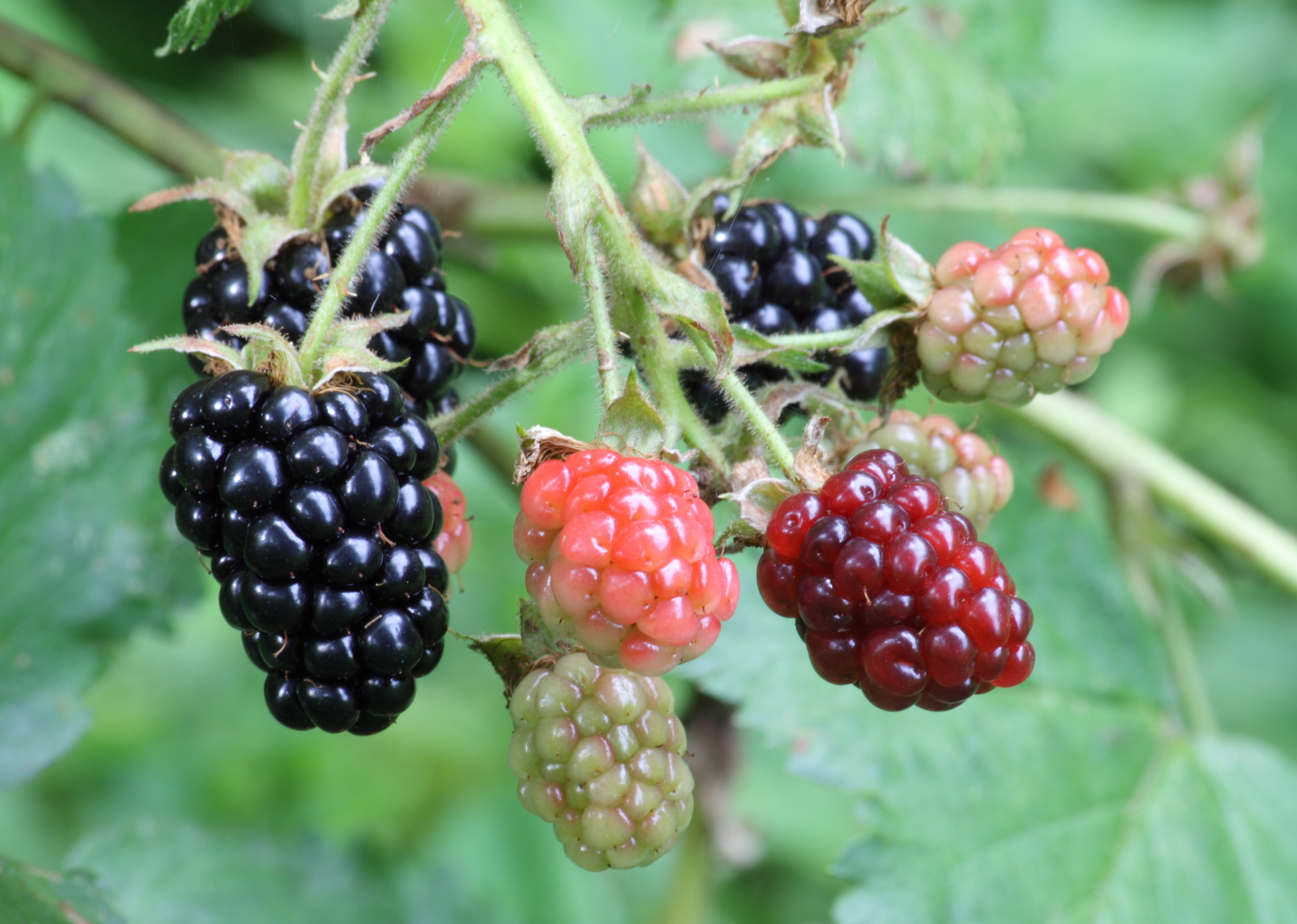
The blackberry is an edible fruit produced by many species in the genus Rubus in the family Rosaceae. Blackberry is a perennial plant that grows to 3-6 meter tall. The pale pink flowers are produced in late spring and early summer. The fruits are rich in vitamin C, anthocyanins, flavonols and ellagitannins (PMID: 22082199), they have shown the beneficial effects to human health (PMID: 22082199)
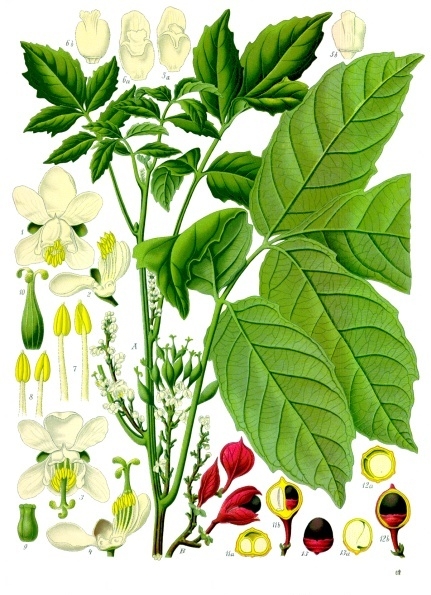
Guarana is a climbing plant in the family Sapindaceae, native to the Amazon basin and especially common in Brazil.Guarana has large leaves and clusters of flowers and is best known for the seeds from its fruit, which are about the size of a coffee bean.It contains about twice the concentration of caffeine found in coffee seeds. The additive has gained notoriety for being used in energy drinks.The colour of the fruit ranges from brown to red and it contains black seeds that are partly covered by white arils.

White mulberry trees that produce pure white fruit are rare. Typically, the fruits are white when immature, but gradually ripen to shades of pink or purple. They are a small variety, just a few centimeters long, and far sweeter than the black and red mulberries. They have a low acidity and a mild honey-like flavor. White mulberries are best when slightly overripe
Stachys affinis, commonly called crosne, chinese artichoke, japanese artichoke, knotroot, or artichoke betony, is a perennial herbaceous plant of the family Lamiaceae, originating from China. Its rhizome is a root vegetable that can be eaten raw, pickled, dried or cooked.

The jalapeño is a medium-sized chili pepper pod type cultivar of the species Capsicum annuum.Commonly picked and consumed while still green, it is occasionally allowed to fully ripen and turn red, orange, or yellow.

Clementine or easy peeler (British English) is a tangor, a citrus fruit hybrid between a willowleaf mandarin orange and a sweet orange named for its late 19th-century discoverer.The exterior is a deep orange colour with a smooth, glossy appearance.They are typically juicy and sweet, with less acid than oranges.Their oils, like other citrus fruits, contain mostly limonene as well as myrcene, linalool, α-pinene and many complex aromatics.

Green seedless grapes are small to medium in size and are round to slightly oval in shape, growing in tight or loose clusters depending on the variety. The skin ranges from yellow-green to bright green and is typically crisp, firm, and smooth. The flesh is pale green, semi-translucent, and seedless, though some seedless varieties may have a few underdeveloped seeds that are undetectable when consumed. Green seedless grapes are mild and sweet with a slightly tart flavor.

Red seedless grapes are small to medium in size and are round to slightly oblong in shape, growing in medium to large clusters. The hue of a Red seedless grape can vary widely depending on the variety and local growing conditions, but it usually ranges from a light red to a deep burgundy. The thin skin may also contain a dusty film, also known as a bloom, and this layer forms a natural waterproof barrier which prevents the delicate skin from cracking. The translucent flesh is juicy and is considered seedless, though a few small undetectable and undeveloped seeds may be present. Red seedless grapes are firm, crisp, and sweet with a mild, neutral flavor.
The Black Plum is oval and about 1 to 2 centimeters in length. It is dark purple to black in color, fleshy and one-seeded, with a tart, sweet-astringent taste.

Green cabbage has numerous pale green leaves that are thick and broad with prominent veins and a slightly waxy finish.They overlap to form a dense round to oblate ball and can measure 15 to 18 centimeters in diameter and may weigh up to 10 pounds each. The leaves are firm when raw and tender when cooked and it offers a sweet, grassy flavor.

serving and drinking customs of Arabic coffee

spice mix

soy-based food used as a protein source
fig cultivar

Fruit of Lycium barbarum

Round unleavened flatbread made of either nixtamlized corn or wheat
Fruit of Lycium barbarum

Food made from rice flour
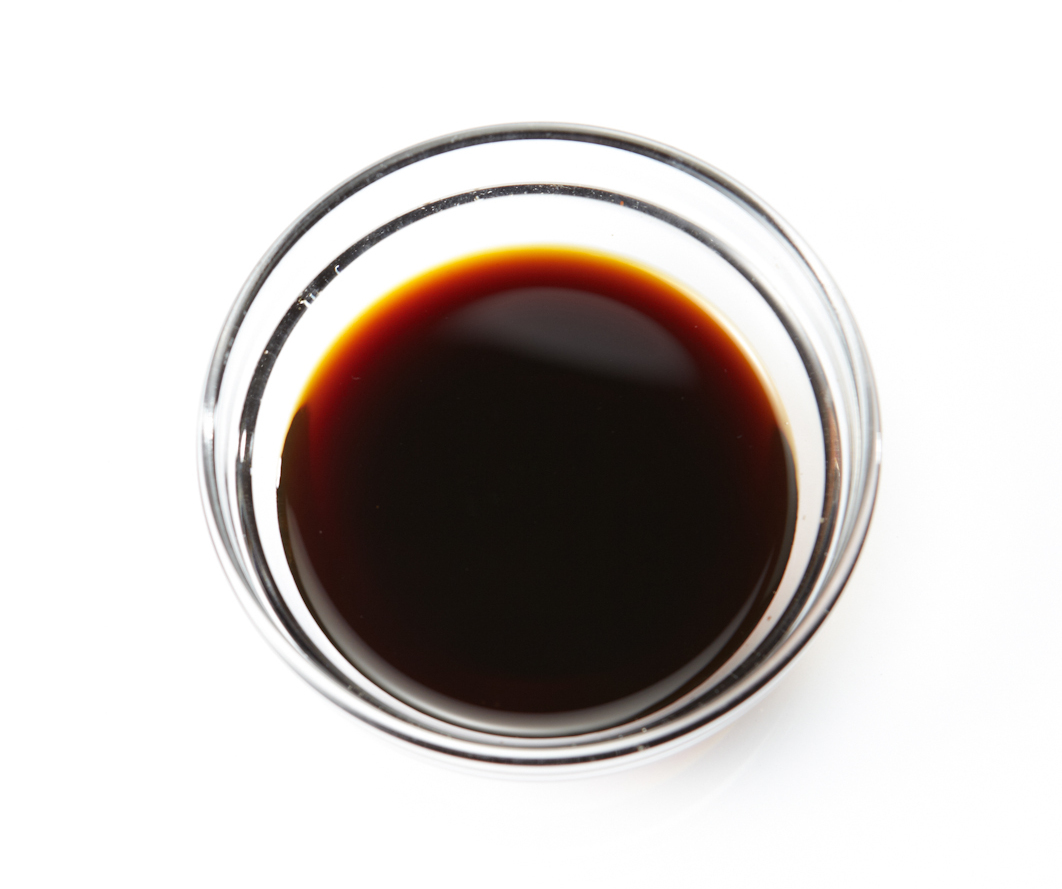
East Asian liquid condiment

Species of plant
Verified Data
Compound identity and culinary context are continuously cross-referenced across open scientific databases and maintained by Foodgeist's enrichment pipeline.
The Geist can be wrong. Some flavor, taste, and pairing values are model-predicted, not lab-measured.